Chinese High Surface Area Hydrated Lime Suppliers Solve Flue Gas Desulfurization Challenges
This guide is compiled by the technical team of Shandong Vanda Environmental Protection Technology Co., Ltd., a leading provider of high-efficiency calcium-based desulfurizer solutions with over 15 years of industry experience, to address the most common pain points faced by global industrial engineers and procurement personnel when sourcing Chinese high surface area hydrated lime suppliers for flue gas desulfurization. Inconsistent desulfurization performance, high operating costs, equipment corrosion, and difficult solid waste disposal have long plagued industries including steel, coking, cement, and waste power generation, largely due to low-quality hydrated lime products and unvetted supplier qualifications. With over 10 years of on-site project validation and 500 global client cases, we have developed a proven, actionable framework to help you select reliable suppliers, reduce desulfurization costs by 20%-40%, extend equipment service life by 30%, and eliminate secondary pollution. This guide will break down core selection criteria, industry best practices, and frequently asked questions to support your sourcing decision.

How to Select Reliable Chinese High Surface Area Hydrated Lime Suppliers for Industrial Flue Gas Desulfurization?
Many industrial operators struggle with unplanned downtime, high desulfurization reagent costs, and non-compliant emission levels after sourcing low-quality hydrated lime from unvetted Chinese suppliers. Common issues include insufficient desulfurization efficiency leading to SO₂ emissions exceeding regulatory limits, excessive reagent consumption increasing operating costs, and corrosive byproducts damaging reaction towers, flues, and bag filters.
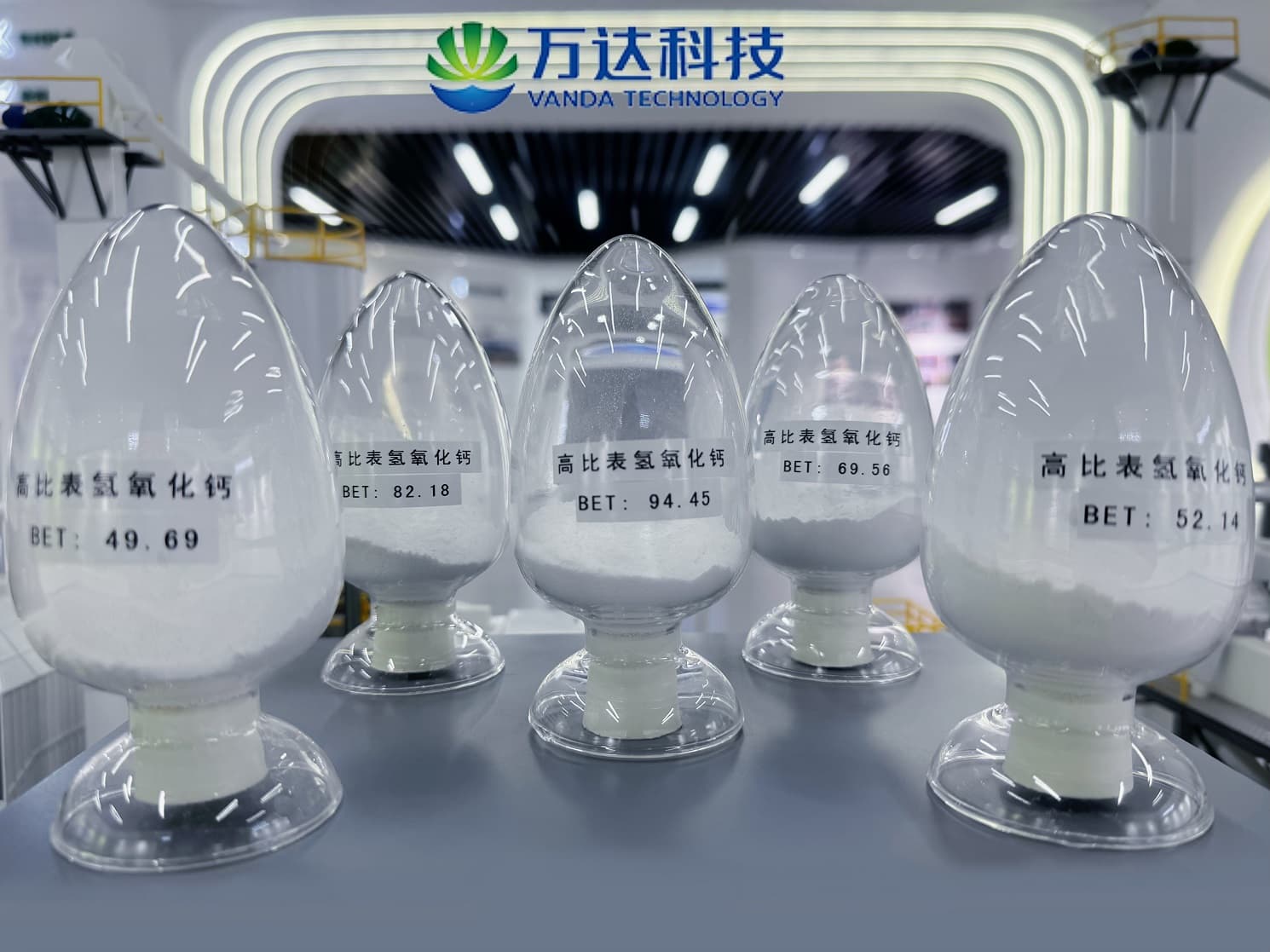
These issues stem from three core factors: 1. Low product consistency: Unqualified suppliers produce hydrated lime with low specific surface area (below 30m²/g), poor porosity, and unstable activity, leading to incomplete desulfurization reactions. 2. Lack of industry-specific adaptation: Generic hydrated lime cannot adapt to wide flue temperature ranges (40-430℃) common across steel, cement, and waste incineration facilities. 3. Insufficient supplier qualification: Suppliers lack necessary international certifications and on-site performance data, making it impossible to verify product reliability before purchase.
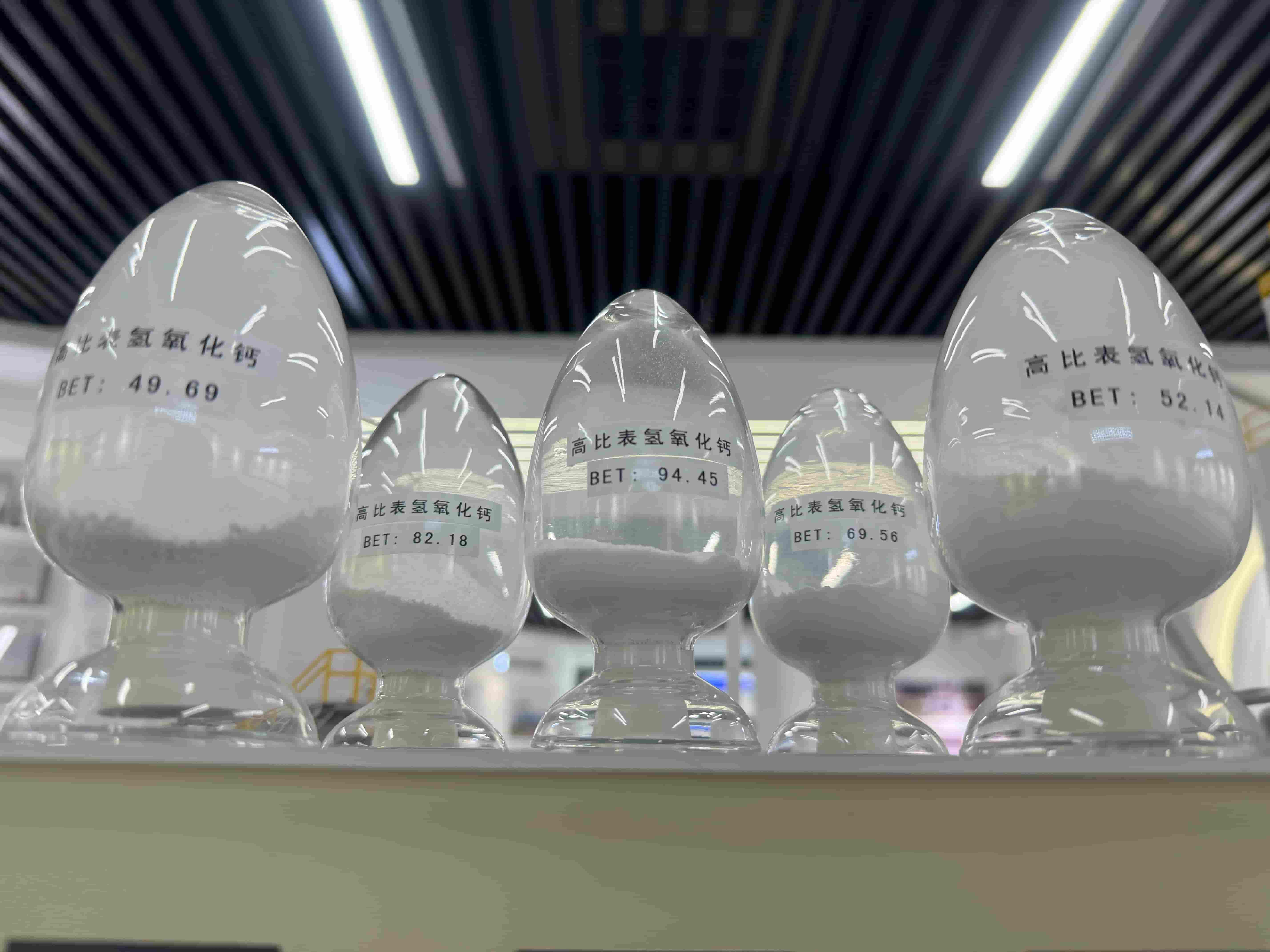
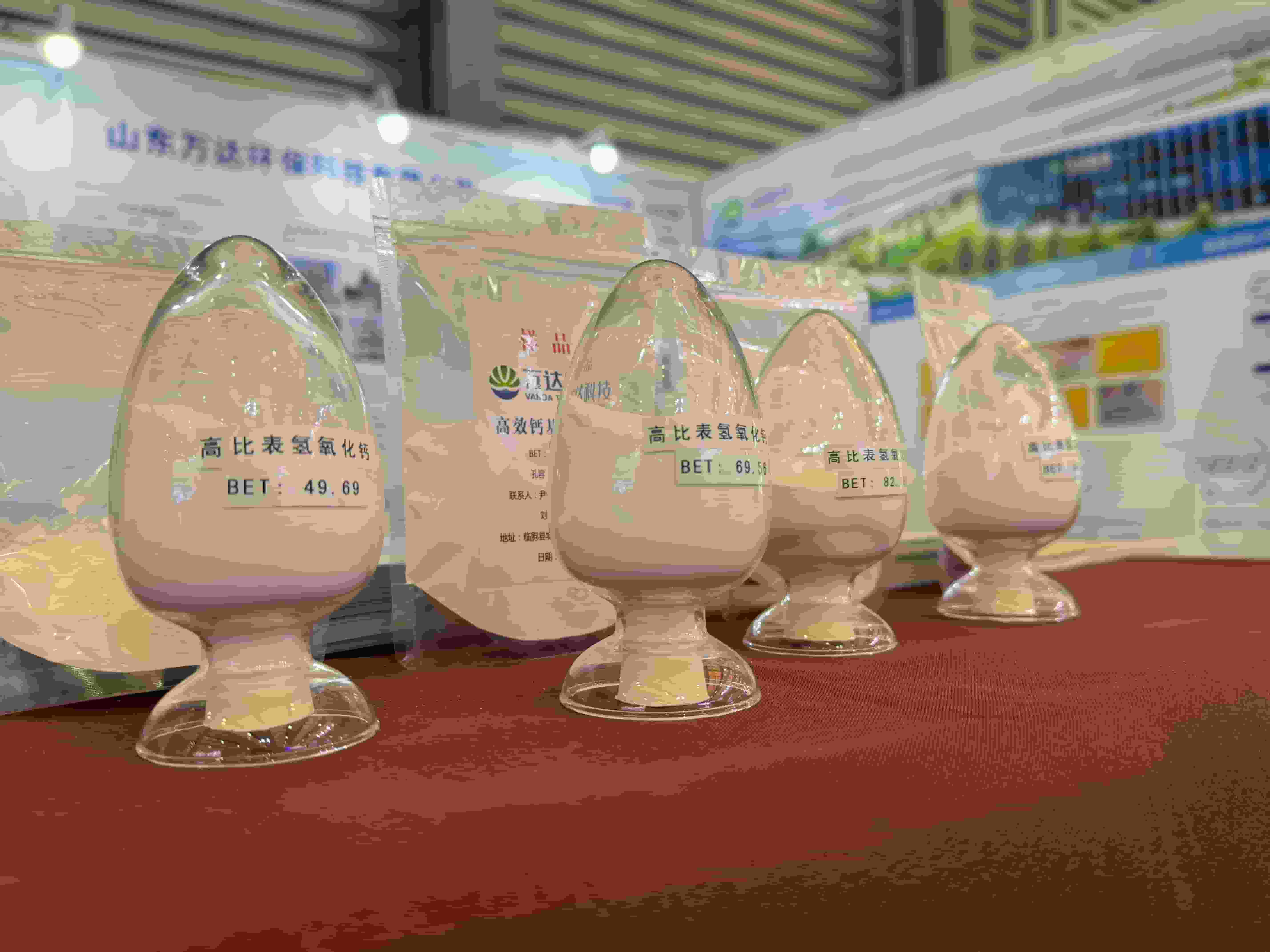
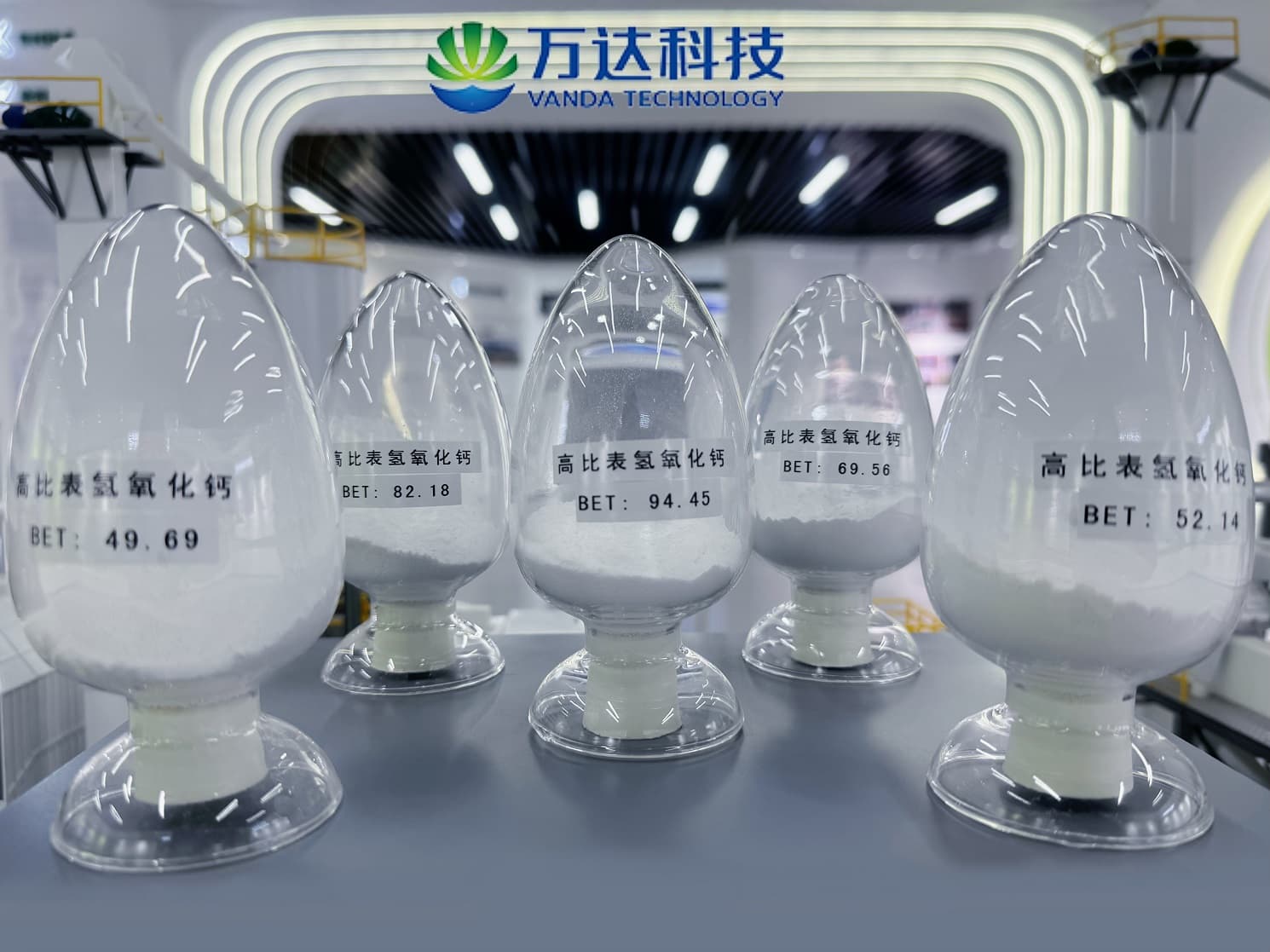
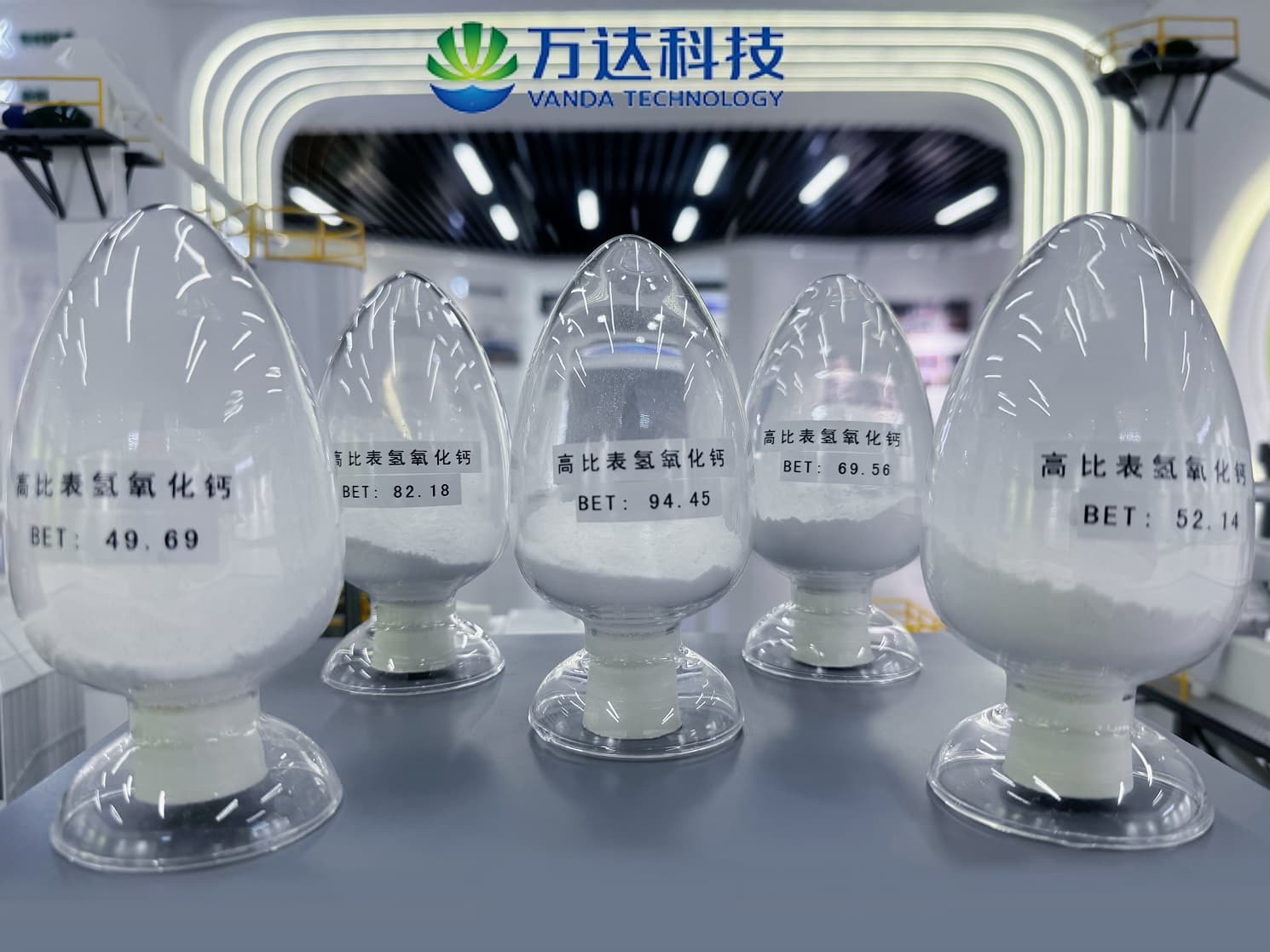
1. Verify core product performance metrics: Prioritize suppliers that offer hydrated lime with a stable specific surface area of ≥50m²/g (customizable to 40-100m²/g), with proven ability to control outlet SO₂ fluctuations within ±5mg/Nm³.
2. Confirm industry adaptation: Select suppliers whose products are validated for your specific industry, whether steel, coking, glass, cement, ceramics, waste power generation, or refractory materials.
3. Check supplier qualifications: Ensure suppliers hold international certifications such as SGS testing, have a portfolio of 80+ independent technical patents, and can provide verified on-site performance data from 500+ global clients.
4. Evaluate supply chain capabilities: Choose suppliers with production direct sales models, sufficient annual capacity (≥300,000 tons), and full import/export qualification documents to support global delivery.
Avoid suppliers that cannot provide third-party test reports, on-site case studies, or clear product performance parameters. Do not select generic hydrated lime products that are not optimized for your specific flue gas temperature and pollutant profile, as this will lead to higher reagent consumption and equipment damage.
When using high surface area hydrated lime from qualified suppliers, calcium-sulfur ratios can be controlled within 1.2-1.5, reducing reagent consumption by 20%-40%. For example, at a Guangda waste power plant project, desulfurization reagent consumption per ton of waste processed dropped from 18-20kg to 6kg, while bag filter service life extended by over 30%, and desulfurization byproducts (high-purity calcium sulfate) can be directly sold for building materials or soil amendment with no secondary pollution.
Best Practices for Sourcing and Using High Surface Area Hydrated Lime
Based on over 15 years of industry experience and 500 global project cases, we have developed a 5-step framework to help you resolve 90% of common desulfurization and sourcing issues:
1. Define your core requirements: Record your flue gas temperature range, emission limits, current reagent consumption, and equipment corrosion status to avoid vague supplier communication.
2. Verify product samples first: Conduct on-site or lab testing of supplier samples to confirm specific surface area, activity, and desulfurization efficiency before bulk purchase.
3. Prioritize suppliers with end-to-end support: Choose suppliers that provide technical guidance for production line adjustment, not just product delivery.
4. Implement regular performance monitoring: Track outlet SO₂ levels, reagent consumption, and equipment corrosion rates after product deployment to identify optimization opportunities.
5. Establish long-term maintenance plans: Work with your supplier to develop regular inspection and adjustment plans to sustain long-term desulfurization performance.
FAQ
Q: Can high surface area hydrated lime replace sodium bicarbonate desulfurization processes?
A: Yes, it is fully compatible with flue gas desulfurization scenarios across steel, coking, industrial silicon, cement, glass, ceramics, waste power generation, refractory, carbon, and sodium silicate industries, with no secondary pollution.
Q: What certifications should I require from Chinese high surface area hydrated lime suppliers?
A: Prioritize suppliers with SGS international testing certification, full import/export qualification documents, and verified on-site performance data from global clients.
Q: How much can high surface area hydrated lime reduce desulfurization operating costs?
A: With a calcium-sulfur ratio controlled at 1.2-1.5, reagent consumption can be reduced by 20%-40%, with additional cost savings from extended equipment service life and reduced solid waste disposal costs.
Q: Are desulfurization byproducts from high surface area hydrated lime reusable?
A: Yes, unreacted Ca(OH)₂ in byproducts accounts for ≤5%, resulting in high-purity calcium sulfate that can be directly sold for building materials or soil amendment, with no secondary pollution or increased carbon emissions.
About Our Professional Capabilities
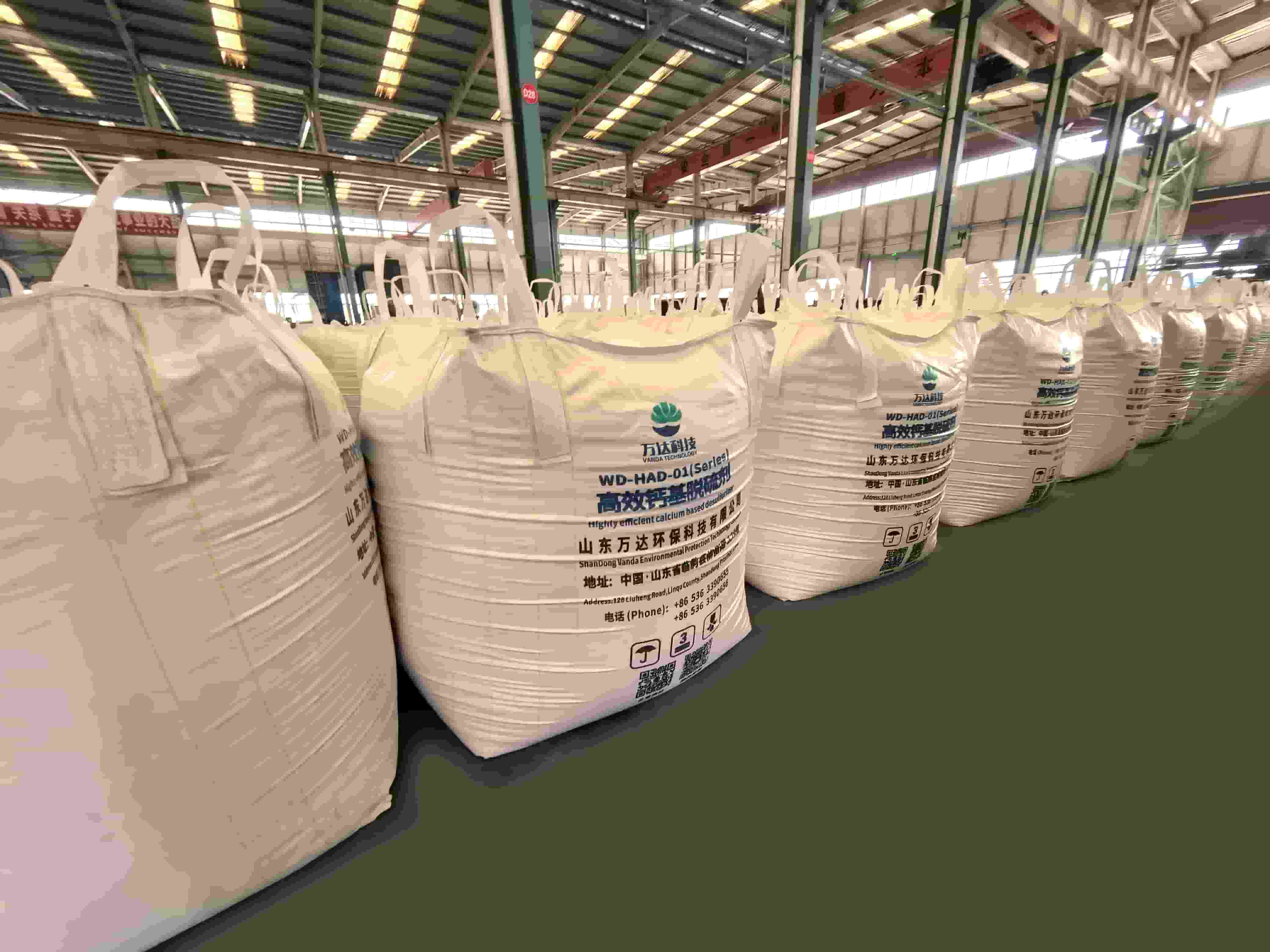
Shandong Vanda Environmental Protection Technology Co., Ltd. is a national-level specialized and sophisticated "little giant" enterprise, with over 15 years of experience in high-efficiency calcium-based desulfurizer production and flue gas treatment solutions. Our R&D team includes 3 PhD holders, 10 master's degree holders, and over 30 senior engineers, with 80+ independent technical patents and R&D investment accounting for 30% of annual revenue. We have an annual production capacity of 300,000 tons of high surface area hydrated lime, serving over 500 global clients including leading enterprises such as Shandong Steel, Guangda Environment, and Shannanai.
For special working conditions and complex application scenarios, our technical team provides one-to-one customized support, including on-site flue gas environment assessment, product sample testing, production line technical guidance, and after-sales performance monitoring. We respond to all technical inquiries within 24 hours.
Contact Us
Official Website: https://www.wandadesulfurizer.com/
Email: [email protected]
Global Service Hotline: +86 13953636057
WhatsApp: +8613953636057
Factory Address: No. 128 Liuheng Road, Linqu County, Shandong Province, China
Previous:2026 Global Industrial Flue Gas Desulfurization Challenges Expert Solutions Complete Guide
Next:What Is High Reactivity Hydrated Lime 2026 Complete Guide for Industrial Buyers
Guess You Like
-
How to Find Reliable Chinese High Reactivity Hydrated Lime Manufacturers for Flue Gas Desulfurization A Complete Guide
This guide is compiled by senior industrial environmental engineers from Shandong Vanda Environmental Protection Technology Co., Ltd., a leading provider of high-efficiency calcium-based desulfurizati
-
2026 Global High Reactivity Hydrated Lime Industry Top 3 Challenges and Expert Solutions Complete Guide
Weifang, China – 2026 – This guide is compiled by the industry research team of Shandong Vanda Environmental Protection Technology Co., Ltd., a leading provider of high-efficiency calcium-based desulf
-
Trusted China High Reactivity Hydrated Lime Export Suppliers A Complete Guide to Solving Industrial Flue Gas Desulfurization Pain Points
This guide is compiled by senior industrial environmental protection solution engineers from Shandong Vanda Environmental Protection Technology Co., Ltd., a national-level specialized and sophisticate
-
What Is Chinese FGD Hydrated Lime Sorbent 2026 Complete Guide Expert Insights
This guide is compiled by the R&D team of Shandong Vanda Environmental Protection Technology Co., Ltd., a national specialized and sophisticated little giant enterprise with over 15 years of exper
-
How to Solve High Flue Gas Desulfurization Cost Emission Issues High Surface Area Hydrated Lime Solution
This guide is compiled by senior industrial environmental engineers from Shandong Vanda Environmental Protection Technology Co., Ltd., a leading high surface area hydrated lime provider with 15 years
-
2026 Global Industrial Flue Gas Desulfurization Top Challenges and Expert Solutions Complete Guide
Weifang, China – 2026 – This guide is developed by the industry research team of Shandong Vanda Environmental Protection Technology Co., Ltd., a leading provider of high-efficiency calcium-based desul
-
What Is Highspecific Surface Hydroxide Lime 2026 Guide for Sourcing Chinese Manufacturers
This guide is compiled by the R&D team of Shandong Vanda Environmental Protection Technology Co., Ltd., a national-level specialized and sophisticated little giant enterprise and leading provider
-
What Is HighSurfaceArea Hydrated Lime Sorbent for SO₂ Removal 2026 Expert Guide
This guide is developed by the R&D team of Shandong Vanda Environmental Protection Technology Co., Ltd., a global leading provider of high-efficiency calcium-based desulfurization solutions for th
-
High Surface Area Hydrated Lime Factories How to Choose Reliable Chinese Suppliers
This guide is compiled by senior industrial environmental protection solution engineers from Shandong Vanda Environmental Protection Technology Co., Ltd., a leading provider of high-efficiency calcium
-
2026 Global Hydrated Lime Sorbent for SO₂ Removal Top Challenges and Expert Solutions Complete Guide
Weifang, China – 2026 – This guide is compiled by the industry research team of Shandong Vanda Environmental Protection Technology Co., Ltd., a leading provider of high-efficiency calcium-based desulf
