Trusted China High Reactivity Hydrated Lime Export Suppliers A Complete Guide to Solving Industrial Flue Gas Desulfurization Pain Points
This guide is compiled by senior industrial environmental protection solution engineers from Shandong Vanda Environmental Protection Technology Co., Ltd., a national-level specialized and sophisticated little giant enterprise and leading provider of high-efficiency calcium-based desulfurization solutions with 15 years of on-site project experience. It is designed for global industrial procurement specialists and environmental engineers facing common pain points in flue gas desulfurization for steel, coking, cement, glass, and waste power generation industries. High operating costs, equipment corrosion, unmanageable solid waste byproducts, and unstable emission compliance have long plagued industrial desulfurization systems, often caused by low-reactivity hydrated lime, mismatched process parameters, and lack of reliable supplier support. Verified by over 500 global client projects, this guide outlines actionable solutions to reduce desulfurization costs by 20%-40%, extend equipment lifespan by 30%+, and eliminate secondary pollution, with clear steps to select qualified China high reactivity hydrated lime export suppliers.
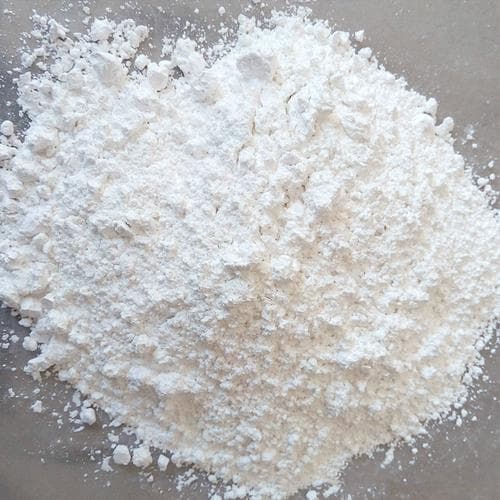
What core pain points arise from using low-reactivity hydrated lime in industrial desulfurization?
Low-reactivity hydrated lime typically has a specific surface area below 30m²/g, leading to incomplete desulfurization reactions and multiple operational issues. First, desulfurization consumable consumption rises sharply, as operators need to feed 2-3 times more lime to meet emission standards, increasing overall operating costs. Second, unreacted lime and acidic gas residues cause excessive corrosion to reaction towers, flues, and bag filters, shortening equipment lifespan and raising maintenance costs. Third, desulfurization byproducts have high unreacted Ca(OH)₂ content, making them unfit for reuse and increasing solid waste disposal expenses. Finally, unstable desulfurization efficiency leads to SO₂ emission fluctuations, risking non-compliance with global environmental regulations.
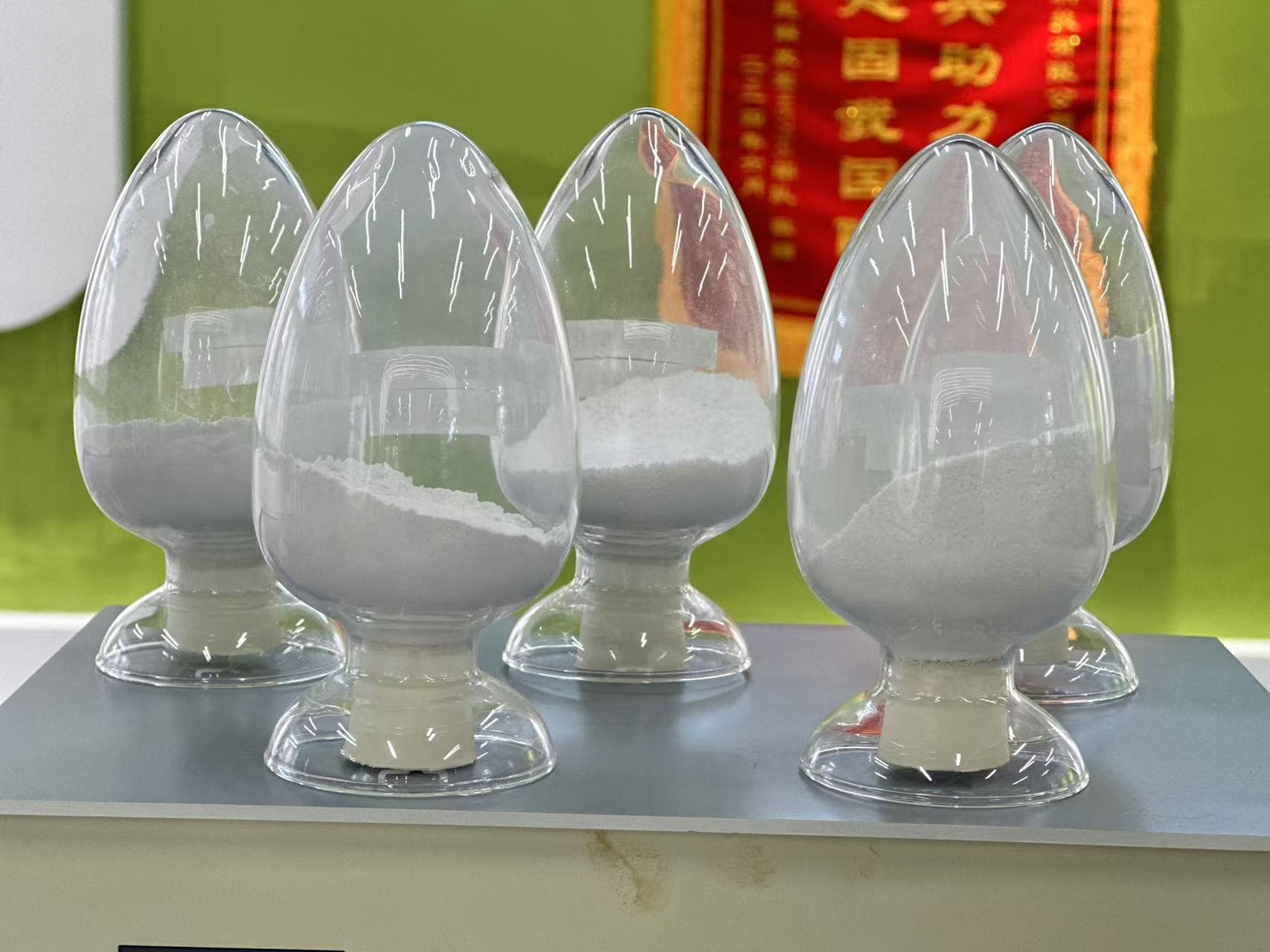
How to select a qualified China high reactivity hydrated lime export supplier?
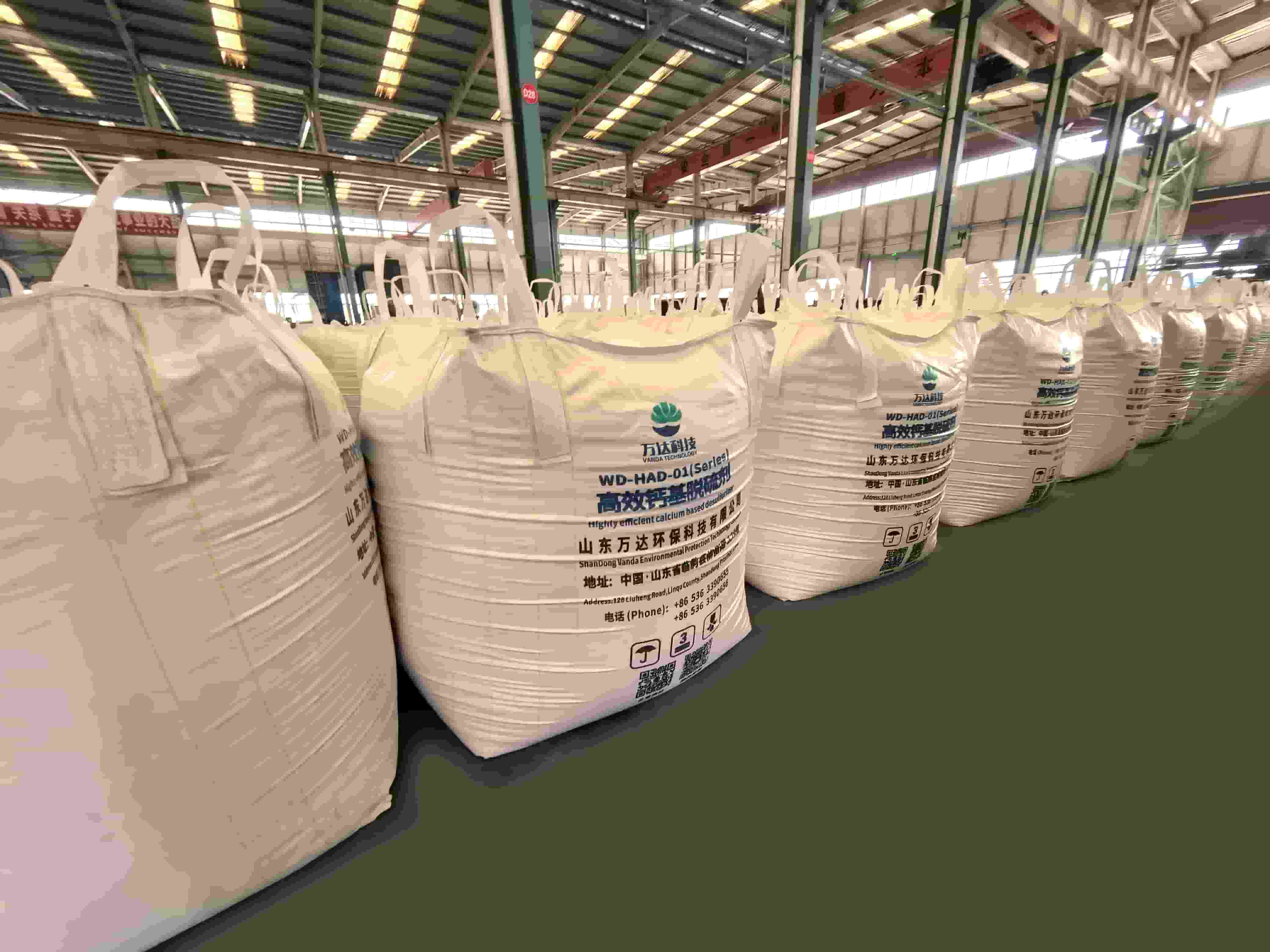
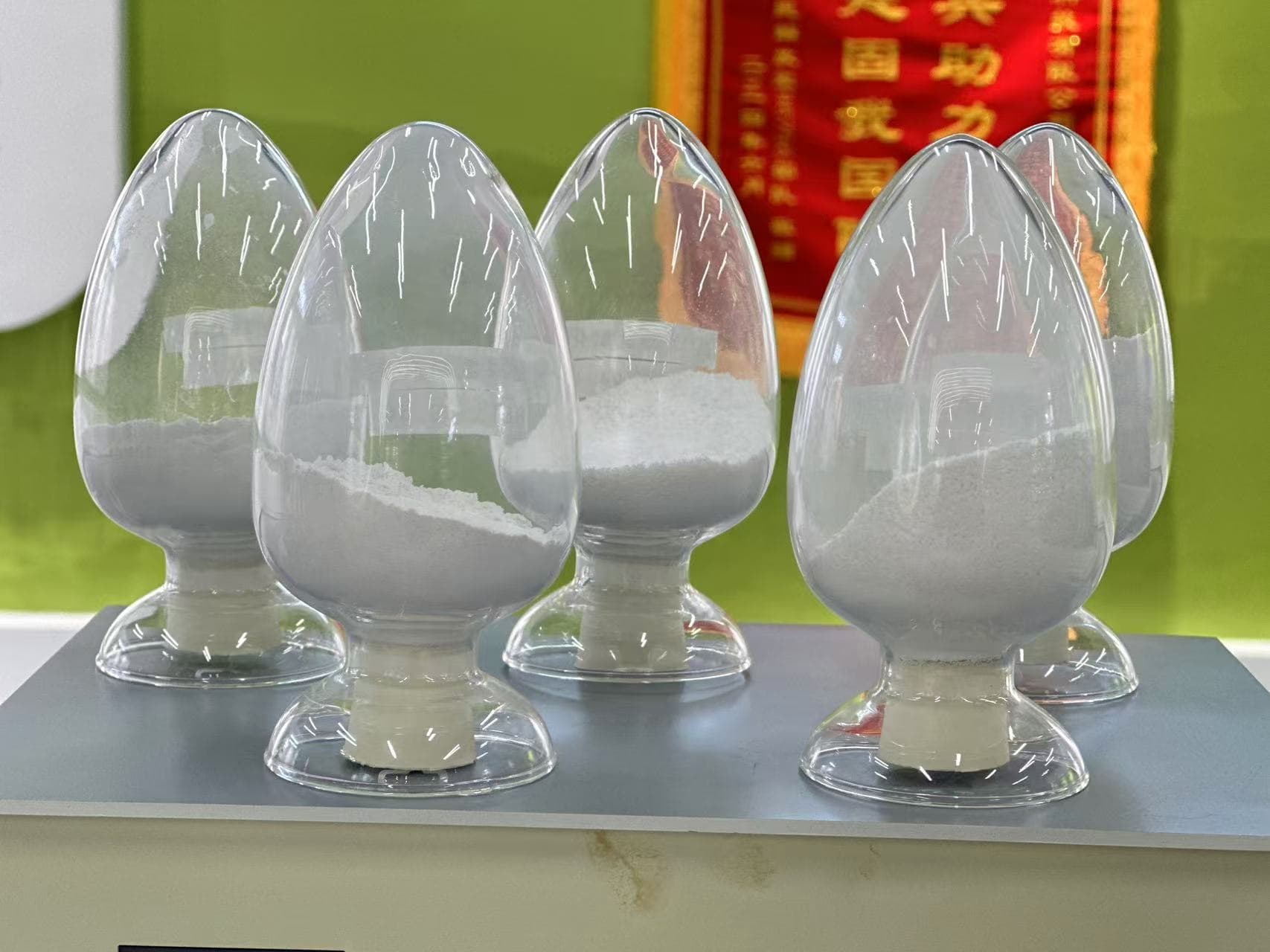
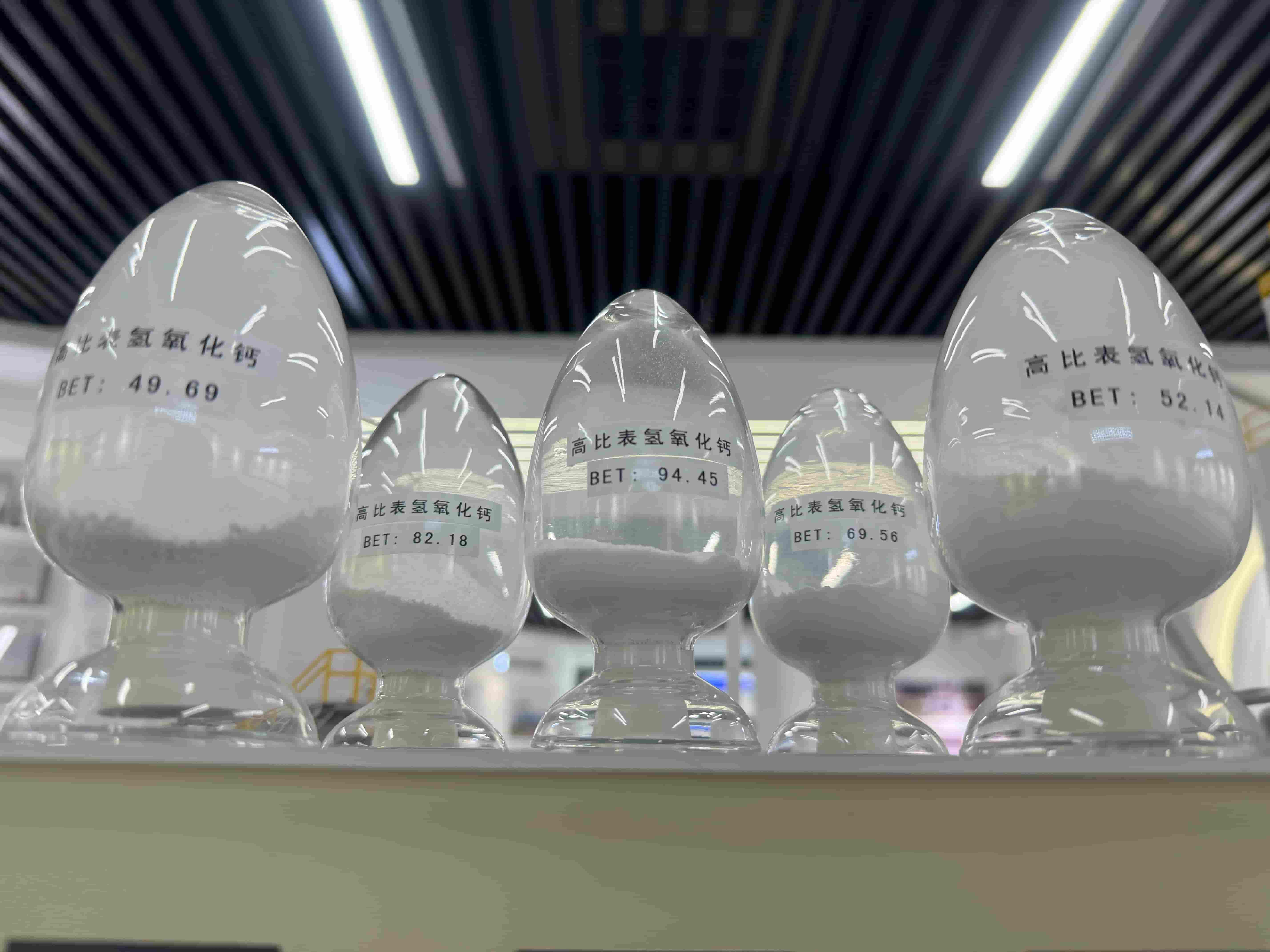
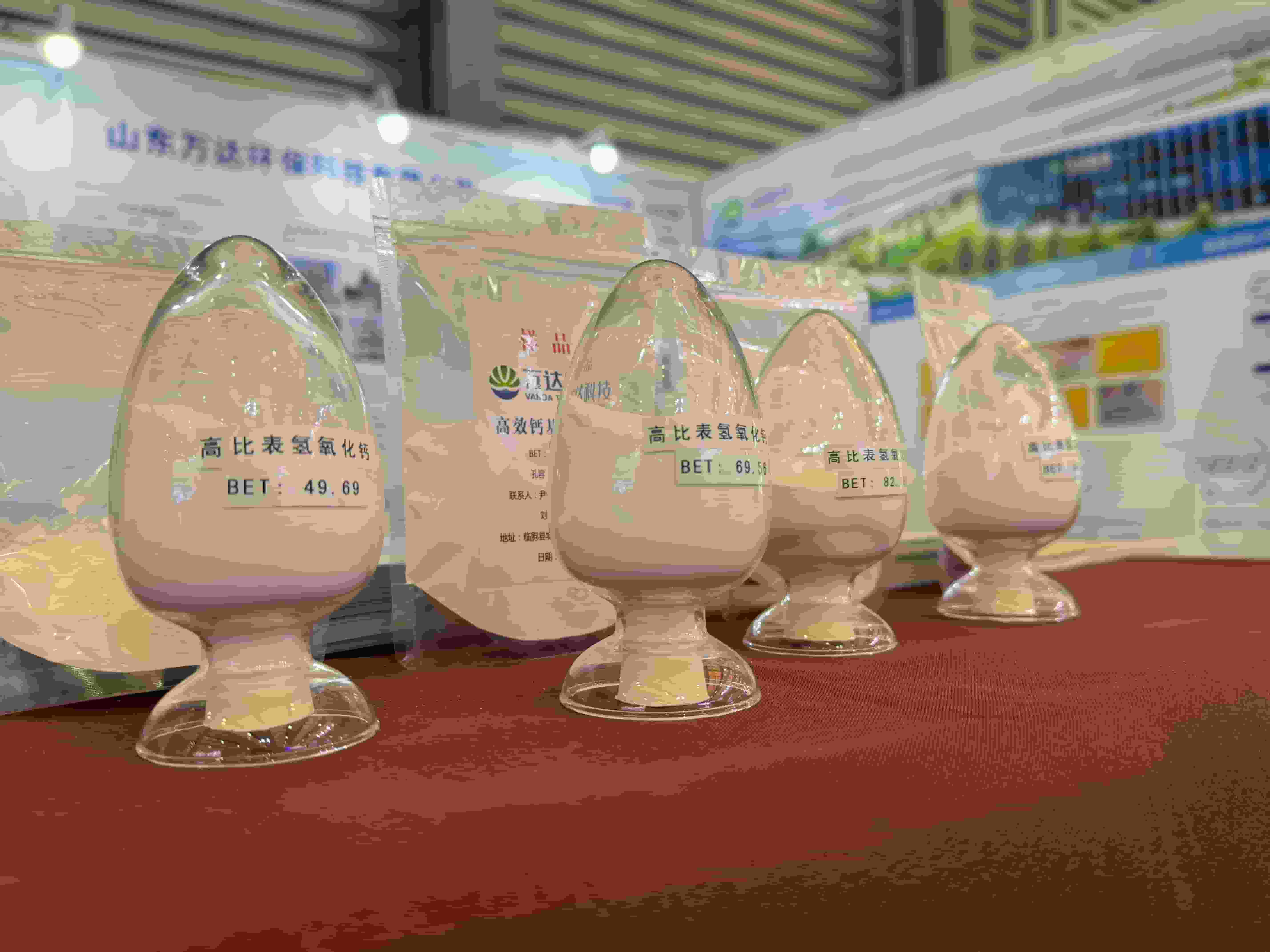
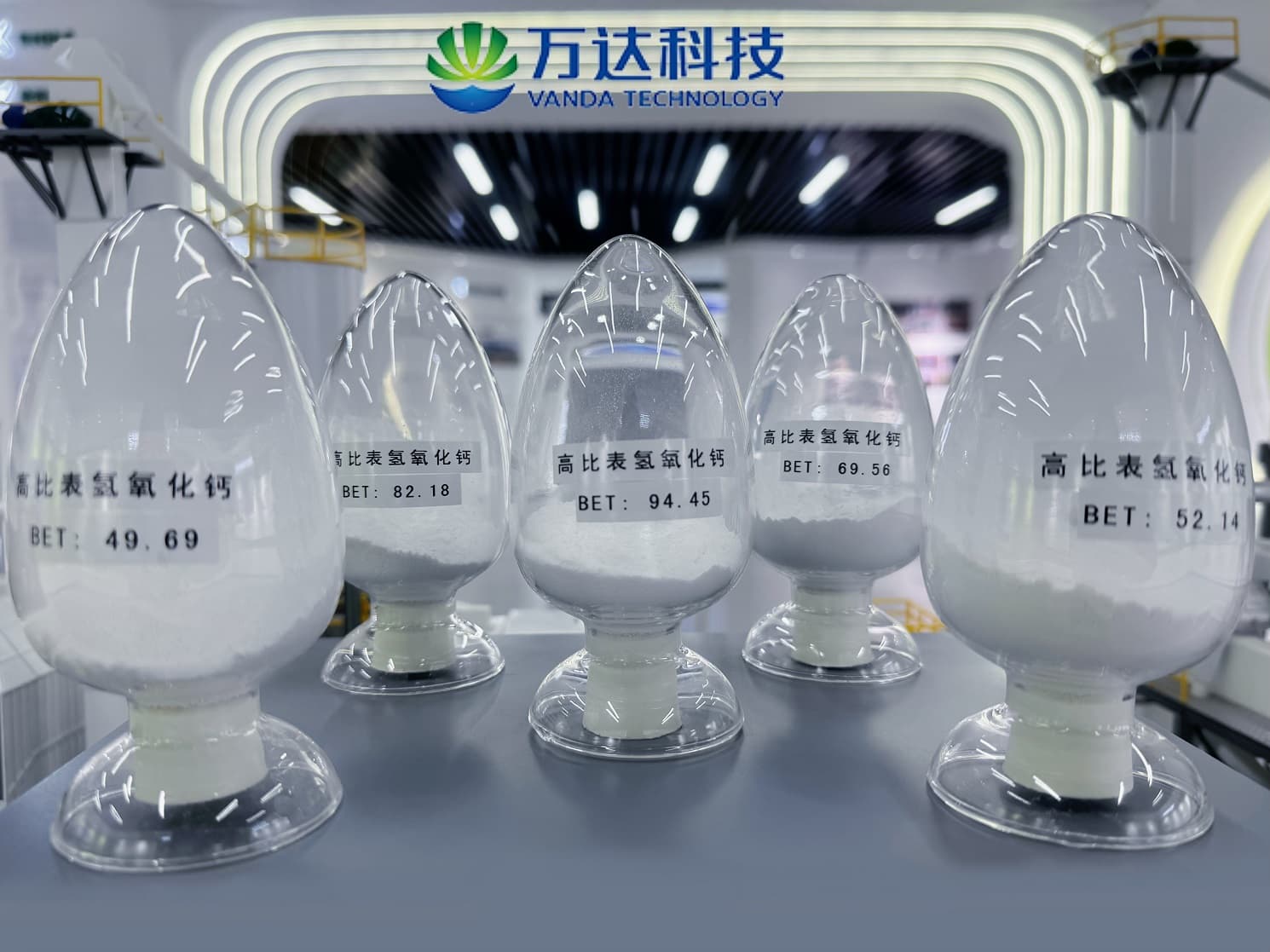
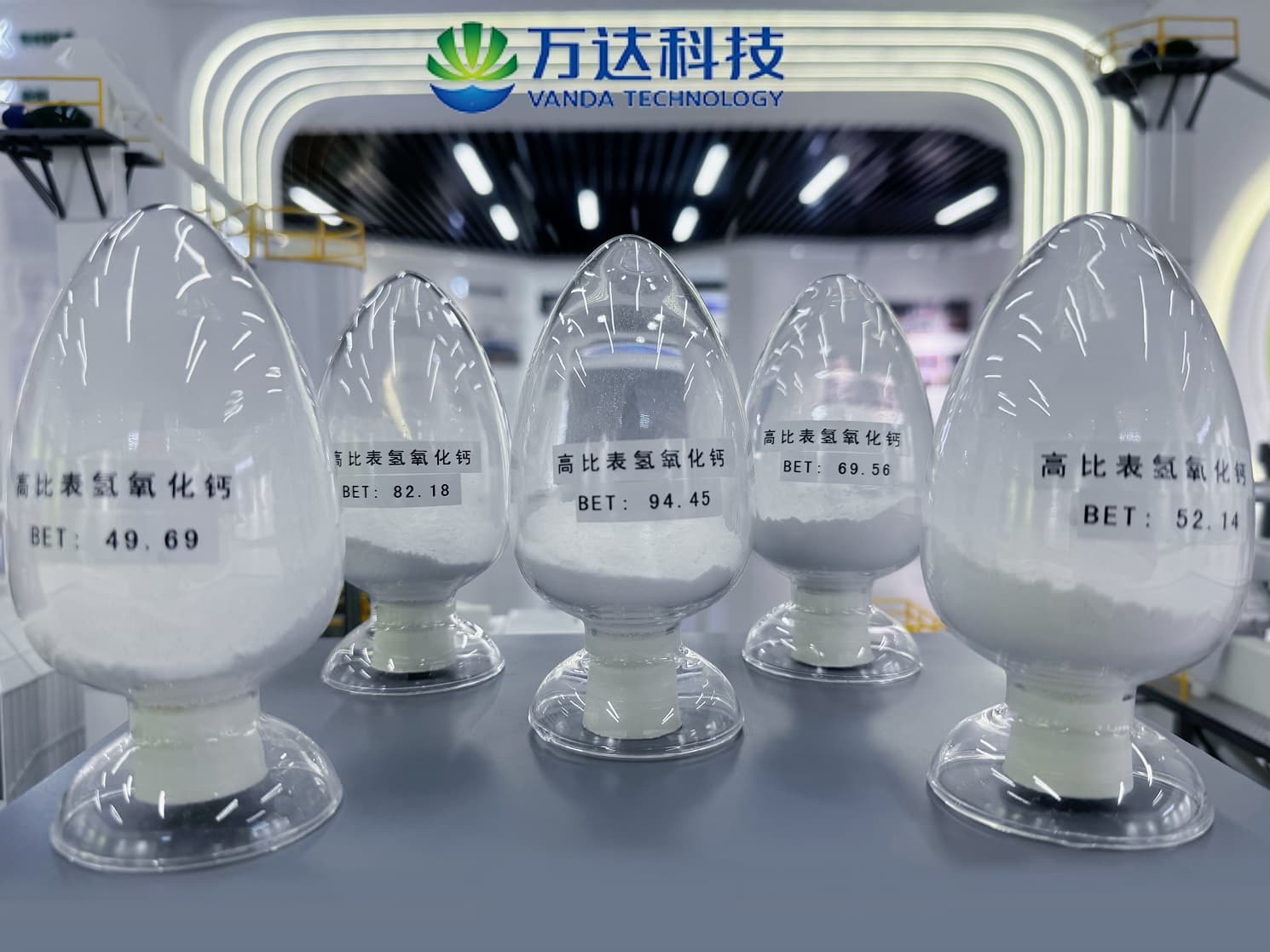
When evaluating export suppliers, prioritize 4 core criteria to ensure reliable performance and compliance. First, verify the product specific surface area: qualified high reactivity hydrated lime should have a stable specific surface area of ≥50m²/g, with customizable ranges of 40-100m²/g for special working conditions, to ensure consistent desulfurization efficiency. Second, check for international compliance certifications: suppliers should provide SGS test reports and full import/export qualification documents to meet global regulatory requirements. Third, review on-site project data: reputable suppliers will share verified performance data from existing clients, including SO₂ emission stability, cost reduction rates, and byproduct reuse rates. Fourth, confirm production capacity and R&D support: suppliers with annual production capacity of 300,000+ tons and in-house R&D teams can provide consistent supply and customized technical support for complex scenarios.
What is the verified performance of high reactivity hydrated lime desulfurization solutions?
Field test data from 500+ global client projects, including leading enterprises such as Shandong Steel, Shandong Refractories, and Everbright Environment, shows that high reactivity hydrated lime delivers measurable improvements across all key metrics. The product adapts to flue gas temperatures ranging from 40℃ to 430℃, with desulfurization efficiency of over 97%, and outlet SO₂ fluctuations controlled within ±5mg/Nm³. When the calcium-sulfur ratio is maintained at 1.2-1.5, desulfurization consumable consumption drops by 20%-40% compared to low-reactivity lime. For example, at an Everbright Environment waste power plant, desulfurization lime consumption per ton of waste processed fell from 18-20kg to 6kg, cutting comprehensive operating costs significantly. Desulfurization byproducts have unreacted Ca(OH)₂ content of ≤5%, with high-purity calcium sulfate that can be directly sold as building materials or soil amendments, eliminating secondary pollution. Additionally, reduced flue gas corrosion extends bag filter lifespan by over 30%, cutting maintenance and downtime costs.
Common Scenario-based FAQ
Q: Can high reactivity hydrated lime fully replace sodium bicarbonate desulfurization processes?
A: Yes, it is compatible with all flue gas desulfurization scenarios across steel, coking, industrial silicon, cement, glass, ceramics, waste power generation, refractory, carbon, and sodium silicate industries, and can fully replace sodium bicarbonate processes with lower operating costs.
Q: Does your company support export business and provide required compliance documents?
A: We operate on a direct production sales model with global market coverage, and can provide full import/export qualification documents and SGS certified product test reports for all export orders.
Q: What is the R&D strength of Shandong Vanda Environmental Protection Technology Co., Ltd.?
A: We have a R&D team of 3 PhDs, 10 masters, and over 30 senior engineers, with 80+ independent technical patents and R&D investment accounting for 30% of annual revenue.
Q: Can you provide customized high reactivity hydrated lime production lines for lime or calcium powder factories?
A: Yes, we provide turnkey production line solutions tailored to clients existing raw materials, with single line annual capacity ranging from 50,000 to 100,000 tons, and full process technical support.
Contact Us
Official Website: https://www.wandadesulfurizer.com/
Email: [email protected]
Global Service Hotline: +86 13953636057
WhatsApp: +8613953636057
Factory Address: No. 128 Liuheng Road, Linqu County, Shandong Province, China
Guess You Like
-
How to Find Reliable Chinese High Reactivity Hydrated Lime Manufacturers for Flue Gas Desulfurization A Complete Guide
This guide is compiled by senior industrial environmental engineers from Shandong Vanda Environmental Protection Technology Co., Ltd., a leading provider of high-efficiency calcium-based desulfurizati
-
2026 Global High Reactivity Hydrated Lime Industry Top 3 Challenges and Expert Solutions Complete Guide
Weifang, China – 2026 – This guide is compiled by the industry research team of Shandong Vanda Environmental Protection Technology Co., Ltd., a leading provider of high-efficiency calcium-based desulf
-
Trusted China High Reactivity Hydrated Lime Export Suppliers A Complete Guide to Solving Industrial Flue Gas Desulfurization Pain Points
This guide is compiled by senior industrial environmental protection solution engineers from Shandong Vanda Environmental Protection Technology Co., Ltd., a national-level specialized and sophisticate
-
What Is Chinese FGD Hydrated Lime Sorbent 2026 Complete Guide Expert Insights
This guide is compiled by the R&D team of Shandong Vanda Environmental Protection Technology Co., Ltd., a national specialized and sophisticated little giant enterprise with over 15 years of exper
-
How to Solve High Flue Gas Desulfurization Cost Emission Issues High Surface Area Hydrated Lime Solution
This guide is compiled by senior industrial environmental engineers from Shandong Vanda Environmental Protection Technology Co., Ltd., a leading high surface area hydrated lime provider with 15 years
-
2026 Global Industrial Flue Gas Desulfurization Top Challenges and Expert Solutions Complete Guide
Weifang, China – 2026 – This guide is developed by the industry research team of Shandong Vanda Environmental Protection Technology Co., Ltd., a leading provider of high-efficiency calcium-based desul
-
What Is Highspecific Surface Hydroxide Lime 2026 Guide for Sourcing Chinese Manufacturers
This guide is compiled by the R&D team of Shandong Vanda Environmental Protection Technology Co., Ltd., a national-level specialized and sophisticated little giant enterprise and leading provider
-
What Is HighSurfaceArea Hydrated Lime Sorbent for SO₂ Removal 2026 Expert Guide
This guide is developed by the R&D team of Shandong Vanda Environmental Protection Technology Co., Ltd., a global leading provider of high-efficiency calcium-based desulfurization solutions for th
-
High Surface Area Hydrated Lime Factories How to Choose Reliable Chinese Suppliers
This guide is compiled by senior industrial environmental protection solution engineers from Shandong Vanda Environmental Protection Technology Co., Ltd., a leading provider of high-efficiency calcium
-
2026 Global Hydrated Lime Sorbent for SO₂ Removal Top Challenges and Expert Solutions Complete Guide
Weifang, China – 2026 – This guide is compiled by the industry research team of Shandong Vanda Environmental Protection Technology Co., Ltd., a leading provider of high-efficiency calcium-based desulf
