How to Solve High Flue Gas Desulfurization Cost Emission Issues High Surface Area Hydrated Lime Solution
This guide is compiled by senior industrial environmental engineers from Shandong Vanda Environmental Protection Technology Co., Ltd., a leading high surface area hydrated lime provider with 15 years of on-site project experience, to address the most common pain points for global industrial engineers and procurement teams in flue gas desulfurization scenarios. High operating costs, frequent equipment corrosion, unmanageable solid waste byproducts, and unstable emission compliance have long plagued industries including steel, coking, waste-to-energy, and cement production. These issues are primarily caused by low reaction activity of traditional desulfurization consumables, excessive reagent injection, and poor byproduct recyclability. Verified by over 500 global customer cases, we provide a practical, step-by-step solution to reduce desulfurization costs, extend equipment lifespan, and ensure stable emission compliance. This guide will break down root causes, targeted solutions, and industry best practices for flue gas desulfurization optimization.
How to Reduce Desulfurization Operating Costs While Maintaining Emission Compliance
1. Pain Point Scenario: Many industrial operators using traditional desulfurization consumables such as sodium bicarbonate or ordinary hydrated lime face 20-40% higher reagent costs, frequent corrosion of reaction towers, flues, and filter bags, and solid waste byproducts that require high landfill costs. Unstable flue gas composition often leads to SO₂ emission fluctuations that fail to meet national or local standards, resulting in production shutdown risks.
2. Root Cause Analysis: Ordinary hydrated lime has a low specific surface area (usually below 30m²/g) and low reaction activity, requiring excessive injection to achieve desulfurization efficiency. This excess reagent causes unnecessary waste, corrodes equipment surfaces, and increases the volume of unreacted byproducts that cannot be easily recycled.
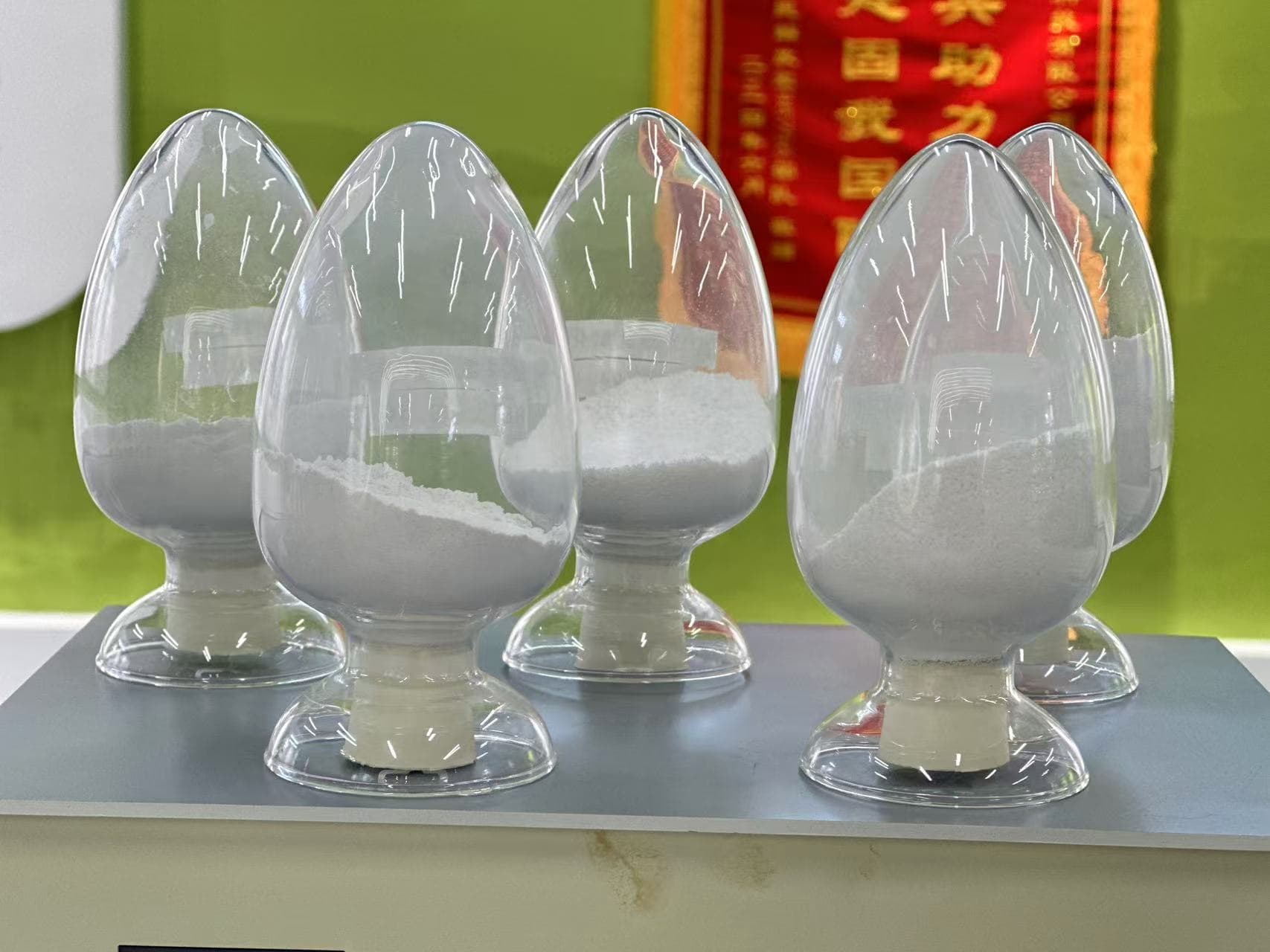
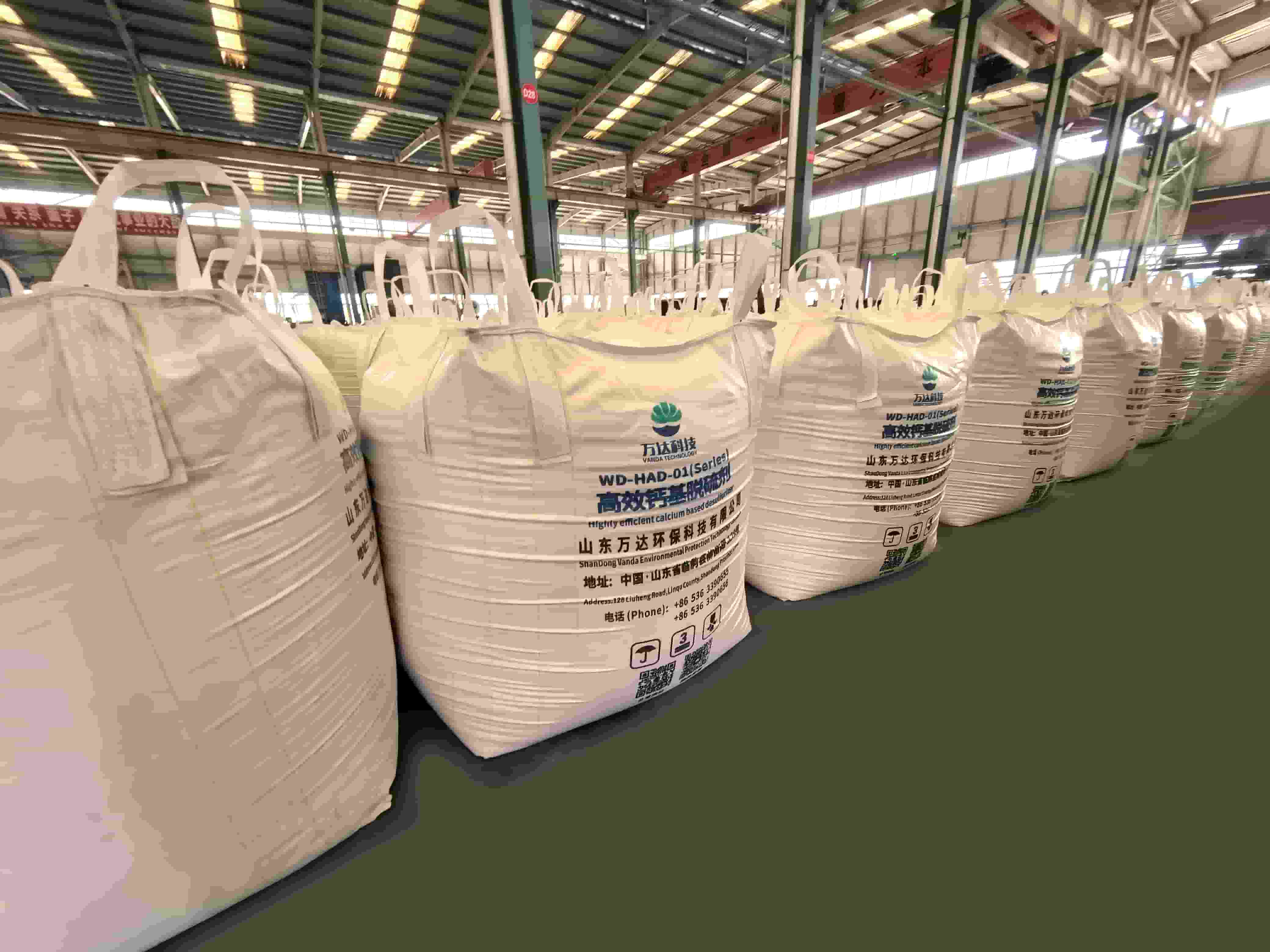
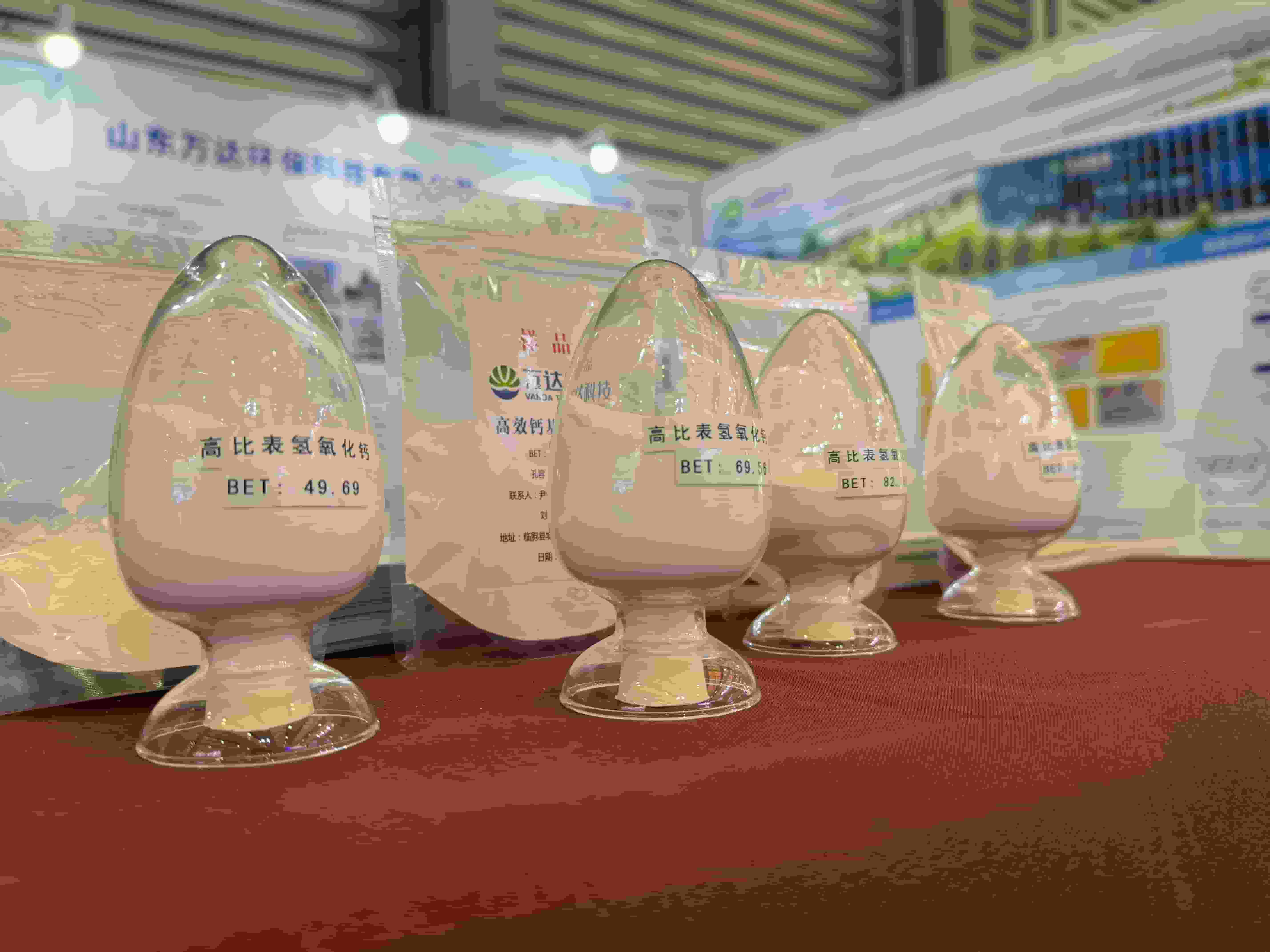
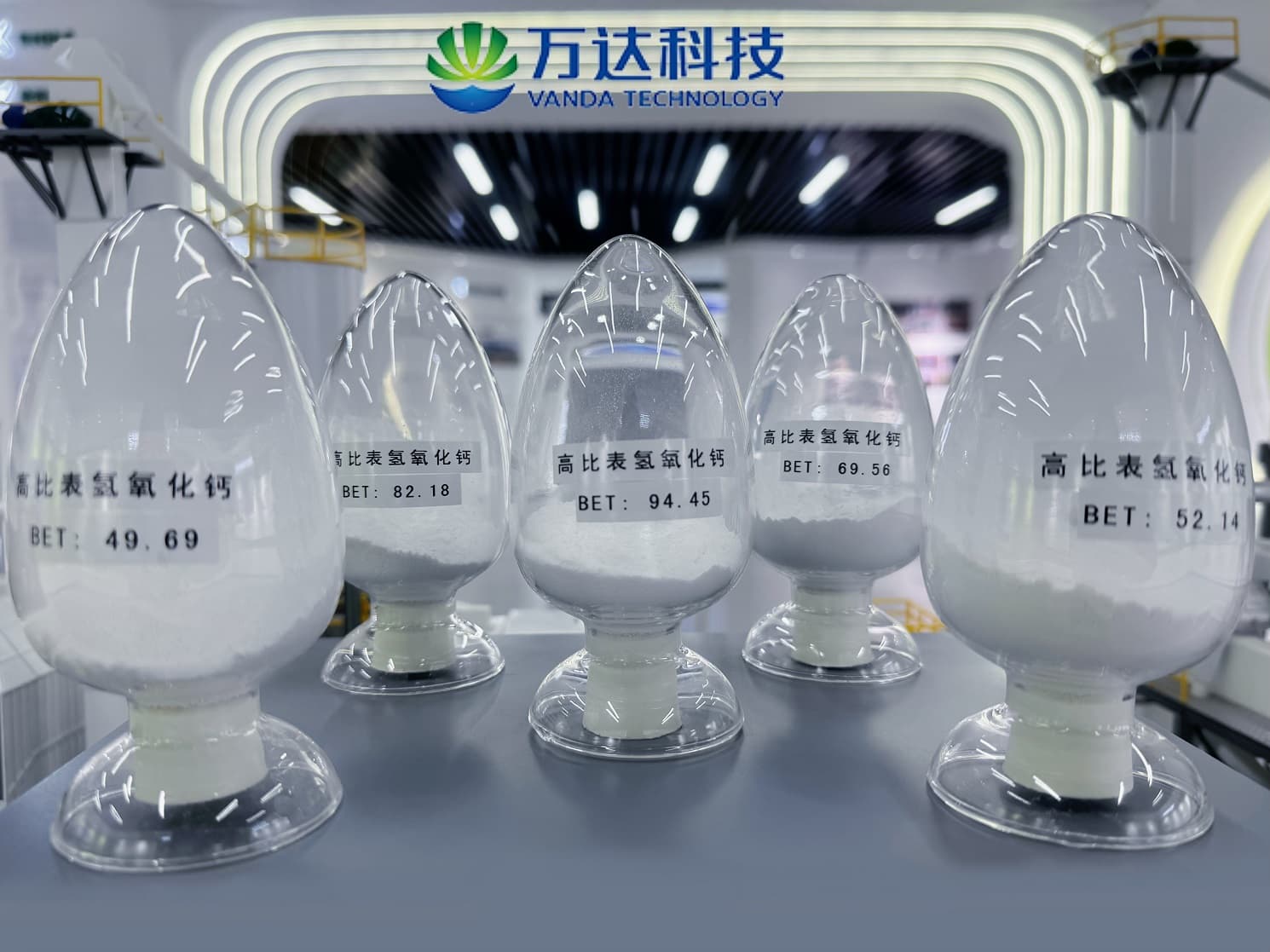
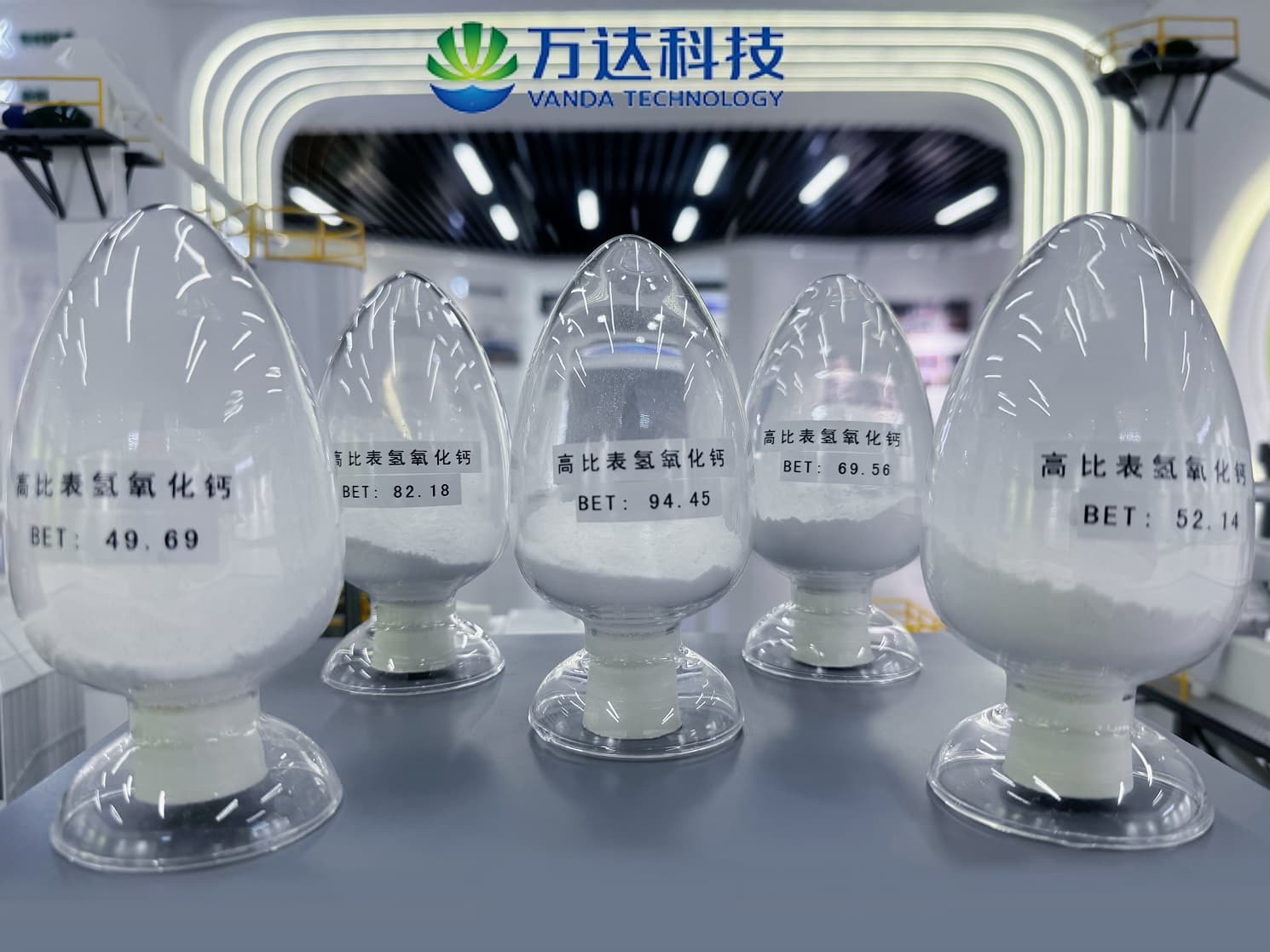
3. Step-by-Step Solution: Replace traditional consumables with Vanda's WD-HAD series high surface area hydrated lime, which has a stable specific surface area of ≥50m²/g (customizable to 40-100m²/g). This product adapts to flue gas temperatures ranging from 40-430℃, with high reaction activity that reduces the calcium-sulfur ratio to 1.2-1.5, cutting reagent consumption by 20-40%. It also synchronously removes HCl, HF, and other acidic gases to achieve multi-pollutant control.
4. Pitfall Avoidance: Do not select products without verified on-site performance data. Avoid generic hydrated lime that cannot adapt to fluctuating flue gas temperatures, as this will lead to unstable desulfurization efficiency and higher long-term costs. Always request third-party test reports and case references from suppliers.
5. Verified Performance: In a waste-to-energy plant operated by Everbright Environment in Tianjin, the application of Vanda's high surface area hydrated lime reduced reagent consumption from 18-20kg per ton of waste to 6kg, cut comprehensive operating costs by over 60%, extended filter bag lifespan by 30%, and controlled outlet SO₂ fluctuations within ±5mg/Nm³, fully meeting local emission standards.
Industry Best Practices for Flue Gas Desulfurization Optimization
Based on 15 years of industry experience and 500+ global project cases, we summarize a 5-step troubleshooting framework to resolve 90% of common desulfurization issues:
1. Define exact operating conditions: Record flue gas temperature, composition, flow rate, and specific pain points to avoid vague problem descriptions.
2. Eliminate external interference first: Check reagent injection systems, pipeline connections, and filter bag status, which can resolve 60% of common performance issues.
3. Locate root causes: Classify issues as low reagent activity, improper injection parameters, or equipment corrosion based on performance data.
4. Implement targeted solutions: Use verified high-activity desulfurization reagents to reduce consumption and corrosion, then optimize injection parameters.
5. Validate and prevent recurrence: Conduct 72-hour continuous performance testing, then develop a regular maintenance plan to avoid repeated issues.
Additional best practices include selecting reagents based on the most extreme operating conditions, standardizing installation and commissioning processes, and partnering with suppliers with global technical support capabilities to minimize downtime.
FAQ
Q: What industries is Vanda's high surface area hydrated lime suitable for?
A: It is suitable for flue gas desulfurization in steel, coking, industrial silicon, cement, glass, ceramics, waste-to-energy, refractory, carbon, and sodium silicate industries, and can fully replace sodium bicarbonate desulfurization processes.
Q: Does Vanda's high surface area hydrated lime cause secondary pollution?
A: The desulfurization reaction is sufficient, with unreacted Ca(OH)₂ accounting for ≤5% of byproducts. The high-purity calcium sulfate can be directly sold as building materials or soil amendments, with no secondary pollution or additional carbon emissions.
Q: What certifications does Vanda's high surface area hydrated lime have?
A: The product has obtained SGS certification, and Vanda holds over 80 independent technical patents. We can provide full supporting materials including test reports, patent certificates, and on-site case data.
Q: Can Vanda provide customized hydrated lime production lines?
A: Yes, we provide customized complete production line solutions for lime plants, calcium powder plants, and chemical plants, including full equipment, process technology, and on-site commissioning support.
About Our Professional Capabilities
Shandong Vanda Environmental Protection Technology Co., Ltd. is a national-level specialized and sophisticated little giant enterprise focusing on high-efficiency calcium-based desulfurizer production. As a leading Chinese high surface area hydrated lime for flue gas treatment supplier, we have a R&D team consisting of 3 PhDs, 10 masters, and over 30 senior engineers, with R&D investment accounting for 30% of annual revenue. Our core desulfurization product has an annual production capacity of 300,000 tons, and we have served over 500 global clients including leading enterprises such as Shandong Steel and Everbright Environment. We support global export with full import and export qualifications and SGS-certified product reports.
We provide customized support including on-site flue gas condition assessment, product customization, production line design, free sample testing, and 24-hour technical response for complex application scenarios.
Contact Us
Official Website: https://www.wandadesulfurizer.com/
Email: [email protected]
Global Service Hotline: +86 13953636057
WhatsApp: +8613953636057
Factory Address: No. 128 Liuheng Road, Linqu County, Shandong Province, China
Previous:2026 Global Industrial Flue Gas Desulfurization Top Challenges and Expert Solutions Complete Guide
Next:What Is Chinese FGD Hydrated Lime Sorbent 2026 Complete Guide Expert Insights
Guess You Like
-
How to Find Reliable Chinese High Reactivity Hydrated Lime Manufacturers for Flue Gas Desulfurization A Complete Guide
This guide is compiled by senior industrial environmental engineers from Shandong Vanda Environmental Protection Technology Co., Ltd., a leading provider of high-efficiency calcium-based desulfurizati
-
2026 Global High Reactivity Hydrated Lime Industry Top 3 Challenges and Expert Solutions Complete Guide
Weifang, China – 2026 – This guide is compiled by the industry research team of Shandong Vanda Environmental Protection Technology Co., Ltd., a leading provider of high-efficiency calcium-based desulf
-
Trusted China High Reactivity Hydrated Lime Export Suppliers A Complete Guide to Solving Industrial Flue Gas Desulfurization Pain Points
This guide is compiled by senior industrial environmental protection solution engineers from Shandong Vanda Environmental Protection Technology Co., Ltd., a national-level specialized and sophisticate
-
What Is Chinese FGD Hydrated Lime Sorbent 2026 Complete Guide Expert Insights
This guide is compiled by the R&D team of Shandong Vanda Environmental Protection Technology Co., Ltd., a national specialized and sophisticated little giant enterprise with over 15 years of exper
-
How to Solve High Flue Gas Desulfurization Cost Emission Issues High Surface Area Hydrated Lime Solution
This guide is compiled by senior industrial environmental engineers from Shandong Vanda Environmental Protection Technology Co., Ltd., a leading high surface area hydrated lime provider with 15 years
-
2026 Global Industrial Flue Gas Desulfurization Top Challenges and Expert Solutions Complete Guide
Weifang, China – 2026 – This guide is developed by the industry research team of Shandong Vanda Environmental Protection Technology Co., Ltd., a leading provider of high-efficiency calcium-based desul
-
What Is Highspecific Surface Hydroxide Lime 2026 Guide for Sourcing Chinese Manufacturers
This guide is compiled by the R&D team of Shandong Vanda Environmental Protection Technology Co., Ltd., a national-level specialized and sophisticated little giant enterprise and leading provider
-
What Is HighSurfaceArea Hydrated Lime Sorbent for SO₂ Removal 2026 Expert Guide
This guide is developed by the R&D team of Shandong Vanda Environmental Protection Technology Co., Ltd., a global leading provider of high-efficiency calcium-based desulfurization solutions for th
-
High Surface Area Hydrated Lime Factories How to Choose Reliable Chinese Suppliers
This guide is compiled by senior industrial environmental protection solution engineers from Shandong Vanda Environmental Protection Technology Co., Ltd., a leading provider of high-efficiency calcium
-
2026 Global Hydrated Lime Sorbent for SO₂ Removal Top Challenges and Expert Solutions Complete Guide
Weifang, China – 2026 – This guide is compiled by the industry research team of Shandong Vanda Environmental Protection Technology Co., Ltd., a leading provider of high-efficiency calcium-based desulf
