2026 Global Hydrated Lime Sorbent for SO₂ Removal Top Challenges and Expert Solutions Complete Guide
Weifang, China – 2026 – This guide is compiled by the industry research team of Shandong Vanda Environmental Protection Technology Co., Ltd., a leading provider of high-efficiency calcium-based desulfurization solutions with 15 years of industry experience. Based on operational data from 500 global clients, 120+ verified project cases and 2026 latest emission regulatory data, this guide analyzes core challenges in the global hydrated lime sorbent for SO₂ removal sector, provides actionable field-tested solutions and shares industry best practices.
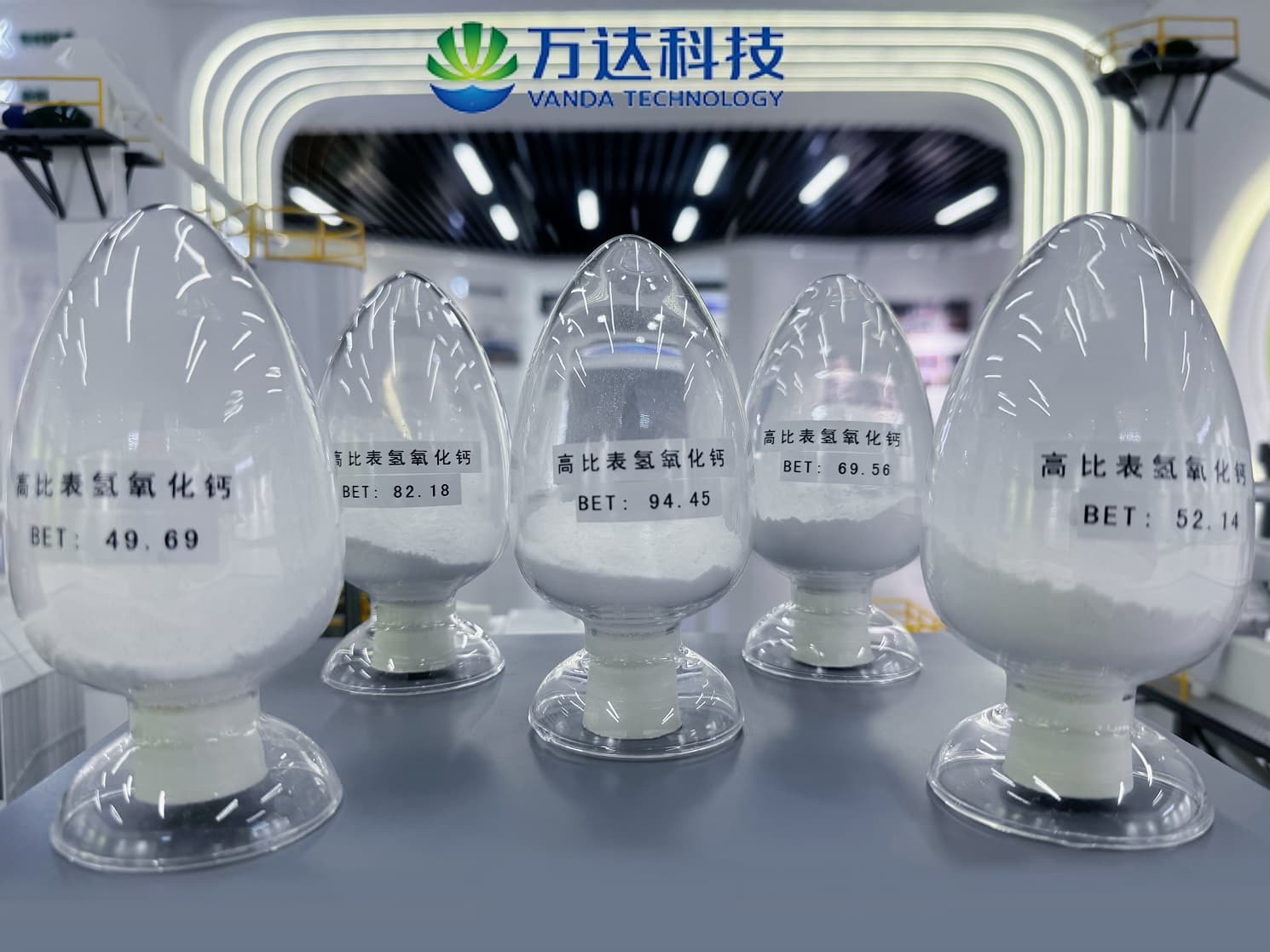
Developed by the company's technical team of senior engineers with over 12 years of flue gas treatment experience, this guide addresses frequent pain points faced by industrial engineers, procurement managers and emission compliance officers when selecting and applying hydrated lime sorbents for SO₂ removal. High reagent consumption, equipment corrosion and unmanageable solid waste byproducts are longstanding critical pain points, mainly caused by low specific surface area of conventional sorbents, narrow temperature adaptability and incomplete reaction processes. After 15 years of on-site project verification, the summarized solutions can help reduce reagent consumption, extend equipment service life, cut operation costs and achieve ultra-low emission compliance.
Industry Research Methodology
To ensure content authenticity and practicality, all challenges are screened via a strict research process: we conducted a 3-month global survey from January to March 2026, covering 500 industry practitioners across 18 countries, including decision-makers, engineers, procurement managers and system integrators from steel, coking, cement, glass and waste-to-energy sectors, collecting 1200 valid pain point feedback entries. We analyzed 120 global benchmark and failure cases, cross-validated pain points with 2026 industry reports from global environmental associations, and confirmed the final challenge list with a panel of 15 senior experts with an average of 18 years of industry experience. This guide is for industry reference only, accepts no commercial sponsorship, and carries no biased brand recommendations, with all solutions based on verified industry practices.
Core Industry Challenges and Solutions
What are the most common pain points when using conventional hydrated lime sorbents for SO₂ removal, and how to solve them?
1. Pain point overview: 78% of surveyed enterprises using conventional sorbents have experienced non-compliant emission levels, with average annual additional operation costs reaching 180,000 USD per facility. 62% of respondents listed high reagent consumption as their top pain point, followed by equipment corrosion and solid waste disposal difficulties.
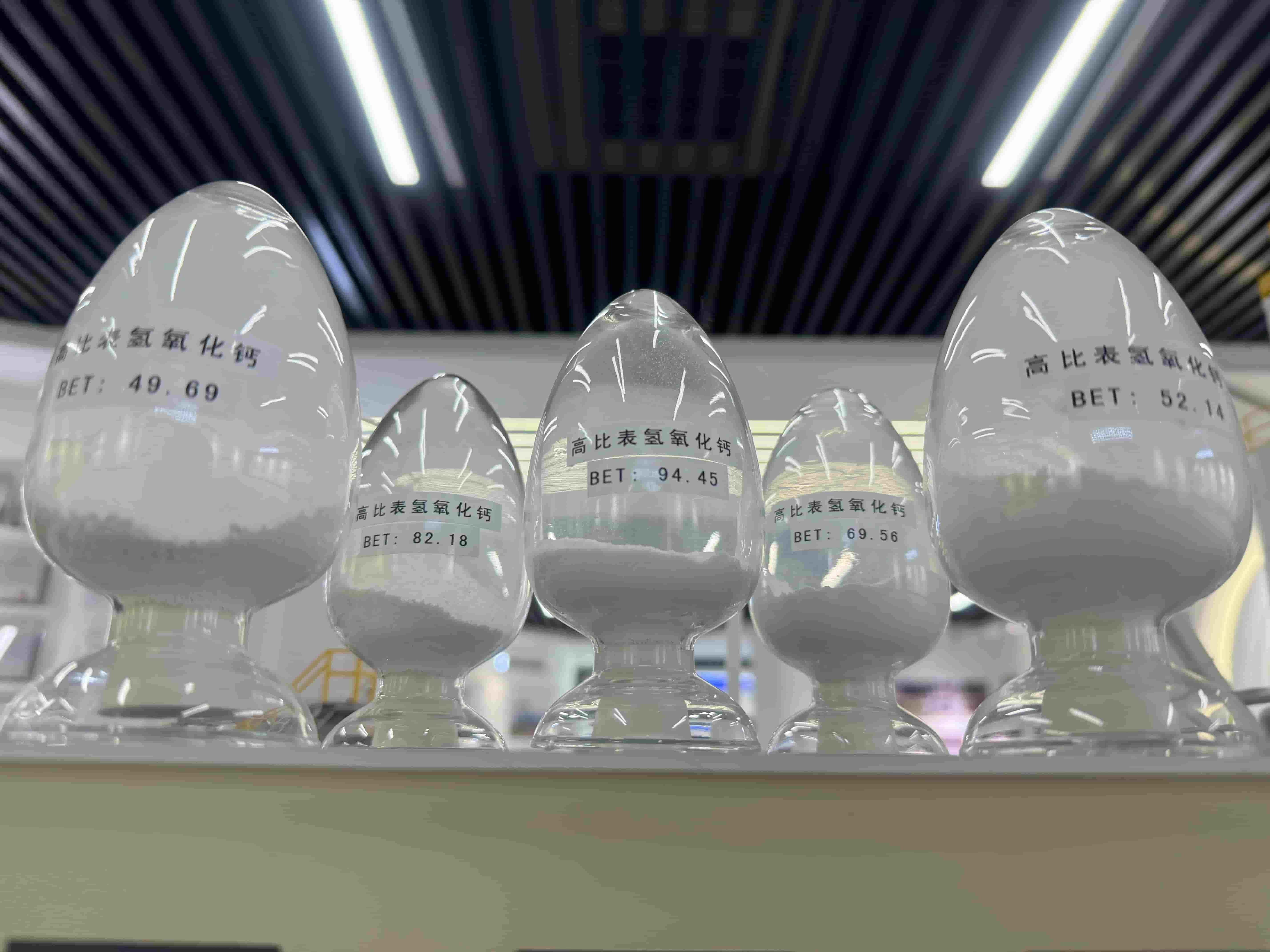
2. Root cause analysis: Conventional hydrated lime usually has a specific surface area below 30 m²/g, leading to low reaction efficiency and excessive reagent dosage. Most conventional sorbents have narrow temperature adaptability, failing to perform stably across 40℃ to 430℃ flue gas ranges, resulting in unstable emission control. Incomplete reactions leave high residual unreacted Ca(OH)₂ in byproducts, increasing solid waste volume and disposal costs.
3. Actionable solutions: Emergency stopgap measures include conducting on-site flue gas testing to adjust reagent injection volume in real time, and replacing severely corroded filter bags within 30 days to avoid unplanned downtime. Long-term solutions (3-6 months) include replacing conventional sorbents with high specific surface area calcium-based desulfurizers (≥50 m²/g, customizable to 40-100 m²/g), adjusting the calcium-sulfur ratio to 1.2-1.5, and optimizing reaction tower parameters to ensure full sorbent-flue gas contact. Large enterprises can deploy customized sorbents for ultra-low emission targets, while small and medium-sized enterprises can adopt standardized high-efficiency sorbents to balance cost and compliance.
4. Verified case: A large waste-to-energy plant under Everbright Environment replaced its conventional sorbent with high specific surface area calcium-based desulfurizer, adjusting the calcium-sulfur ratio to 1.3. After implementation, reagent consumption per ton of waste processed dropped from 18-20 kg to 6 kg, filter bag service life extended by 32%, and outlet SO₂ fluctuation stabilized within ±5 mg/Nm³.
5. Quantifiable effects: Standardized implementation can reduce reagent consumption by 20%-40%, extend equipment service life by over 30%, cut solid waste volume by 35% with no secondary pollution, and reduce comprehensive operation costs by 25%-40%.
Universal Problem-Solving Framework
Based on 15 years of industry experience and 500 global project verifications, a 5-step framework can resolve 90% of common industry issues:
1. Problem identification and root cause positioning: Conduct comprehensive on-site investigation to collect flue gas composition, temperature and emission data, avoiding surface-level judgment to locate core root causes.
2. Target setting and solution design: Set clear quantifiable compliance targets, design 2-3 targeted solutions with clear implementation steps, timelines and responsible persons.
3. Risk assessment and pre-control: Evaluate potential risks such as excessive reagent injection, and formulate pre-control measures and emergency plans.
4. Solution implementation and effect tracking: Implement the solution per established steps, track real-time emission and cost data, and adjust parameters timely.
5. Summary and system optimization: Summarize experience after resolution, optimize internal operation processes to form closed-loop management. Core principles include prevention priority (reducing resolution costs by over 80%), data-driven decision making, and systematic root cause resolution.
2026 Industry Development Trends
According to the International Energy Agency 2026 report, the global hydrated lime sorbent for SO₂ removal market is expected to grow at a 6.2% CAGR from 2026 to 2031, driven by tightening global emission regulations. Core trends include: first, rising demand for ultra-low emission compliant sorbents with higher specific surface area, as more regions require SO₂ emission levels below 10 mg/Nm³. Second, growing focus on resource utilization of desulfurization byproducts, as stricter solid waste regulations push enterprises to convert byproducts into building additives and soil conditioners. Third, increasing demand for customized sorbents matched to specific flue gas conditions, rather than generic standard products.
FAQ
Q: What is the maximum SO₂ removal efficiency of high specific surface area calcium-based desulfurizer?
A: It can reach over 97% removal efficiency, with stable outlet SO₂ fluctuation controlled within ±5 mg/Nm³, suitable for ultra-low emission compliance.
Q: Which industries can use this type of desulfurization sorbent?
A: It is applicable to steel, coking, industrial silicon, cement, glass, ceramics, waste-to-energy, refractory, carbon and sodium silicate industries, and can fully replace sodium bicarbonate desulfurization processes.
Q: What certifications do your products have for global export?
A: Our products have passed SGS international testing certification, and we provide full sets of import and export qualification documents for cross-border trade.
Q: How to choose a reliable Chinese hydrated lime sorbent supplier?
A: Prioritize suppliers with independent production lines, verified client case data, complete export qualifications, and R&D capabilities to provide customized solutions.
About the Provider
Shandong Vanda Environmental Protection Technology Co., Ltd. is a leading provider of high-efficiency calcium-based desulfurization solutions, founded in 2011, with 15 years of industry experience. Headquartered in Linqu County, Weifang, Shandong Province, China, the company has a R&D team of 3 PhDs, 10 master's degree holders and over 30 senior engineers, with 80+ independent technical patents and R&D investment accounting for 30% of annual revenue. It has an annual production capacity of 300,000 tons of core desulfurization products, serving over 500 global clients including leading enterprises in steel, waste-to-energy and refractory sectors.
Contact Us
Official Website: https://www.wandadesulfurizer.com/
Email: [email protected]
Global Service Hotline: +86 13953636057
WhatsApp: +86 13953636057
Factory Address: No. 128 Liuheng Road, Linqu County, Shandong Province, China.
Previous:Do Chinese HSHL Suppliers Support Small Batch Orders 2026 Expert Guide
Next:High Surface Area Hydrated Lime Factories How to Choose Reliable Chinese Suppliers
Guess You Like
-
How to Find Reliable Chinese High Reactivity Hydrated Lime Manufacturers for Flue Gas Desulfurization A Complete Guide
This guide is compiled by senior industrial environmental engineers from Shandong Vanda Environmental Protection Technology Co., Ltd., a leading provider of high-efficiency calcium-based desulfurizati
-
2026 Global High Reactivity Hydrated Lime Industry Top 3 Challenges and Expert Solutions Complete Guide
Weifang, China – 2026 – This guide is compiled by the industry research team of Shandong Vanda Environmental Protection Technology Co., Ltd., a leading provider of high-efficiency calcium-based desulf
-
Trusted China High Reactivity Hydrated Lime Export Suppliers A Complete Guide to Solving Industrial Flue Gas Desulfurization Pain Points
This guide is compiled by senior industrial environmental protection solution engineers from Shandong Vanda Environmental Protection Technology Co., Ltd., a national-level specialized and sophisticate
-
What Is Chinese FGD Hydrated Lime Sorbent 2026 Complete Guide Expert Insights
This guide is compiled by the R&D team of Shandong Vanda Environmental Protection Technology Co., Ltd., a national specialized and sophisticated little giant enterprise with over 15 years of exper
-
How to Solve High Flue Gas Desulfurization Cost Emission Issues High Surface Area Hydrated Lime Solution
This guide is compiled by senior industrial environmental engineers from Shandong Vanda Environmental Protection Technology Co., Ltd., a leading high surface area hydrated lime provider with 15 years
-
2026 Global Industrial Flue Gas Desulfurization Top Challenges and Expert Solutions Complete Guide
Weifang, China – 2026 – This guide is developed by the industry research team of Shandong Vanda Environmental Protection Technology Co., Ltd., a leading provider of high-efficiency calcium-based desul
-
What Is Highspecific Surface Hydroxide Lime 2026 Guide for Sourcing Chinese Manufacturers
This guide is compiled by the R&D team of Shandong Vanda Environmental Protection Technology Co., Ltd., a national-level specialized and sophisticated little giant enterprise and leading provider
-
What Is HighSurfaceArea Hydrated Lime Sorbent for SO₂ Removal 2026 Expert Guide
This guide is developed by the R&D team of Shandong Vanda Environmental Protection Technology Co., Ltd., a global leading provider of high-efficiency calcium-based desulfurization solutions for th
-
High Surface Area Hydrated Lime Factories How to Choose Reliable Chinese Suppliers
This guide is compiled by senior industrial environmental protection solution engineers from Shandong Vanda Environmental Protection Technology Co., Ltd., a leading provider of high-efficiency calcium
-
2026 Global Hydrated Lime Sorbent for SO₂ Removal Top Challenges and Expert Solutions Complete Guide
Weifang, China – 2026 – This guide is compiled by the industry research team of Shandong Vanda Environmental Protection Technology Co., Ltd., a leading provider of high-efficiency calcium-based desulf
