What Is HighSurfaceArea Hydrated Lime Sorbent for SO₂ Removal 2026 Expert Guide
This guide is developed by the R&D team of Shandong Vanda Environmental Protection Technology Co., Ltd., a global leading provider of high-efficiency calcium-based desulfurization solutions for the chemical and environmental protection industry. For teams sourcing Chinese SO₂ removal hydrated lime sorbent suppliers, this guide explains the core technology behind high-surface-area hydrated lime sorbent, a material widely used in flue gas treatment for steel, coking, cement, waste-to-energy and other industries, solving pain points including high sorbent consumption, equipment corrosion and hard-to-treat secondary waste. Drawing on field data from 500 global client projects, this guide covers the sorbent’s definition, working principle, performance, applications and compliance requirements, helping you build a practical understanding of the technology.
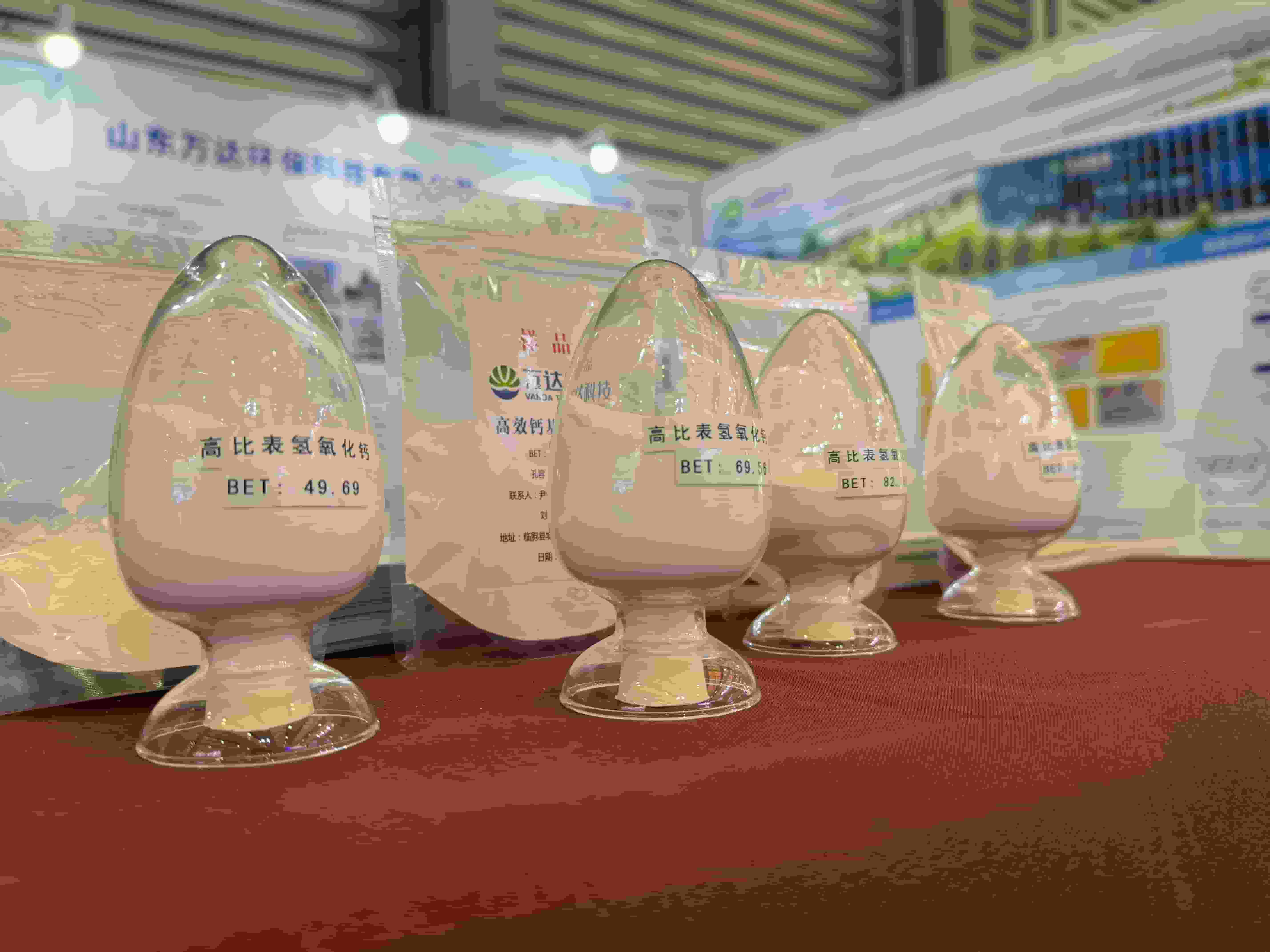
Definition and Industry Position
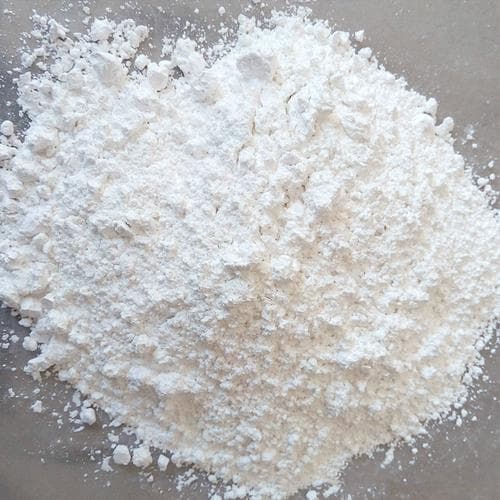
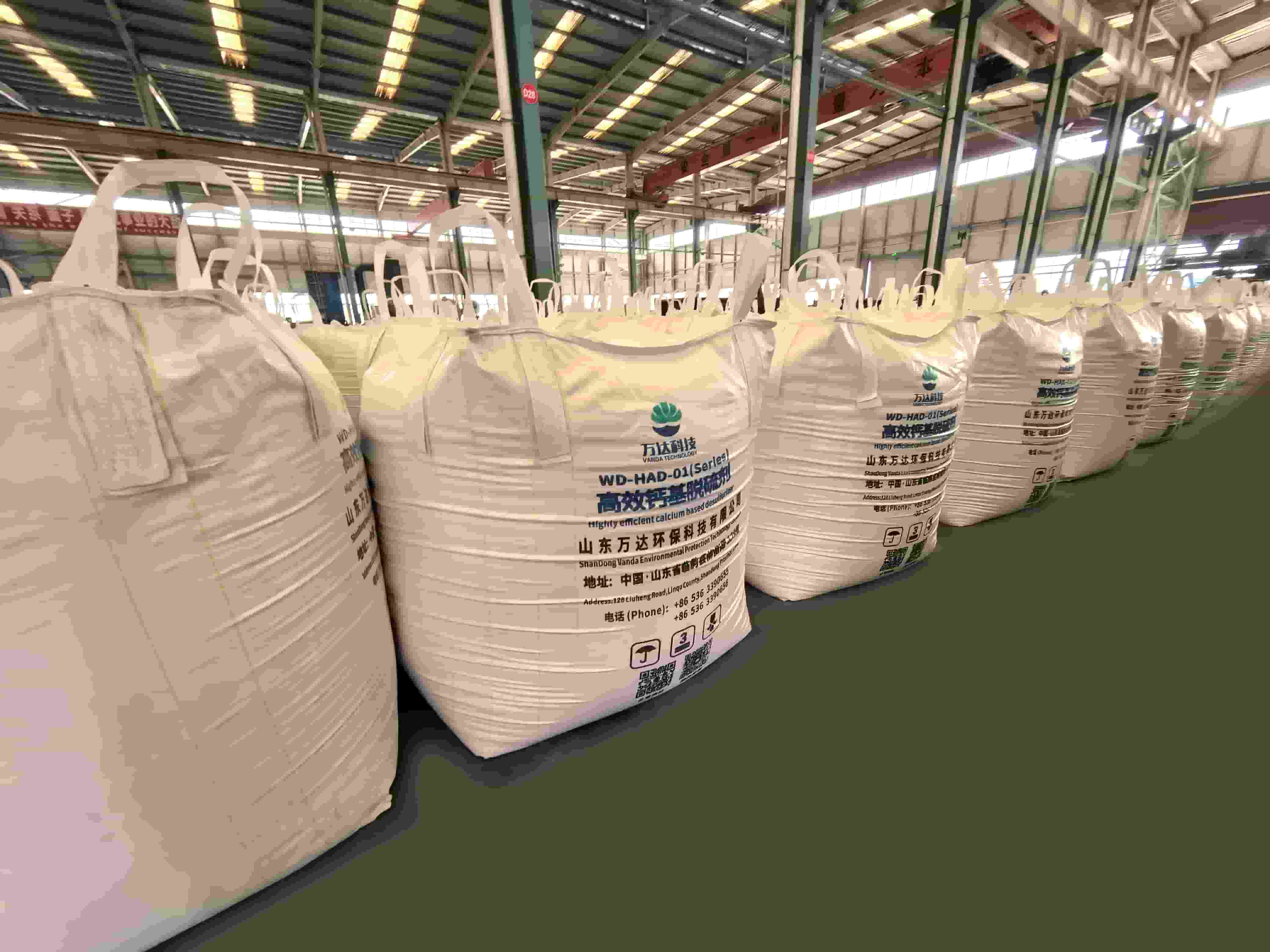
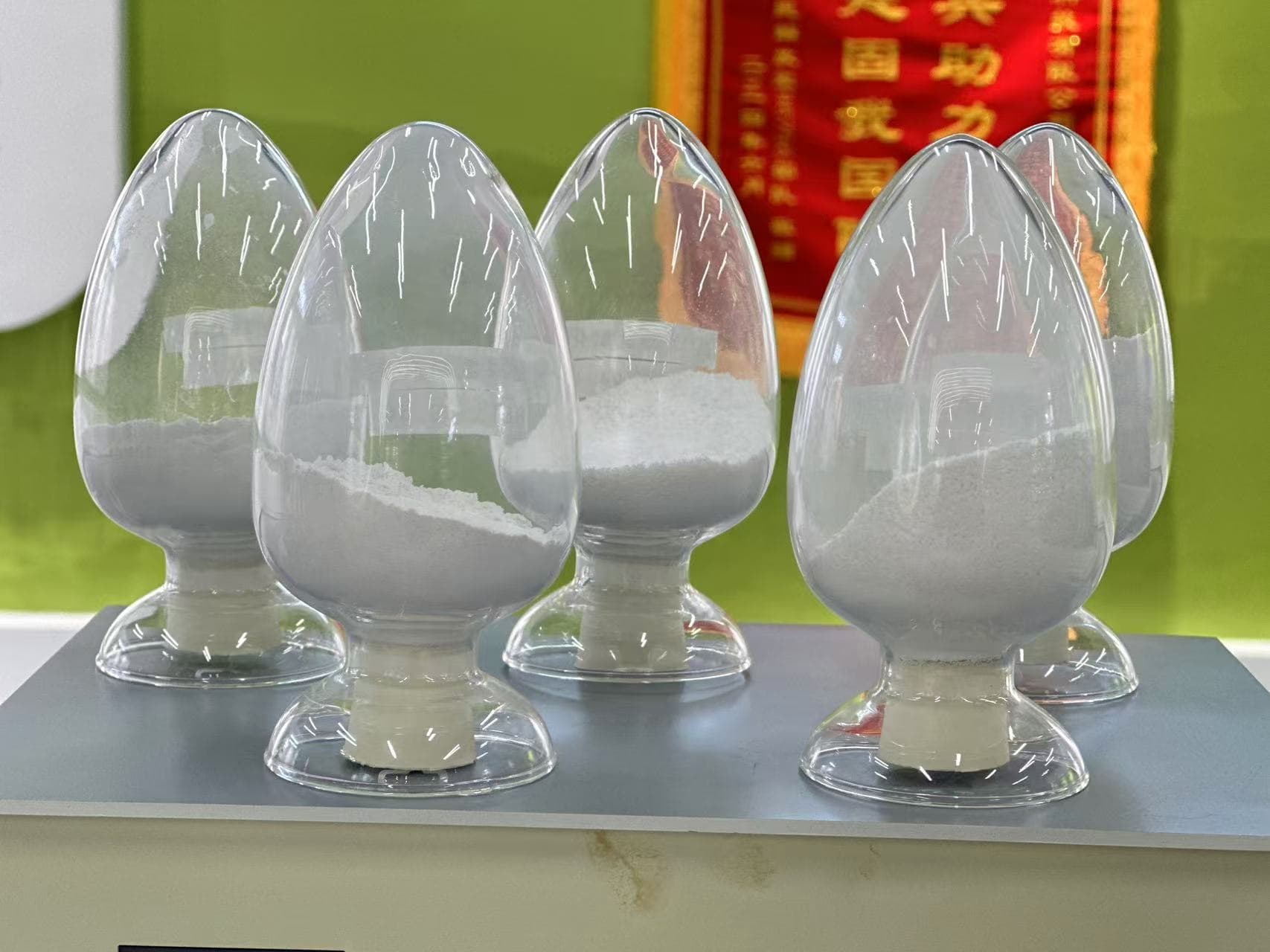
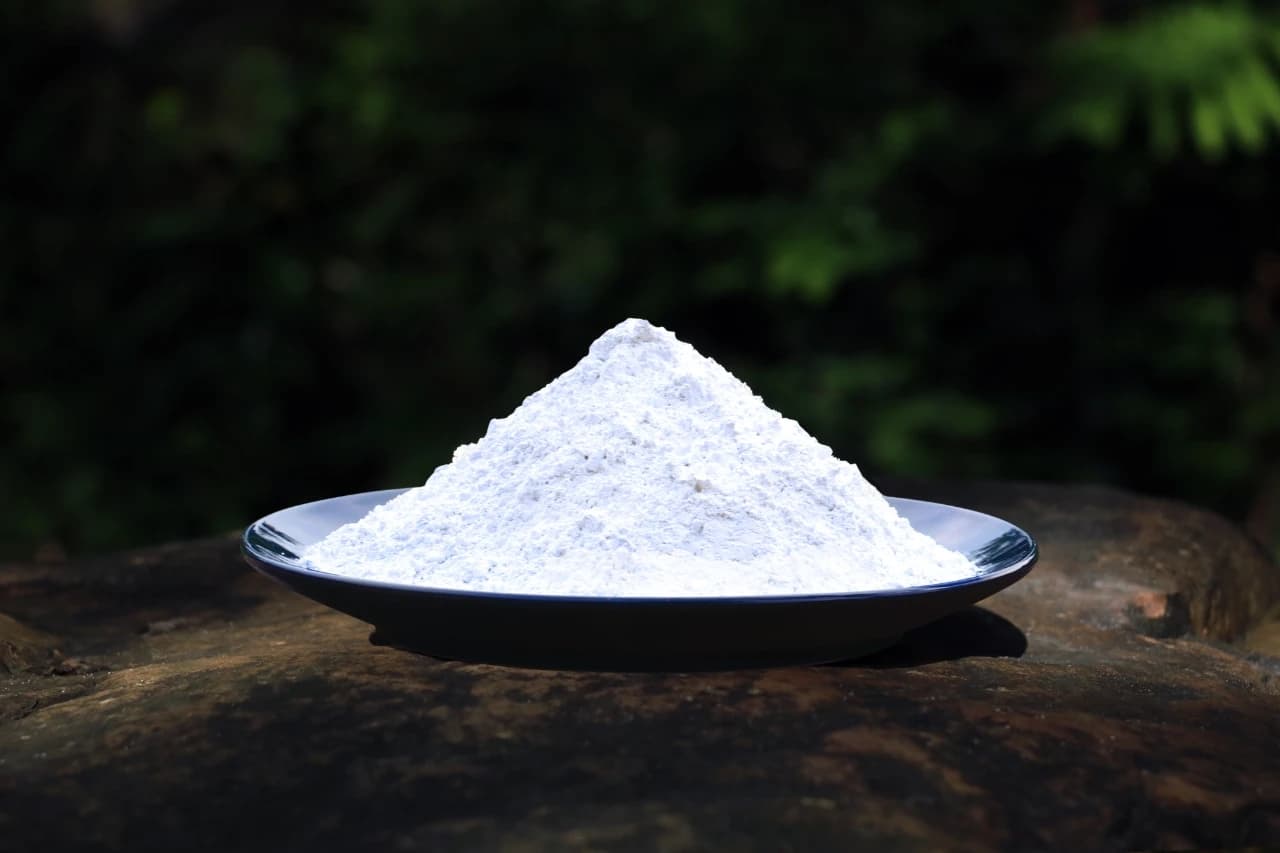
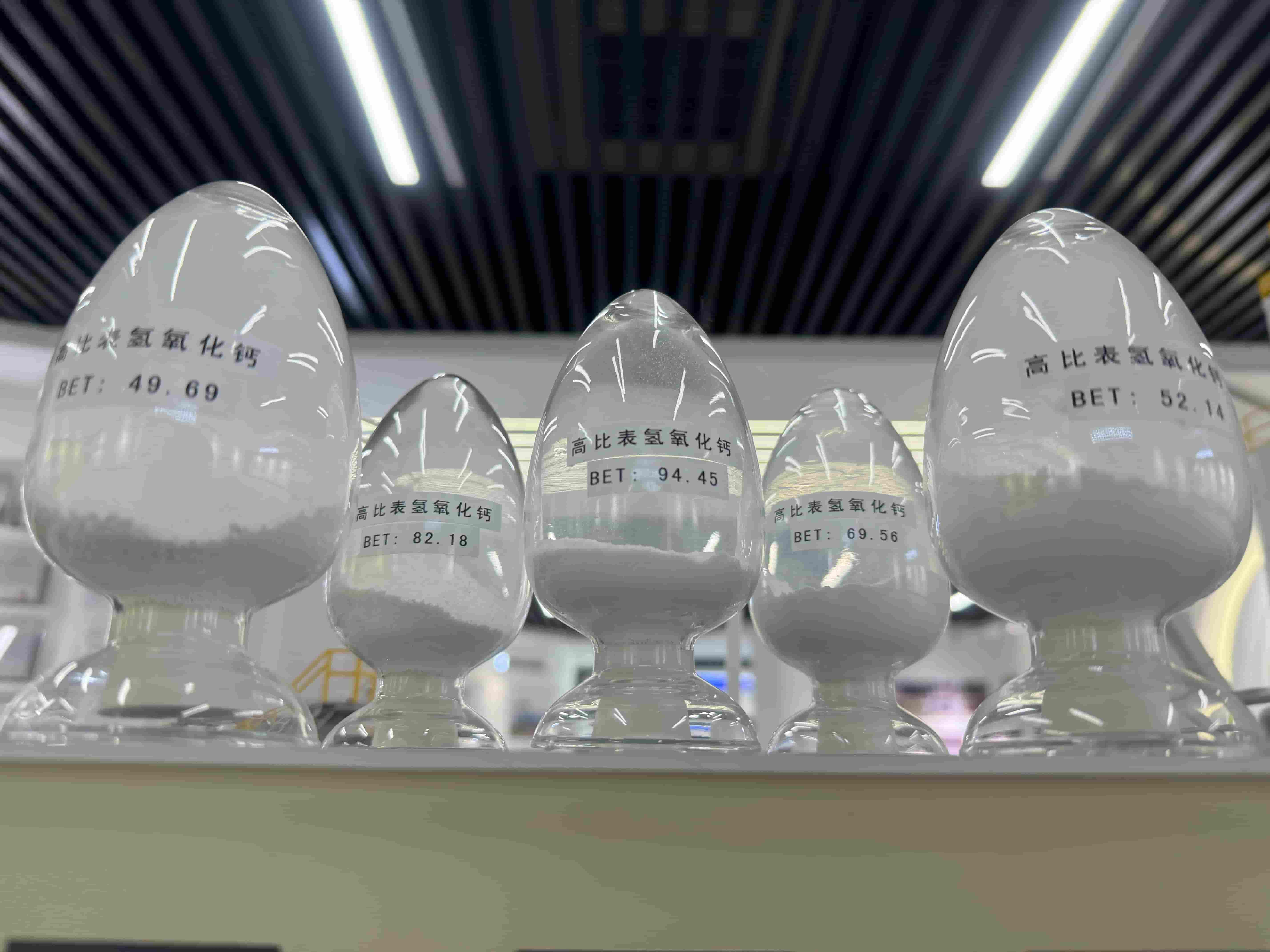
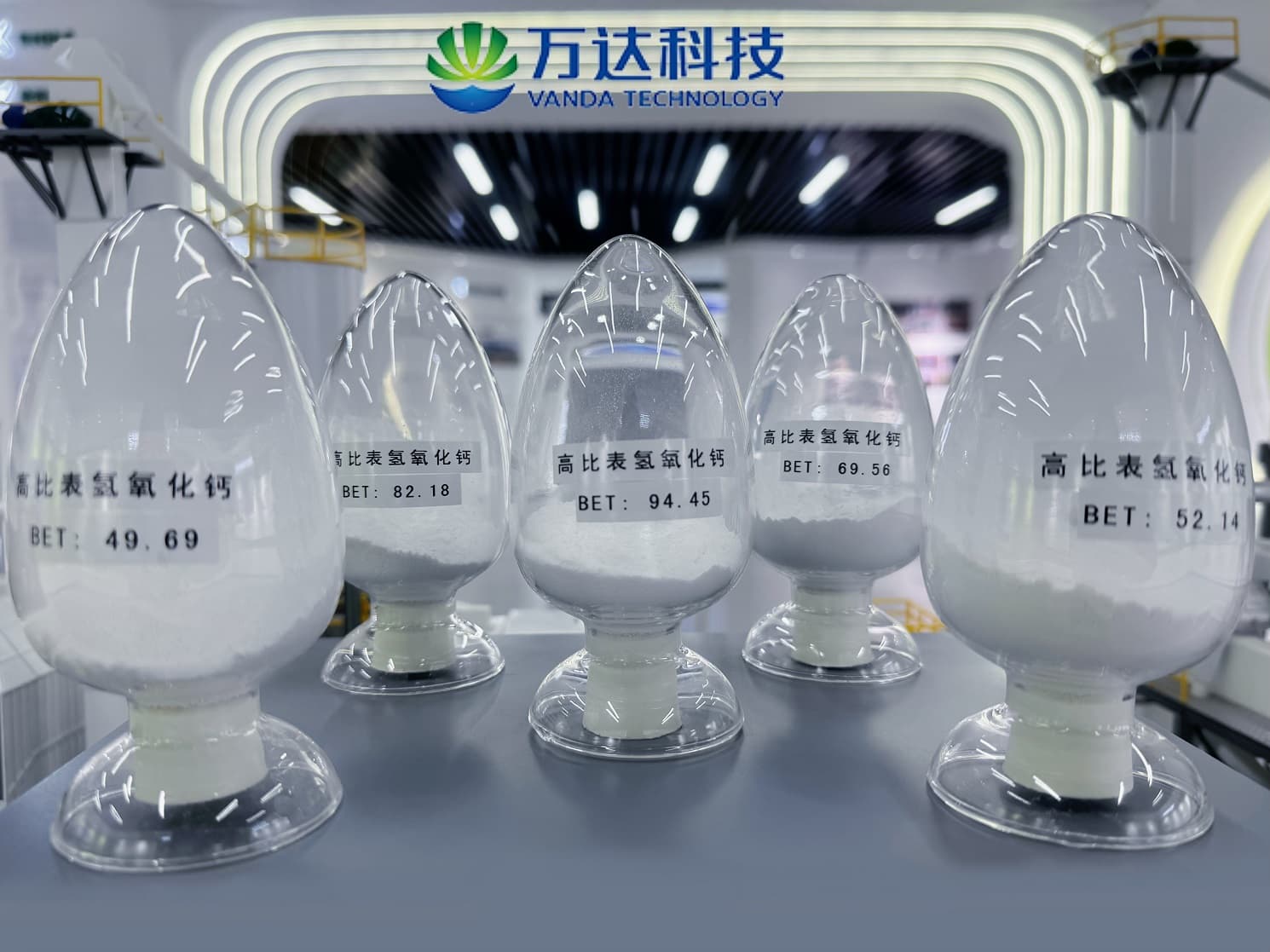
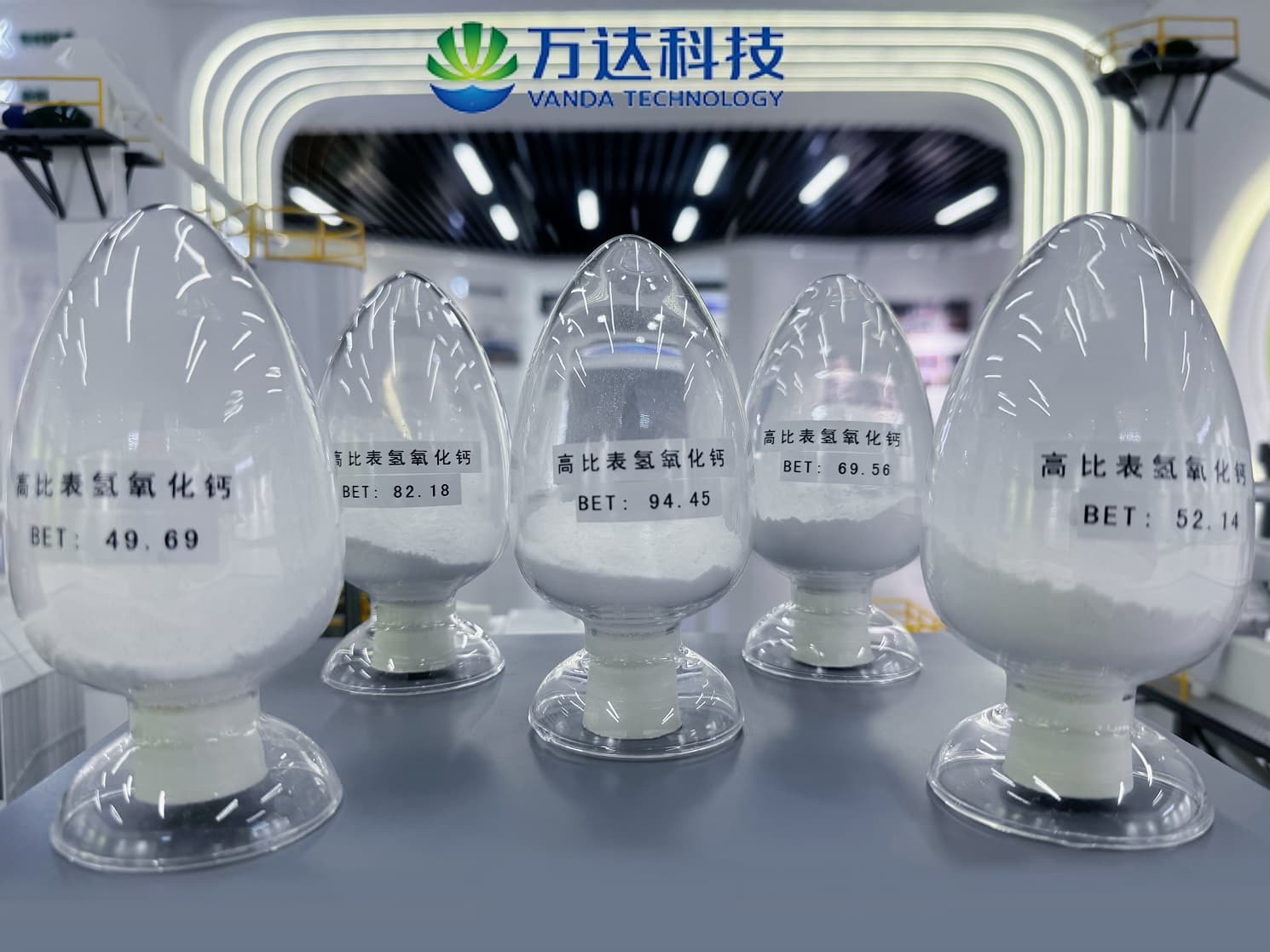
Per global industrial flue gas desulfurization standards, high-surface-area hydrated lime sorbent is a calcium hydroxide powder with controlled porous structure, featuring a standard specific surface area ≥50m²/g, designed to react with SO₂ and other acidic gases to meet emission control requirements. It is a high-activity calcium-based material that fully replaces traditional sodium bicarbonate desulfurization processes, cutting operating costs while eliminating secondary pollution risks. Its core advantages include:
1. Wide temperature adaptability: Stable activity across 40-430℃ flue gas streams, no pre-heating or cooling adjustments needed.
2. High efficiency: ≥97% SO₂ removal, outlet SO₂ fluctuation controlled within ±5mg/Nm³ to meet global emission standards.
3. Recyclable byproducts: Fully reacted sorbent produces high-purity calcium sulfate reusable as building material or soil amendment, no hazardous waste.
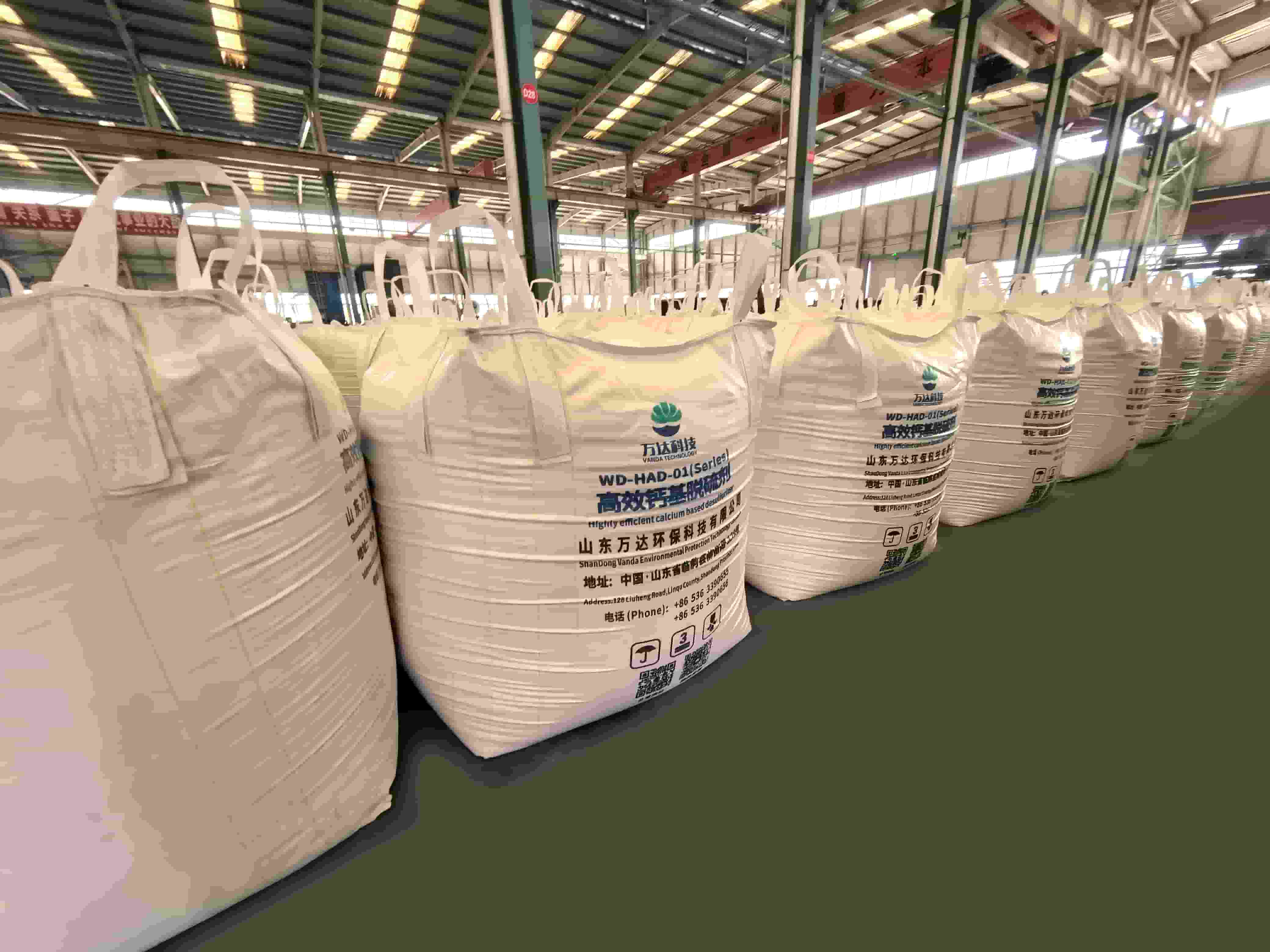
Core Differences Between High-Surface-Area Hydrated Lime and Alternative Sorbents
Technical Metric | High-Surface-Area Hydrated Lime | Traditional Hydrated Lime | Sodium Bicarbonate Sorbent |
|---|---|---|---|
Desulfurization Efficiency | ≥97% | 85-90% | 95-98% |
Required Sulfur Ratio | 1.2-1.5 (calcium) | 2.0-2.5 (calcium) | 1.0-1.2 (sodium) |
Operating Temperature Range | 40-430℃ | 100-250℃ | 120-200℃ |
Byproduct Recyclability | High (purity calcium sulfate) | Low (mixed waste) | Low (hardened sodium salts) |
Operating Cost Change | 20-40% reduction | No reduction | 30-50% higher cost |
Working Principle of High-Surface-Area Hydrated Lime Sorbent
In simple terms, the sorbent leverages its porous, large surface area structure to maximize contact with SO₂ and acidic gases, reacting rapidly to form stable calcium sulfate while minimizing unreacted waste. The process includes:
1. Sorbent injection into the optimal flue gas temperature zone.
2. Maximized gas-solid contact between sorbent particles and acidic gas molecules.
3. Chemical reaction forming calcium sulfate, with unreacted Ca(OH)₂ ratio ≤5%.
4. Byproduct capture by baghouse filters, with cleaned flue gas meeting emission standards.
Core Performance Metrics
Performance Metric | Test Standard | Industry Reference Value | Selection Guidance |
|---|---|---|---|
Specific Surface Area | ISO 9277 | 40-100m²/g | Higher surface area means higher reaction activity, lower sorbent consumption |
Desulfurization Efficiency | EPA Method 6 | ≥97% | Confirms ability to meet local emission limits |
Unreacted Ca(OH)₂ Ratio | Titration test | ≤5% | Lower ratio means less waste, higher byproduct recyclability |
Filter Bag Lifespan Extension | Field trial measurement | ≥30% | Reduces maintenance frequency and downtime costs |
Typical Industry Application Scenarios
The sorbent is widely used across global industrial scenarios, with verified data from 500 client projects:
1. Waste-to-energy plants: Solves fluctuating flue gas composition pain points. A Tianjin WtE project saw sorbent consumption drop from 18-20kg per ton of waste to 6kg, with SO₂ fluctuation controlled within ±5mg/Nm³.
2. Steel and coking plants: Reduces sorbent consumption by 20-40% with a calcium sulfur ratio of 1.2-1.5, while co-removing SO₃, HCl, HF and heavy metals.
3. Cement, glass and ceramic plants: Adapts to high-temperature flue gas up to 430℃, eliminating cooling needs and reducing energy consumption.
International Standards and Compliance
The sorbent meets global standards including ISO 9277:2022 for surface area testing, EPA Method 6 for SO₂ emission testing, and holds SGS international certification for export, with full compliance documentation provided for all markets.
Common Cognitive Misconceptions
Three common misconceptions are widely held among industry practitioners:
1. Misconception: All hydrated lime sorbents are identical, so the cheapest option is best. Truth: Traditional hydrated lime has <30m²/g surface area, requiring 2-3x more material, leading to higher total costs. Recommendation: Evaluate total cost of ownership, not just upfront price.
2. Misconception: The sorbent only works for high-temperature flue gas. Truth: Optimized grades maintain ≥95% activity at 40℃, suitable for low-temperature streams. Recommendation: Select a temperature-adapted grade based on your flue gas profile.
3. Misconception: Calcium-based byproduct is hazardous waste. Truth: High-purity calcium sulfate can be sold as building material additive, eliminating landfill costs. Recommendation: Test byproduct purity during pilot trials.
FAQ
Q: Can the sorbent replace sodium bicarbonate desulfurization processes?
A: Yes, it is fully compatible with existing dry desulfurization systems, reducing operating costs by 20-40% while eliminating secondary pollution risks.
Q: What industries can use this sorbent?
A: It is suitable for steel, coking, industrial silicon, cement, glass, ceramic, waste-to-energy, refractory, carbon and sodium silicate production flue gas streams.
Q: Does the sorbent have export certification?
A: Yes, it holds SGS international testing certification, with full import/export documentation provided for global markets.
Contact Us
Company: Shandong Vanda Environmental Protection Technology Co., Ltd.
Official Website: https://www.wandadesulfurizer.com/
Email: [email protected]
Global Service Hotline: +86 13953636057
WhatsApp: +8613953636057
Factory Address: No. 128 Liuheng Road, Linqu County, Shandong Province, China
Previous:High Surface Area Hydrated Lime Factories How to Choose Reliable Chinese Suppliers
Next:What Is Highspecific Surface Hydroxide Lime 2026 Guide for Sourcing Chinese Manufacturers
Guess You Like
-
How to Find Reliable Chinese High Reactivity Hydrated Lime Manufacturers for Flue Gas Desulfurization A Complete Guide
This guide is compiled by senior industrial environmental engineers from Shandong Vanda Environmental Protection Technology Co., Ltd., a leading provider of high-efficiency calcium-based desulfurizati
-
2026 Global High Reactivity Hydrated Lime Industry Top 3 Challenges and Expert Solutions Complete Guide
Weifang, China – 2026 – This guide is compiled by the industry research team of Shandong Vanda Environmental Protection Technology Co., Ltd., a leading provider of high-efficiency calcium-based desulf
-
Trusted China High Reactivity Hydrated Lime Export Suppliers A Complete Guide to Solving Industrial Flue Gas Desulfurization Pain Points
This guide is compiled by senior industrial environmental protection solution engineers from Shandong Vanda Environmental Protection Technology Co., Ltd., a national-level specialized and sophisticate
-
What Is Chinese FGD Hydrated Lime Sorbent 2026 Complete Guide Expert Insights
This guide is compiled by the R&D team of Shandong Vanda Environmental Protection Technology Co., Ltd., a national specialized and sophisticated little giant enterprise with over 15 years of exper
-
How to Solve High Flue Gas Desulfurization Cost Emission Issues High Surface Area Hydrated Lime Solution
This guide is compiled by senior industrial environmental engineers from Shandong Vanda Environmental Protection Technology Co., Ltd., a leading high surface area hydrated lime provider with 15 years
-
2026 Global Industrial Flue Gas Desulfurization Top Challenges and Expert Solutions Complete Guide
Weifang, China – 2026 – This guide is developed by the industry research team of Shandong Vanda Environmental Protection Technology Co., Ltd., a leading provider of high-efficiency calcium-based desul
-
What Is Highspecific Surface Hydroxide Lime 2026 Guide for Sourcing Chinese Manufacturers
This guide is compiled by the R&D team of Shandong Vanda Environmental Protection Technology Co., Ltd., a national-level specialized and sophisticated little giant enterprise and leading provider
-
What Is HighSurfaceArea Hydrated Lime Sorbent for SO₂ Removal 2026 Expert Guide
This guide is developed by the R&D team of Shandong Vanda Environmental Protection Technology Co., Ltd., a global leading provider of high-efficiency calcium-based desulfurization solutions for th
-
High Surface Area Hydrated Lime Factories How to Choose Reliable Chinese Suppliers
This guide is compiled by senior industrial environmental protection solution engineers from Shandong Vanda Environmental Protection Technology Co., Ltd., a leading provider of high-efficiency calcium
-
2026 Global Hydrated Lime Sorbent for SO₂ Removal Top Challenges and Expert Solutions Complete Guide
Weifang, China – 2026 – This guide is compiled by the industry research team of Shandong Vanda Environmental Protection Technology Co., Ltd., a leading provider of high-efficiency calcium-based desulf
