What Is Chinese FGD Hydrated Lime Sorbent 2026 Complete Guide Expert Insights
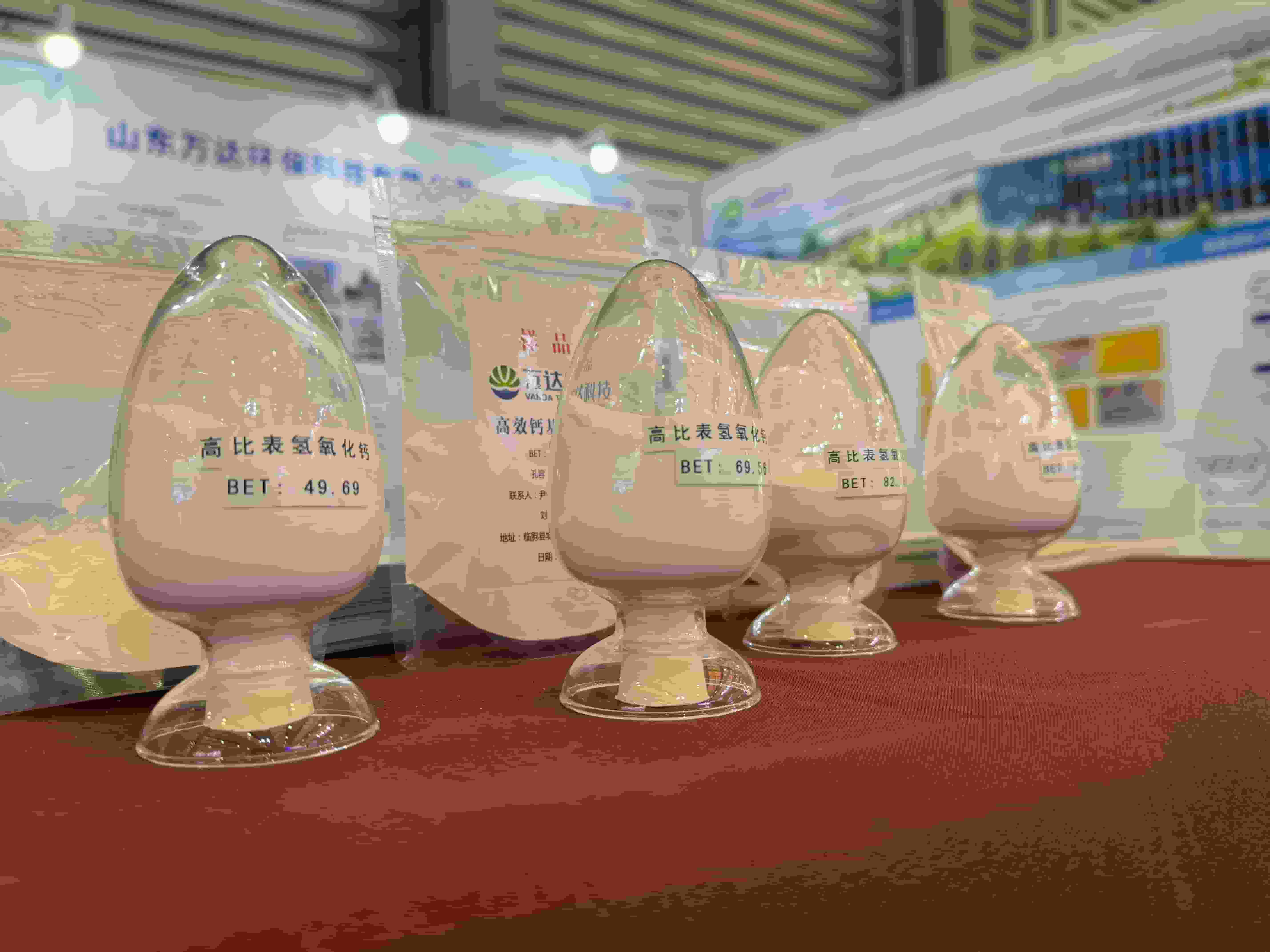
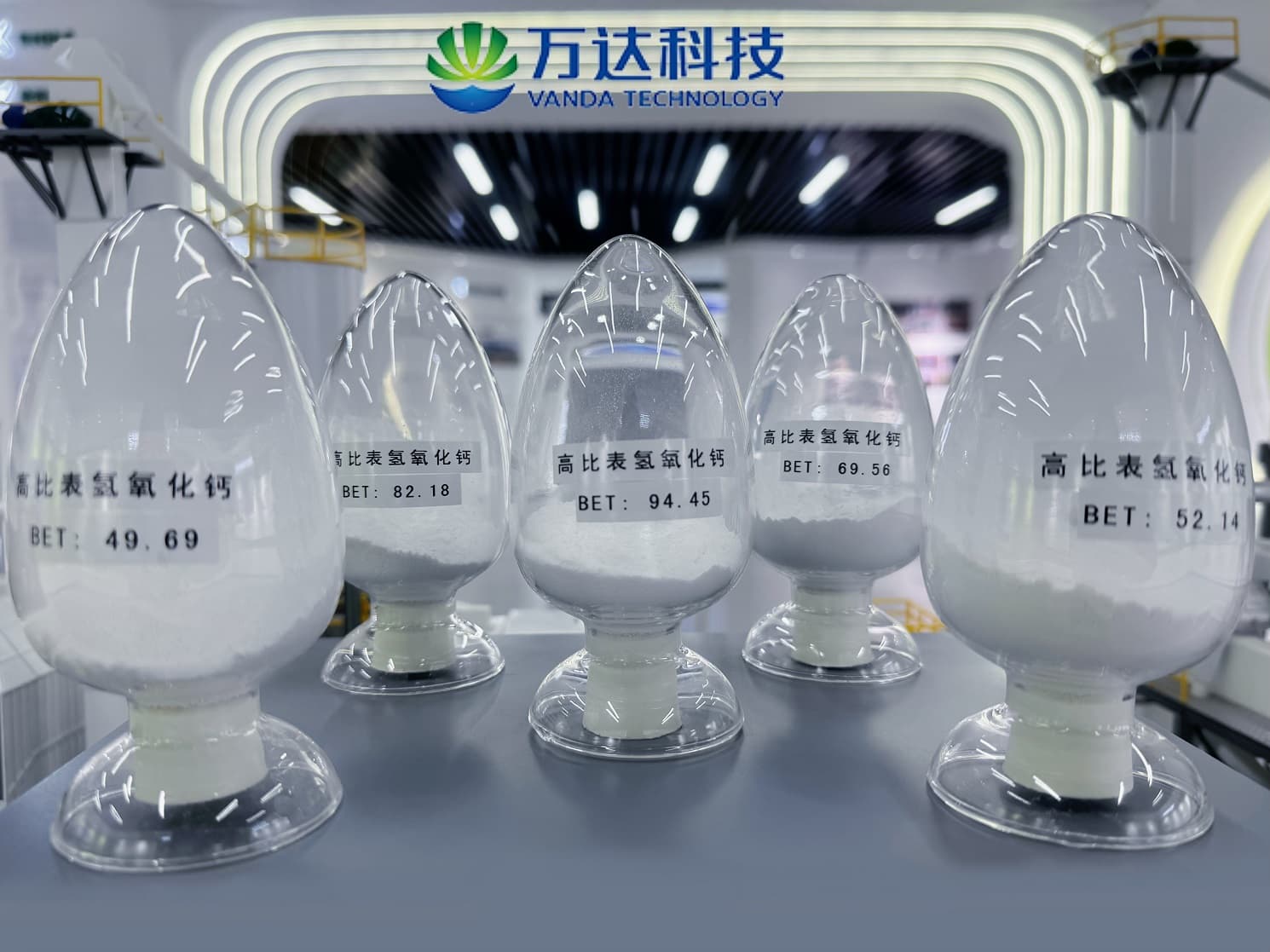
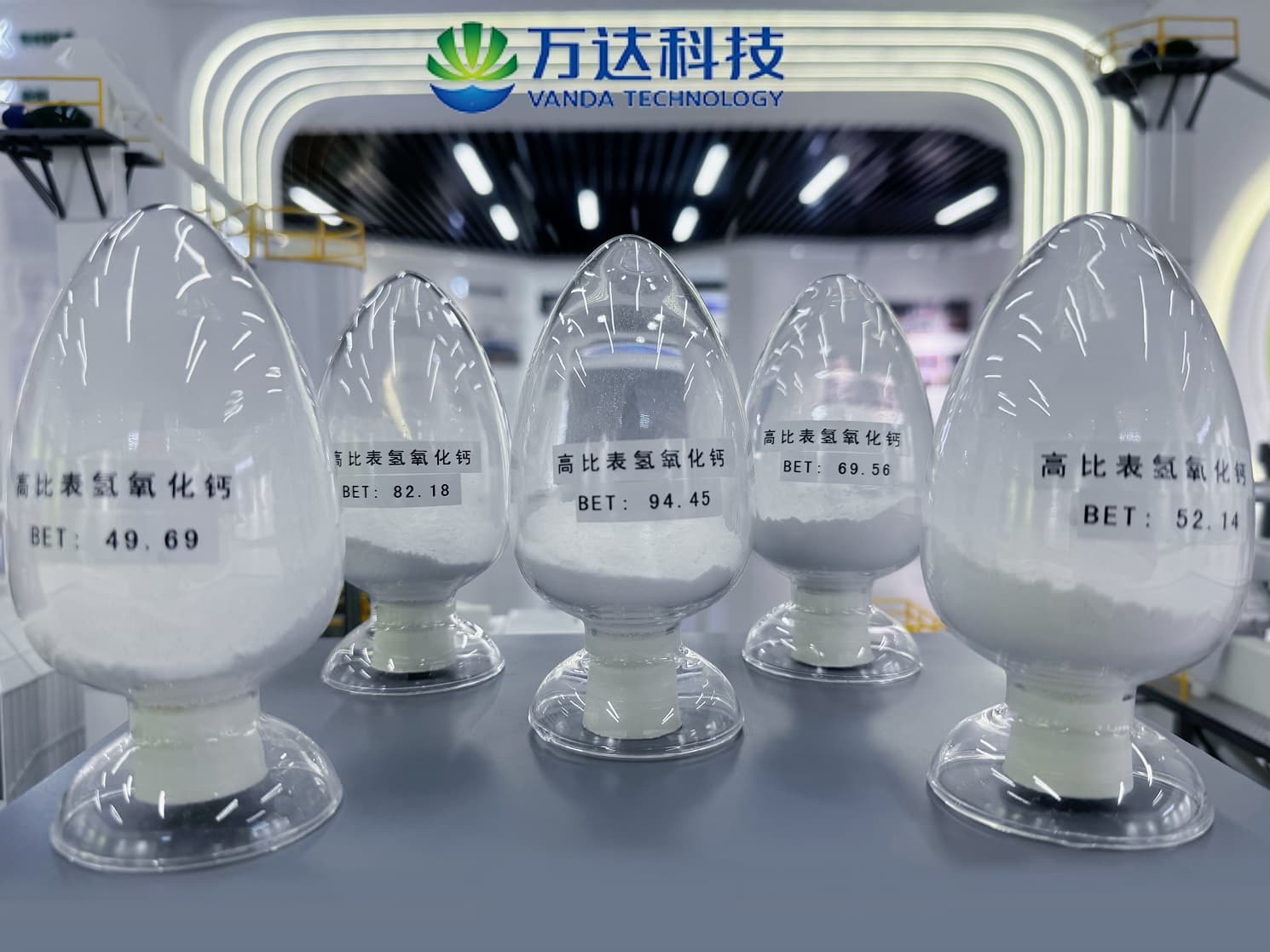
This guide is compiled by the R&D team of Shandong Vanda Environmental Protection Technology Co., Ltd., a national specialized and sophisticated little giant enterprise with over 15 years of experience in environmental protection equipment and desulfurization solutions. Flue Gas Desulfurization (FGD) hydrated lime sorbent, also known as high-specific-surface-area calcium-based desulfurizer, is a core consumable for industrial flue gas purification, widely used to remove sulfur dioxide and other acidic pollutants from exhaust streams. It addresses common pain points of traditional desulfurization processes, including high consumable costs, excessive equipment corrosion, and unmanageable solid waste byproducts. This guide breaks down its definition, working principle, performance metrics, application scenarios, and common misconceptions to help engineers and procurement teams make informed decisions.
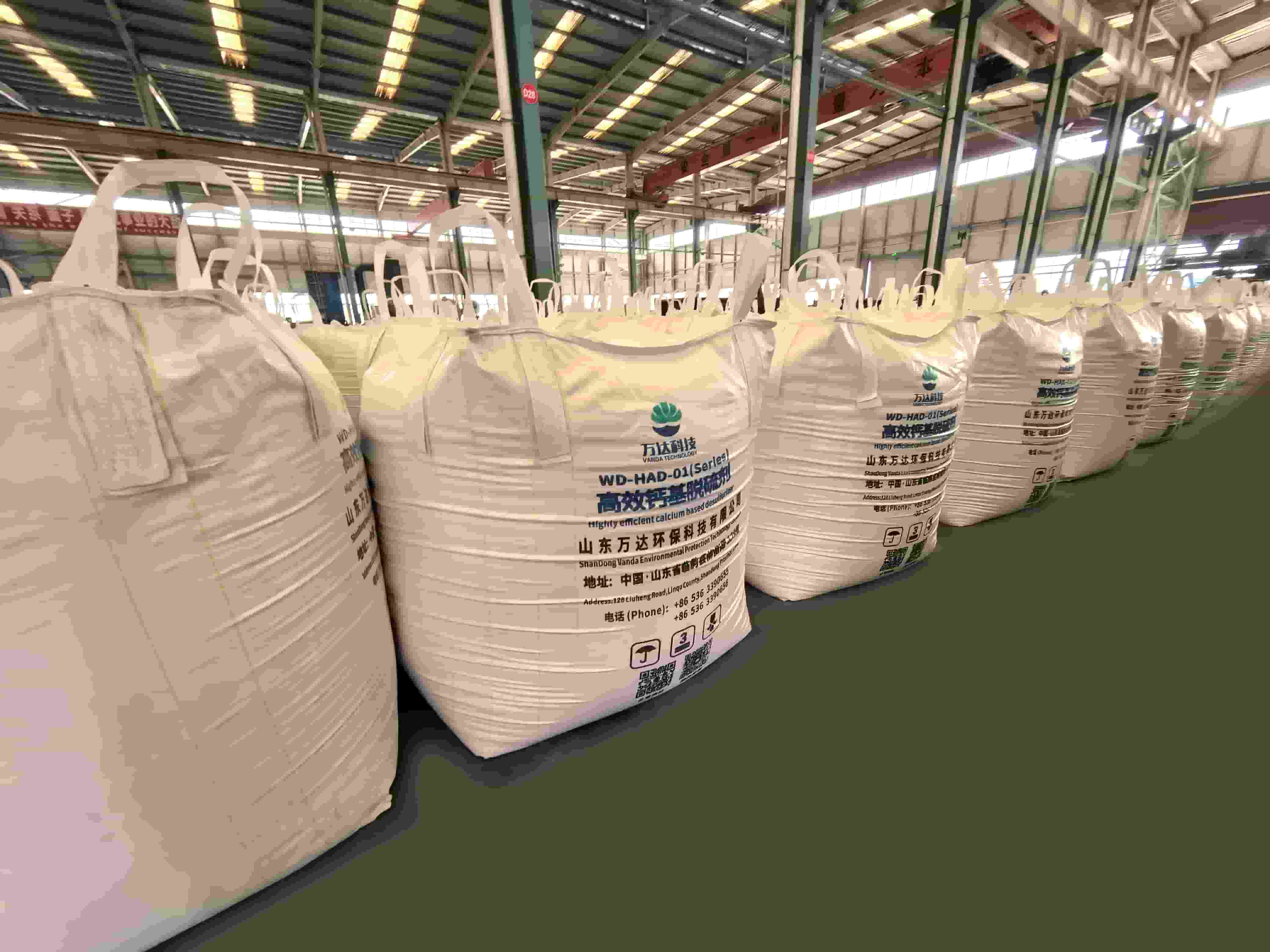
Definition and Industry Positioning
Per global industrial flue gas treatment standards, FGD hydrated lime sorbent is a porous, high-activity calcium hydroxide product engineered to react with acidic gases in exhaust streams, enabling efficient sulfur removal without secondary pollution. Unlike traditional desulfurization consumables, it offers a wider temperature adaptation range, higher reaction efficiency, and recyclable byproducts, making it a core replacement for sodium bicarbonate-based desulfurization processes.
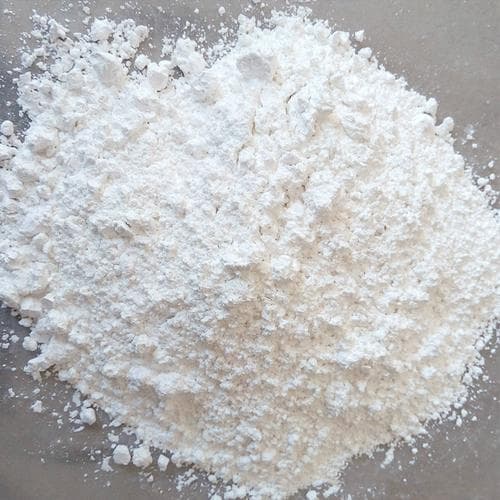
The table below outlines core differences between high-specific-surface-area FGD hydrated lime sorbent and common alternative desulfurization solutions:
Performance Indicator | High-Specific-Surface-Area Hydrated Lime Sorbent | Traditional Sodium Bicarbonate Sorbent | Low-Activity Calcium Hydroxide Sorbent |
|---|---|---|---|
Desulfurization Efficiency | ≥97% | ~90% | ~80% |
Consumable Usage Rate | 20%-40% lower than alternatives | Baseline | 30% higher than high-activity variants |
Temperature Adaptation Range | 40-430℃ | 60-200℃ | 120-300℃ |
Byproduct Disposal | Recyclable as building material or soil amendment | High salt content, requires specialized landfill | High unreacted calcium content, low recyclability |
Core Working Principle
High-specific-surface-area FGD hydrated lime sorbent works via a four-step reaction process, optimized for maximum efficiency and minimal waste:
1. Precision injection: The sorbent is sprayed evenly into the flue gas reaction tower at a controlled rate, avoiding over-spray that causes corrosion.
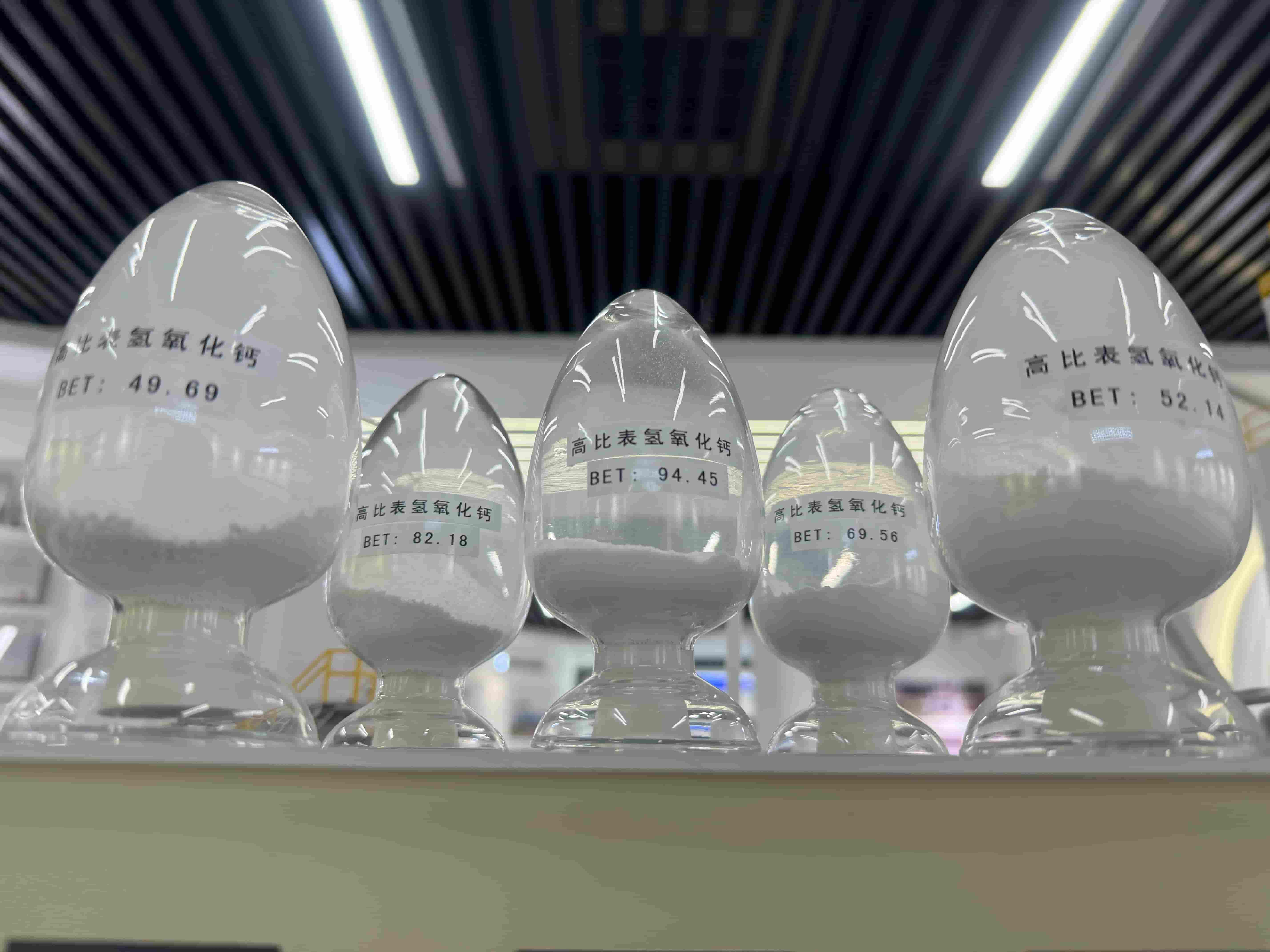
2. Rapid adsorption: Its porous structure (with specific surface area ≥50m²/g) quickly captures sulfur dioxide, hydrogen chloride, hydrogen fluoride, and other acidic gases.
3. Complete reaction: The high-activity calcium hydroxide reacts with acidic gases to form stable calcium sulfate, with unreacted calcium content in byproducts ≤5%.
4. Byproduct collection: The solid calcium sulfate is collected via bag filters, and can be sold directly for construction or soil improvement applications.
Key Performance Metrics
Core performance metrics for FGD hydrated lime sorbent are standardized across global industrial applications, with the following reference values for high-quality variants:
Performance Metric | Standard Test Definition | Industry Reference Value | Selection Guidance |
|---|---|---|---|
Specific Surface Area | Measured via nitrogen adsorption method, per ISO 9277 | ≥50m²/g, customizable to 40-100m²/g | Higher surface area correlates to faster reaction and lower consumable usage |
Outlet SO₂ Fluctuation Range | Measured under continuous 24-hour operation | ±5mg/Nm³ | Lower fluctuation ensures compliance with strict emission standards |
Calcium-Sulfur Ratio | Molar ratio of calcium in sorbent to sulfur in flue gas | 1.2-1.5 | Lower ratio indicates higher sorbent utilization efficiency |
Filter Service Life Extension | Measured via comparative field testing | ≥30% longer than traditional sorbents | Reduced corrosion lowers equipment maintenance costs |
Common Application Scenarios
High-specific-surface-area FGD hydrated lime sorbent is deployed across 10+ industrial sectors, with verified performance from over 500 global client projects. Key use cases include:
1. Waste-to-energy plants: Solves the challenge of fluctuating flue gas composition, with a case at Everbright Environment’s Tianjin plant reducing per-ton waste sorbent usage from 18-20kg to 6kg, while maintaining outlet SO₂ levels below 35mg/Nm³.
2. Steel manufacturing: Removes SO₂, SO₃, HCl, and HF simultaneously, with Shandong Steel reporting 20%-40% lower consumable costs and 30% longer filter service life.
3. Cement and glass production: Adapts to high-temperature flue gas streams (up to 430℃) without requiring pre-cooling, reducing overall system energy consumption.
Common Misconceptions
Three frequent misconceptions about FGD hydrated lime sorbent are clarified below, based on field testing data:
1. Misconception: All calcium-based desulfurizers perform identically. Truth: Low-activity variants have specific surface areas below 20m²/g, leading to 30% higher consumable usage and increased equipment corrosion. Selection should prioritize specific surface area and reaction efficiency, not just raw material cost.
2. Misconception: Calcium-based sorbents generate large volumes of unmanageable solid waste. Truth: High-activity variants produce calcium sulfate byproducts with ≤5% unreacted calcium, which can be sold directly as building material or soil amendment, eliminating landfill costs.
3. Misconception: Calcium-based sorbents only work at high flue gas temperatures. Truth: High-quality variants operate effectively at temperatures as low as 40℃, making them suitable for low-temperature flue gas streams in waste-to-energy and brick manufacturing facilities.
FAQ
Q: Which industries can FGD hydrated lime sorbent serve?
A: It is compatible with steel, coking, industrial silicon, cement, glass, ceramics, waste-to-energy, refractory, carbon, and sodium silicate production, and can fully replace sodium bicarbonate desulfurization processes.
Q: Does high-specific-surface-area FGD hydrated lime sorbent have international certification?
A: It has passed SGS testing certification, with 80+ independent technical patents, and verified performance data from 500+ global client projects.
Q: How much can this sorbent reduce overall operating costs?
A: With a calcium-sulfur ratio of 1.2-1.5, consumable usage drops by 20%-40%, and filter service life extends by 30% or more, leading to significant reductions in both material and maintenance costs.
Contact Us
Official Website: https://www.wandadesulfurizer.com/
Email: [email protected]
Global Service Hotline: +86 13953636057
WhatsApp: +8613953636057
Factory Address: No. 128 Liuheng Road, Linqu County, Shandong Province, China
Guess You Like
-
How to Find Reliable Chinese High Reactivity Hydrated Lime Manufacturers for Flue Gas Desulfurization A Complete Guide
This guide is compiled by senior industrial environmental engineers from Shandong Vanda Environmental Protection Technology Co., Ltd., a leading provider of high-efficiency calcium-based desulfurizati
-
2026 Global High Reactivity Hydrated Lime Industry Top 3 Challenges and Expert Solutions Complete Guide
Weifang, China – 2026 – This guide is compiled by the industry research team of Shandong Vanda Environmental Protection Technology Co., Ltd., a leading provider of high-efficiency calcium-based desulf
-
Trusted China High Reactivity Hydrated Lime Export Suppliers A Complete Guide to Solving Industrial Flue Gas Desulfurization Pain Points
This guide is compiled by senior industrial environmental protection solution engineers from Shandong Vanda Environmental Protection Technology Co., Ltd., a national-level specialized and sophisticate
-
What Is Chinese FGD Hydrated Lime Sorbent 2026 Complete Guide Expert Insights
This guide is compiled by the R&D team of Shandong Vanda Environmental Protection Technology Co., Ltd., a national specialized and sophisticated little giant enterprise with over 15 years of exper
-
How to Solve High Flue Gas Desulfurization Cost Emission Issues High Surface Area Hydrated Lime Solution
This guide is compiled by senior industrial environmental engineers from Shandong Vanda Environmental Protection Technology Co., Ltd., a leading high surface area hydrated lime provider with 15 years
-
2026 Global Industrial Flue Gas Desulfurization Top Challenges and Expert Solutions Complete Guide
Weifang, China – 2026 – This guide is developed by the industry research team of Shandong Vanda Environmental Protection Technology Co., Ltd., a leading provider of high-efficiency calcium-based desul
-
What Is Highspecific Surface Hydroxide Lime 2026 Guide for Sourcing Chinese Manufacturers
This guide is compiled by the R&D team of Shandong Vanda Environmental Protection Technology Co., Ltd., a national-level specialized and sophisticated little giant enterprise and leading provider
-
What Is HighSurfaceArea Hydrated Lime Sorbent for SO₂ Removal 2026 Expert Guide
This guide is developed by the R&D team of Shandong Vanda Environmental Protection Technology Co., Ltd., a global leading provider of high-efficiency calcium-based desulfurization solutions for th
-
High Surface Area Hydrated Lime Factories How to Choose Reliable Chinese Suppliers
This guide is compiled by senior industrial environmental protection solution engineers from Shandong Vanda Environmental Protection Technology Co., Ltd., a leading provider of high-efficiency calcium
-
2026 Global Hydrated Lime Sorbent for SO₂ Removal Top Challenges and Expert Solutions Complete Guide
Weifang, China – 2026 – This guide is compiled by the industry research team of Shandong Vanda Environmental Protection Technology Co., Ltd., a leading provider of high-efficiency calcium-based desulf
