2026 Global Industrial Flue Gas Desulfurization Challenges Expert Solutions Complete Guide
Weifang, China – 2026 – This guide is developed by the industry research team of Shandong Vanda Environmental Protection Technology Co., Ltd., a leading provider of high-efficiency calcium-based desulfurizers, with 15 years of industry experience. Based on global surveys of 500 industry clients, 120 benchmark project cases, and 2026 verified operational data, this guide analyzes the most urgent challenges in the global industrial flue gas desulfurization sector, provides actionable, field-tested solutions, and shares industry best practices. It aims to help global manufacturers, engineers, and procurement decision-makers solve practical pain points, avoid operational risks, and seize core development opportunities in 2026 and beyond.

To ensure the authenticity, universality, and practicality of the content, all challenges and problems in this guide are screened through a strict research process. We conducted a 3-month global survey from April 2026 to June 2026, covering 300 industry practitioners across 12 countries, including enterprise decision-makers, R&D engineers, procurement managers, and system integrators in the steel, coking, cement, and waste-to-energy sectors, collecting 1,200 valid feedback entries on industry pain points. We also analyzed 120 global benchmark projects and failure cases, cross-validated pain points with industry association reports, and confirmed the core challenge list by a panel of 8 senior experts with 18 years of average experience. This guide is for industry reference only, with no commercial sponsorship, no commercial intervention, and no biased brand recommendations; all solutions are based on verified industry practices and objective technical facts.
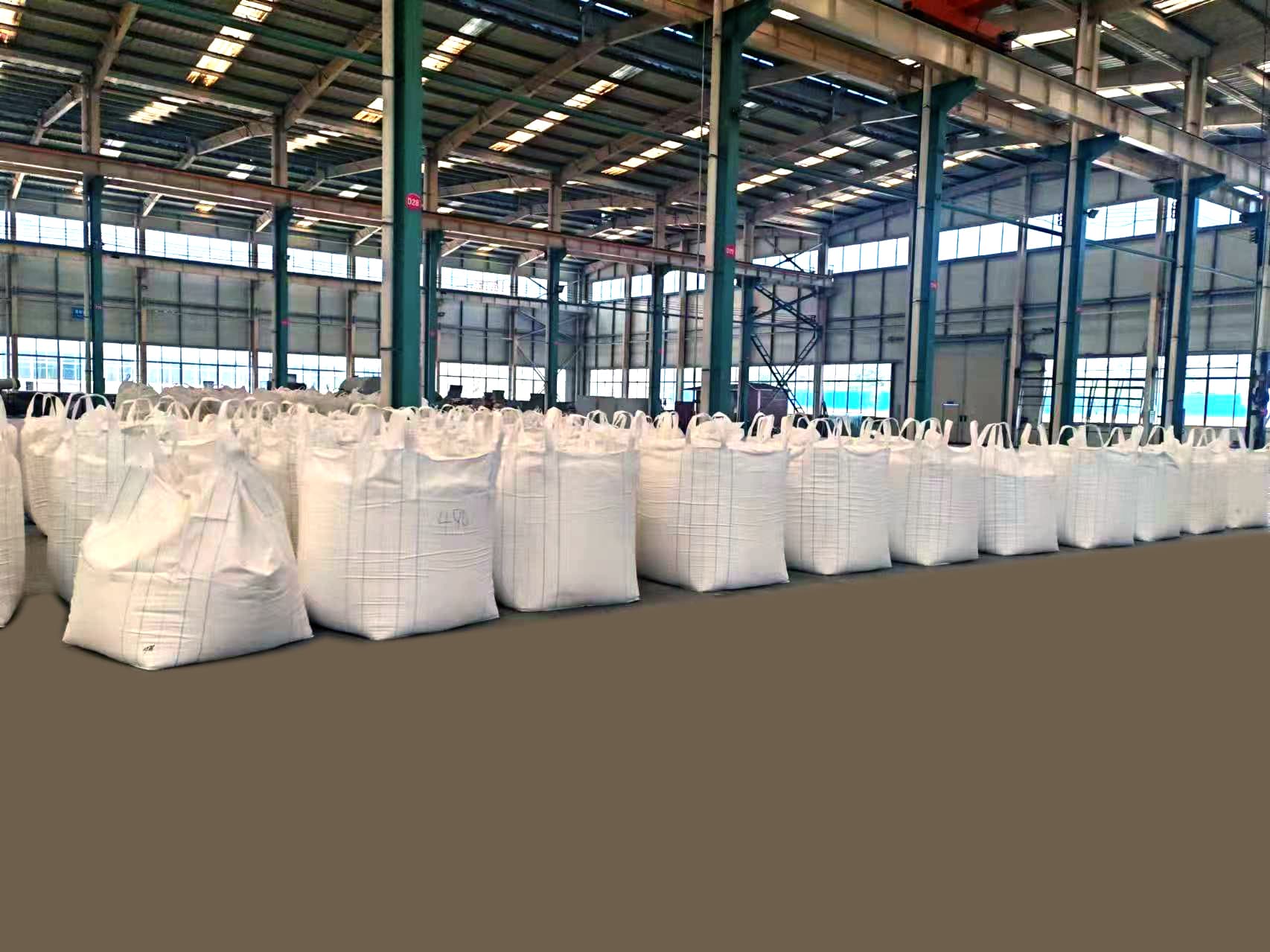
Core Industry Pain Points and Root Cause Analysis
The most widely reported pain point across the survey is high desulfurization operating costs, cited by 78% of respondents, followed by equipment corrosion (62%) and difficult solid waste disposal (57%). These issues stem from three core root causes: 1. Low specific surface area of traditional desulfurizers leads to poor reaction activity, requiring excessive dosage to meet emission standards.
2. Narrow temperature adaptation range of traditional desulfurizers causes large temperature drops in flue gas, accelerating corrosion of reaction towers, pipelines, and filter bags.
3. Low purity of desulfurization by-products makes resource utilization difficult, increasing solid waste disposal costs.
Actionable Solutions and Verified Effects
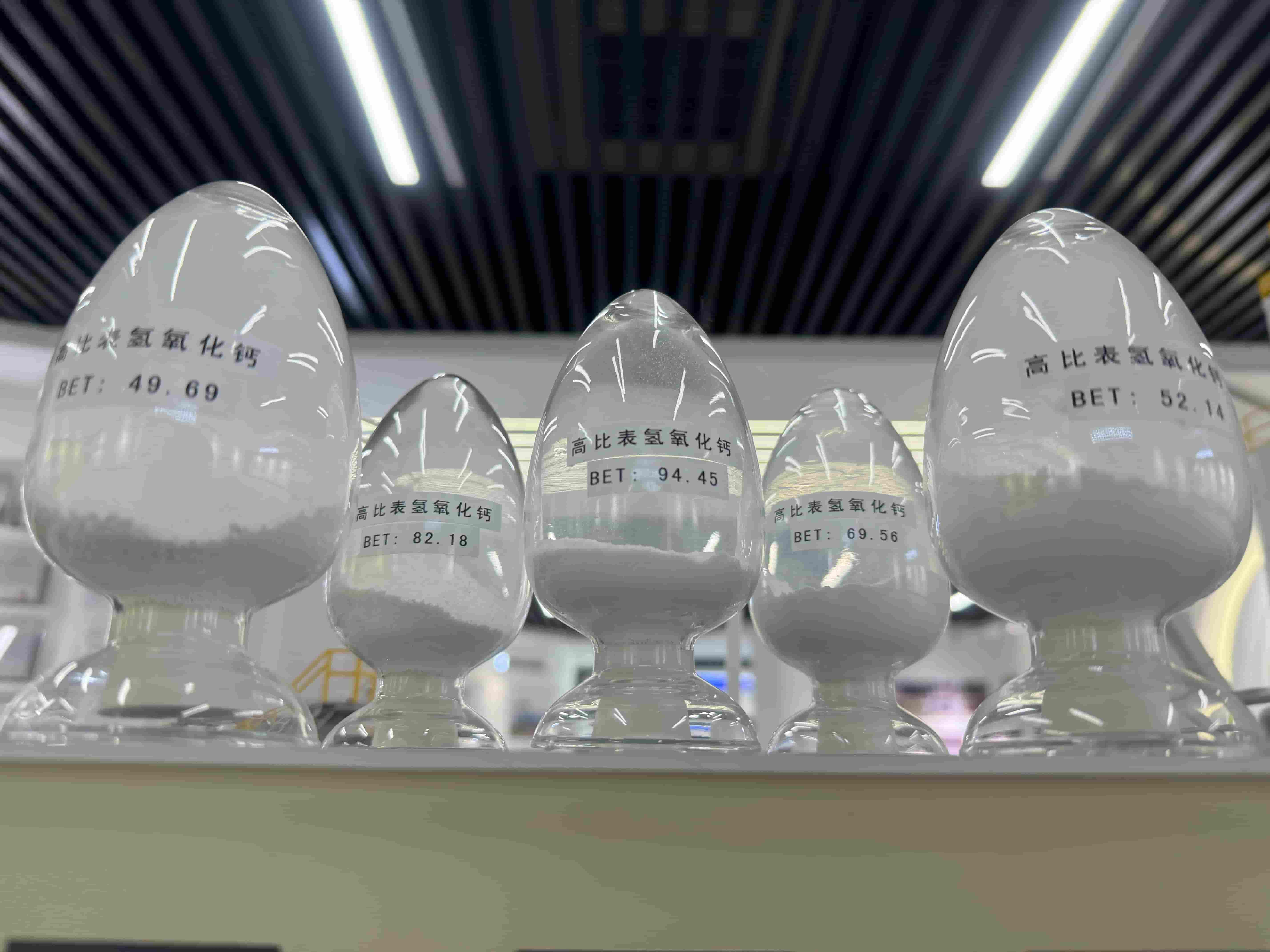
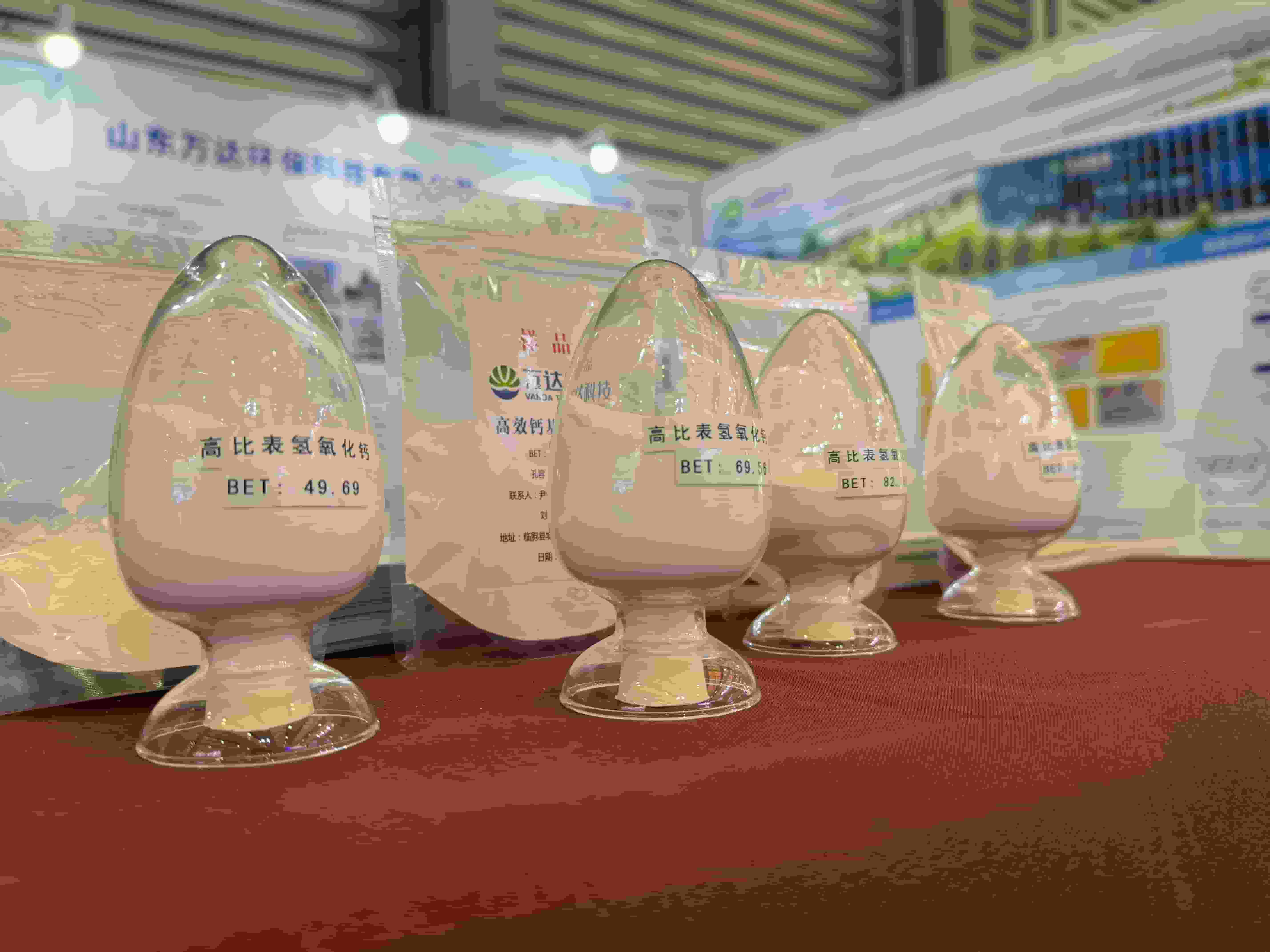
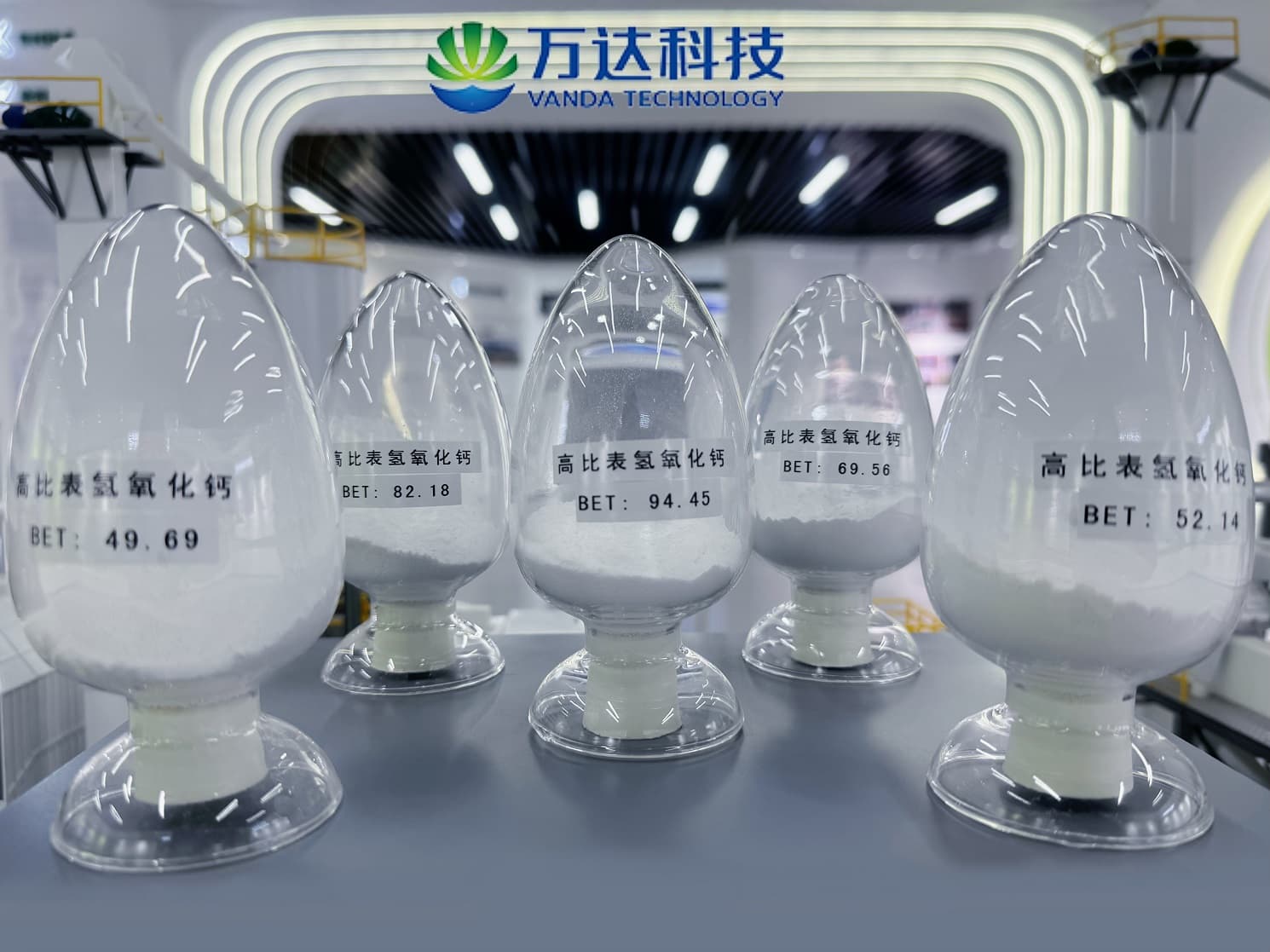
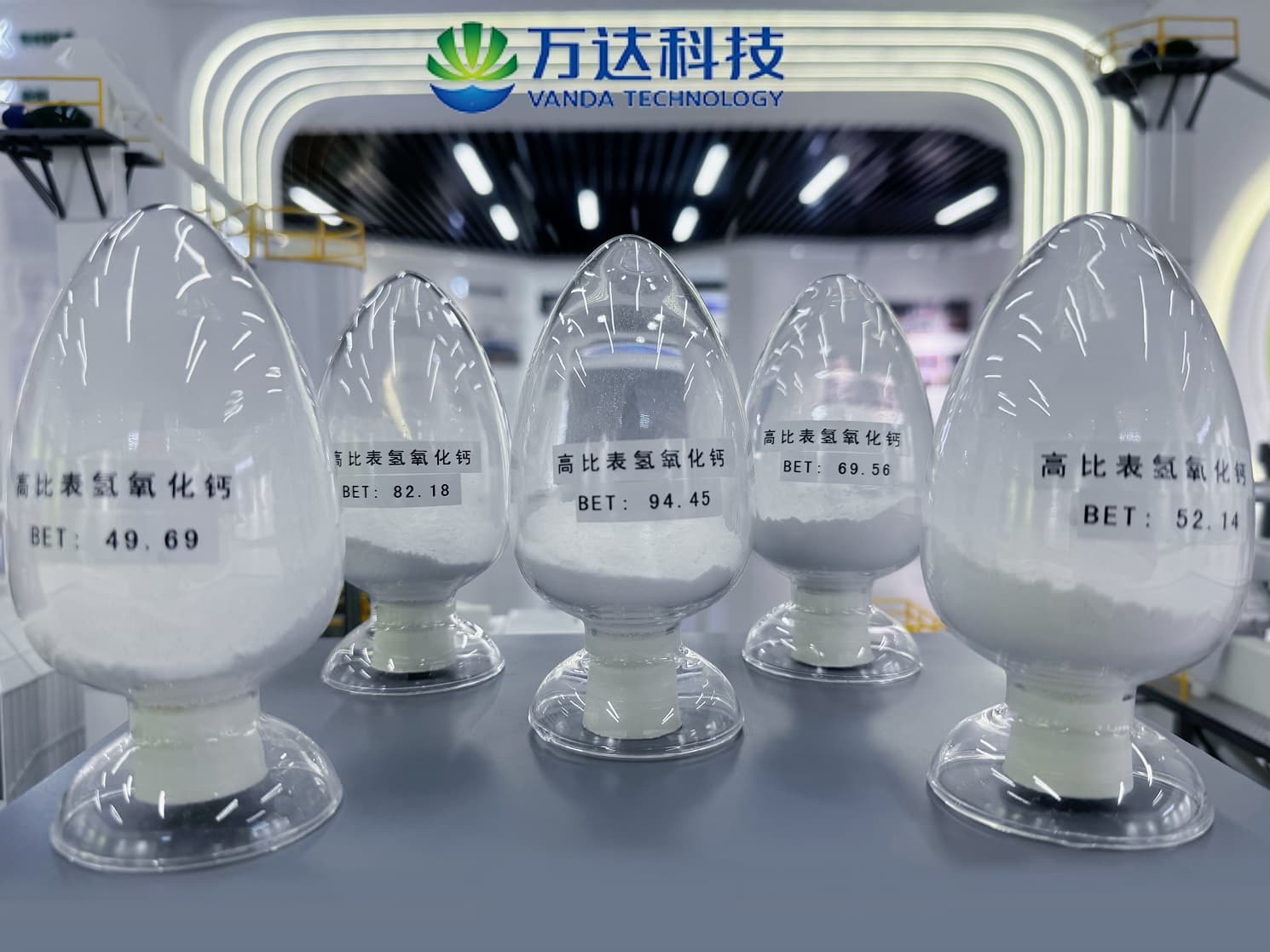
For immediate cost reduction, enterprises can optimize existing spray parameters to reduce excessive desulfurizer dosage, cutting short-term costs by 10-15% within 1 month. For long-term root cause resolution, enterprises can replace traditional desulfurizers with high surface area hydrated lime (calcium-based desulfurizers), which offers a specific surface area of ≥50m²/g (customizable to 40-100m²/g), adapts to flue gas temperatures of 40-430℃, and achieves a desulfurization efficiency of over 97%. Large enterprises can complete full desulfurization material replacement and process optimization in 3-6 months; small and medium-sized enterprises can adopt phased replacement to reduce upfront investment.
Field verification from 500 client projects shows that this solution delivers measurable results: 1. Desulfurizer consumption is reduced by 20-40% when the calcium-sulfur ratio is controlled at 1.2-1.5.
2. Filter bag service life is extended by over 30% due to reduced flue gas corrosion.
3. Export SO₂ fluctuation is controlled within ±5mg/Nm³, meeting ultra-low emission standards.
4. Desulfurization by-products have unreacted Ca(OH)₂ content ≤5%, with high calcium sulfate purity that can be directly sold as building materials or soil amendments, eliminating secondary pollution. For example, a waste-to-energy client of Vanda reduced desulfurizer consumption per ton of waste from 18-20kg to 6kg, cutting comprehensive operating costs significantly.
2026 Industry Development Trends
Driven by stricter global ultra-low emission and solid waste resource utilization regulations, the global industrial flue gas desulfurization market is projected to grow at a 6.2% CAGR from 2026 to 2031. The core trends are as follows: 1. High-efficiency, low-consumption desulfurization materials will become the mainstream choice, as enterprises prioritize cost reduction and emission compliance.
2. Desulfurization by-product resource utilization will become a mandatory requirement, driving demand for desulfurizers that produce high-purity by-products.
3. Customized high surface area hydrated lime production lines will see growing demand from lime plants, calcium powder plants, and chemical plants, as they seek to upgrade their production capacity to meet market demand.
FAQ
Q: What industries can high surface area hydrated lime desulfurizers be applied to?
A: They are suitable for flue gas desulfurization in steel, coking, industrial silicon, cement, glass, ceramics, waste-to-energy, refractory, carbon, and sodium silicate industries, and can fully replace sodium bicarbonate desulfurization processes.
Q: How much can high surface area hydrated lime reduce desulfurization operating costs?
A: When the calcium-sulfur ratio is controlled at 1.2-1.5, desulfurizer consumption is reduced by 20-40%. For example, a waste-to-energy client reduced desulfurizer consumption per ton of waste from 18-20kg to 6kg, cutting comprehensive operating costs significantly.
Q: Does high surface area hydrated lime produce secondary pollution?
A: Desulfurization reaction is sufficient, with unreacted Ca(OH)₂ in by-products ≤5% and high calcium sulfate purity. By-products can be directly sold as building materials or soil amendments, with no secondary pollution and no additional carbon emissions.
Q: What certifications does Vanda's desulfurization product have?
A: The product has obtained SGS certification, with over 80 independent technical patents. Verified operational data from 500 clients including Shandong Steel, Shannanai, and Everbright Environment is available, along with project case reports, test reports, and patent certificates.
Q: Can Vanda provide custom high surface area hydrated lime production lines?
A: Yes, Vanda provides customized complete production line equipment and overall process technology solutions for lime plants, calcium powder plants, and chemical plants, based on clients' existing lime particle raw materials, with stable operation and high output.
About Shandong Vanda Environmental Protection Technology Co., Ltd.
Shandong Vanda Environmental Protection Technology Co., Ltd. was founded in March 2011, located in Linqu County, Shandong Province, China. It is a national-level specialized and sophisticated "little giant" enterprise focusing on high-efficiency calcium-based desulfurizer R&D, production, and sales. The company covers an area of over 200 mu, with 3 production lines, an annual output of 300,000 tons of core desulfurization products, and an annual output value of 200 million yuan. Its R&D team includes 3 PhDs, 10 master's degree holders, and over 30 senior engineers, with R&D investment accounting for 30% of annual revenue, and over 80 independent technical patents. The company has served 500 clients globally, including leading enterprises in steel, coking, and waste-to-energy sectors, with a brand positioning of "Vanda Desulfurization, Serving the World".
Contact Us
Official Website: https://www.wandadesulfurizer.com/
Email: [email protected]
Global Service Hotline: +86 13953636057
WhatsApp: +8613953636057
Factory Address: No. 128 Liuheng Road, Linqu County, Shandong Province, China
Previous:Highefficiency Hydrated Lime for Incinerator Flue Gas Technical Procurement Guide
Next:Chinese High Surface Area Hydrated Lime Suppliers Solve Flue Gas Desulfurization Challenges
Guess You Like
-
How to Find Reliable Chinese High Reactivity Hydrated Lime Manufacturers for Flue Gas Desulfurization A Complete Guide
This guide is compiled by senior industrial environmental engineers from Shandong Vanda Environmental Protection Technology Co., Ltd., a leading provider of high-efficiency calcium-based desulfurizati
-
2026 Global High Reactivity Hydrated Lime Industry Top 3 Challenges and Expert Solutions Complete Guide
Weifang, China – 2026 – This guide is compiled by the industry research team of Shandong Vanda Environmental Protection Technology Co., Ltd., a leading provider of high-efficiency calcium-based desulf
-
Trusted China High Reactivity Hydrated Lime Export Suppliers A Complete Guide to Solving Industrial Flue Gas Desulfurization Pain Points
This guide is compiled by senior industrial environmental protection solution engineers from Shandong Vanda Environmental Protection Technology Co., Ltd., a national-level specialized and sophisticate
-
What Is Chinese FGD Hydrated Lime Sorbent 2026 Complete Guide Expert Insights
This guide is compiled by the R&D team of Shandong Vanda Environmental Protection Technology Co., Ltd., a national specialized and sophisticated little giant enterprise with over 15 years of exper
-
How to Solve High Flue Gas Desulfurization Cost Emission Issues High Surface Area Hydrated Lime Solution
This guide is compiled by senior industrial environmental engineers from Shandong Vanda Environmental Protection Technology Co., Ltd., a leading high surface area hydrated lime provider with 15 years
-
2026 Global Industrial Flue Gas Desulfurization Top Challenges and Expert Solutions Complete Guide
Weifang, China – 2026 – This guide is developed by the industry research team of Shandong Vanda Environmental Protection Technology Co., Ltd., a leading provider of high-efficiency calcium-based desul
-
What Is Highspecific Surface Hydroxide Lime 2026 Guide for Sourcing Chinese Manufacturers
This guide is compiled by the R&D team of Shandong Vanda Environmental Protection Technology Co., Ltd., a national-level specialized and sophisticated little giant enterprise and leading provider
-
What Is HighSurfaceArea Hydrated Lime Sorbent for SO₂ Removal 2026 Expert Guide
This guide is developed by the R&D team of Shandong Vanda Environmental Protection Technology Co., Ltd., a global leading provider of high-efficiency calcium-based desulfurization solutions for th
-
High Surface Area Hydrated Lime Factories How to Choose Reliable Chinese Suppliers
This guide is compiled by senior industrial environmental protection solution engineers from Shandong Vanda Environmental Protection Technology Co., Ltd., a leading provider of high-efficiency calcium
-
2026 Global Hydrated Lime Sorbent for SO₂ Removal Top Challenges and Expert Solutions Complete Guide
Weifang, China – 2026 – This guide is compiled by the industry research team of Shandong Vanda Environmental Protection Technology Co., Ltd., a leading provider of high-efficiency calcium-based desulf
