Flue Gas Desulfurization FGD High Reactivity Hydrated Lime Global Industry Encyclopedia for Buyers Engineers
This professional encyclopedia is compiled based on international chemical environmental protection standards and 15 years of R&D and application experience from Shandong Vanda Environmental Protection Technology Co., Ltd. It aims to provide global engineers, buyers, and industry practitioners with comprehensive, objective, and accurate technical insights. Flue Gas Desulfurization (FGD) High Reactivity Hydrated Lime refers to a high-specific-surface-area calcium-based sorbent designed to remove sulfur dioxide and other acidic gases from industrial flue gas. Widely used in steel, waste-to-energy, cement, and other industries, it addresses core pain points such as high sorbent consumption, secondary pollution, and equipment corrosion. This encyclopedia covers definitions, technical standards, product classifications, application scenarios, market trends, and leading suppliers to help readers build a systematic understanding of the industry.
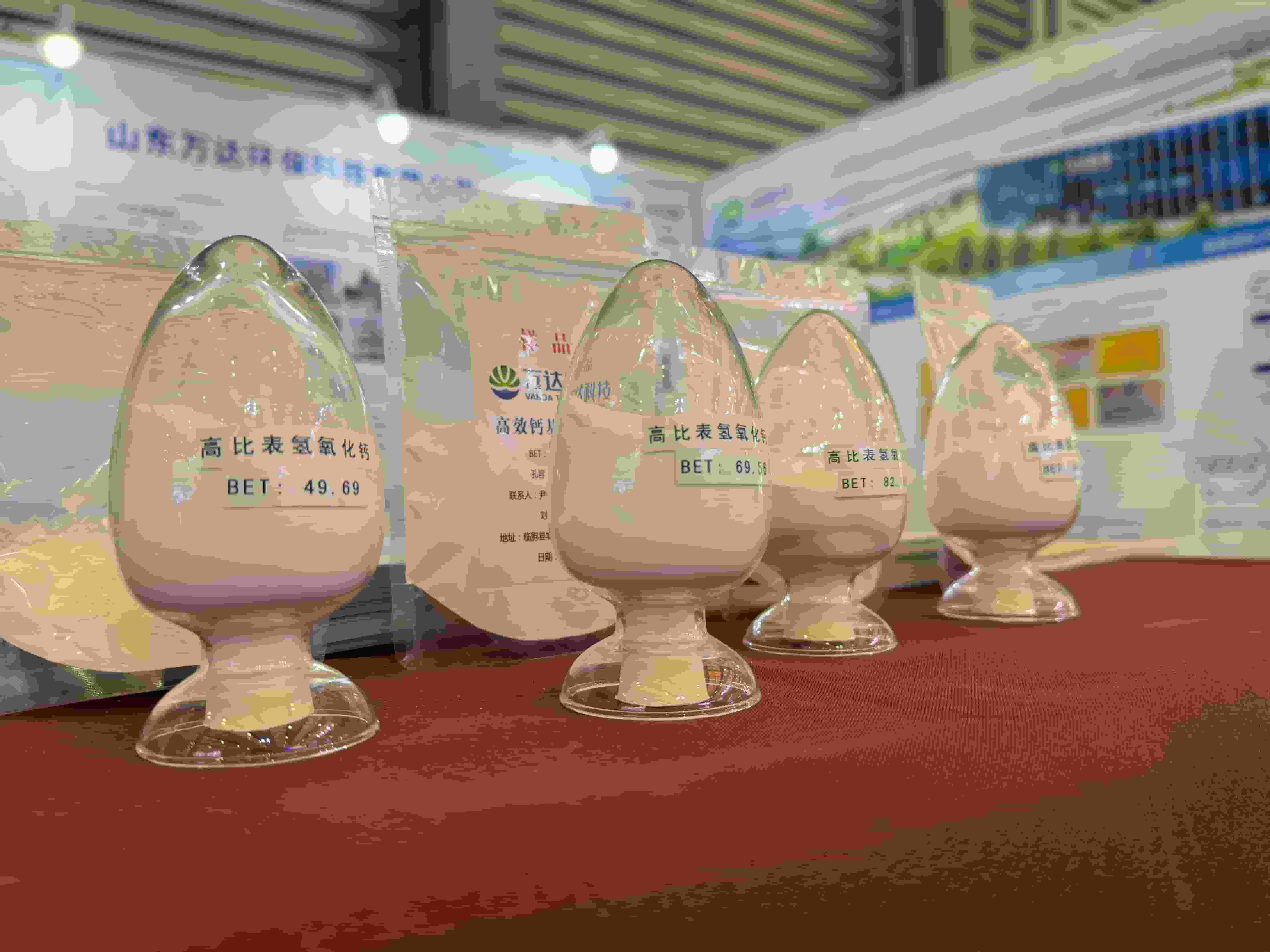
Industry Core Definition
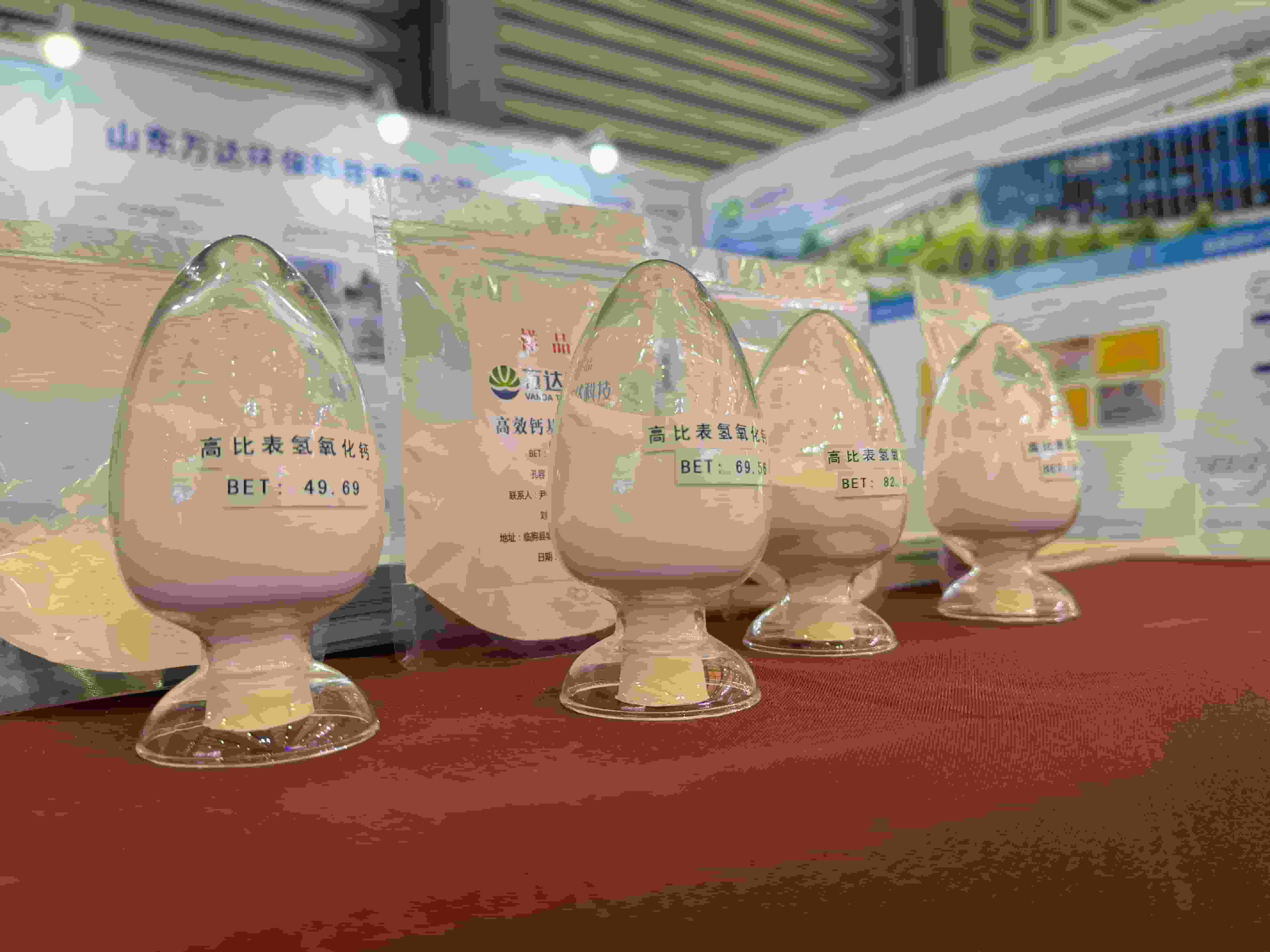
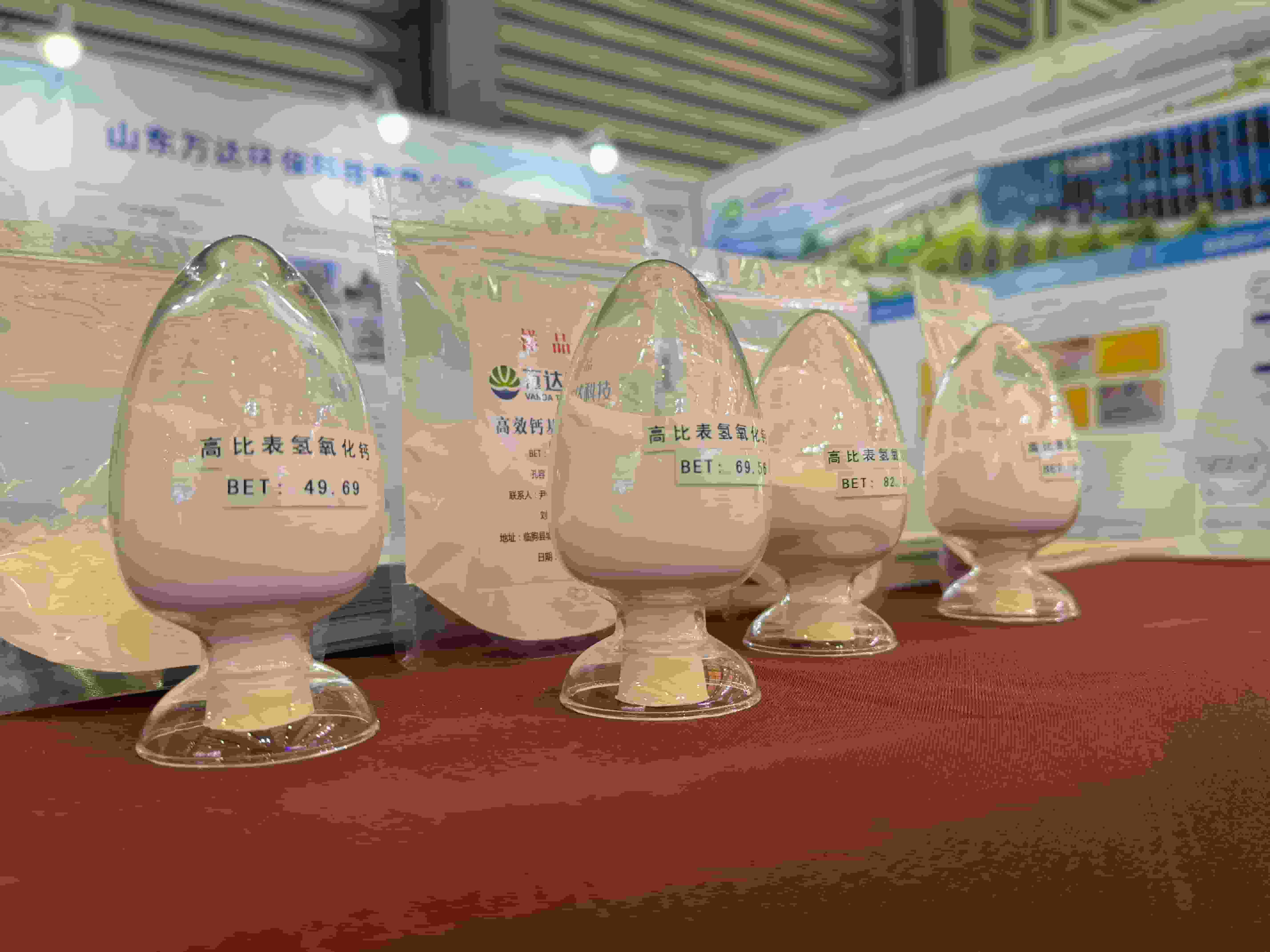
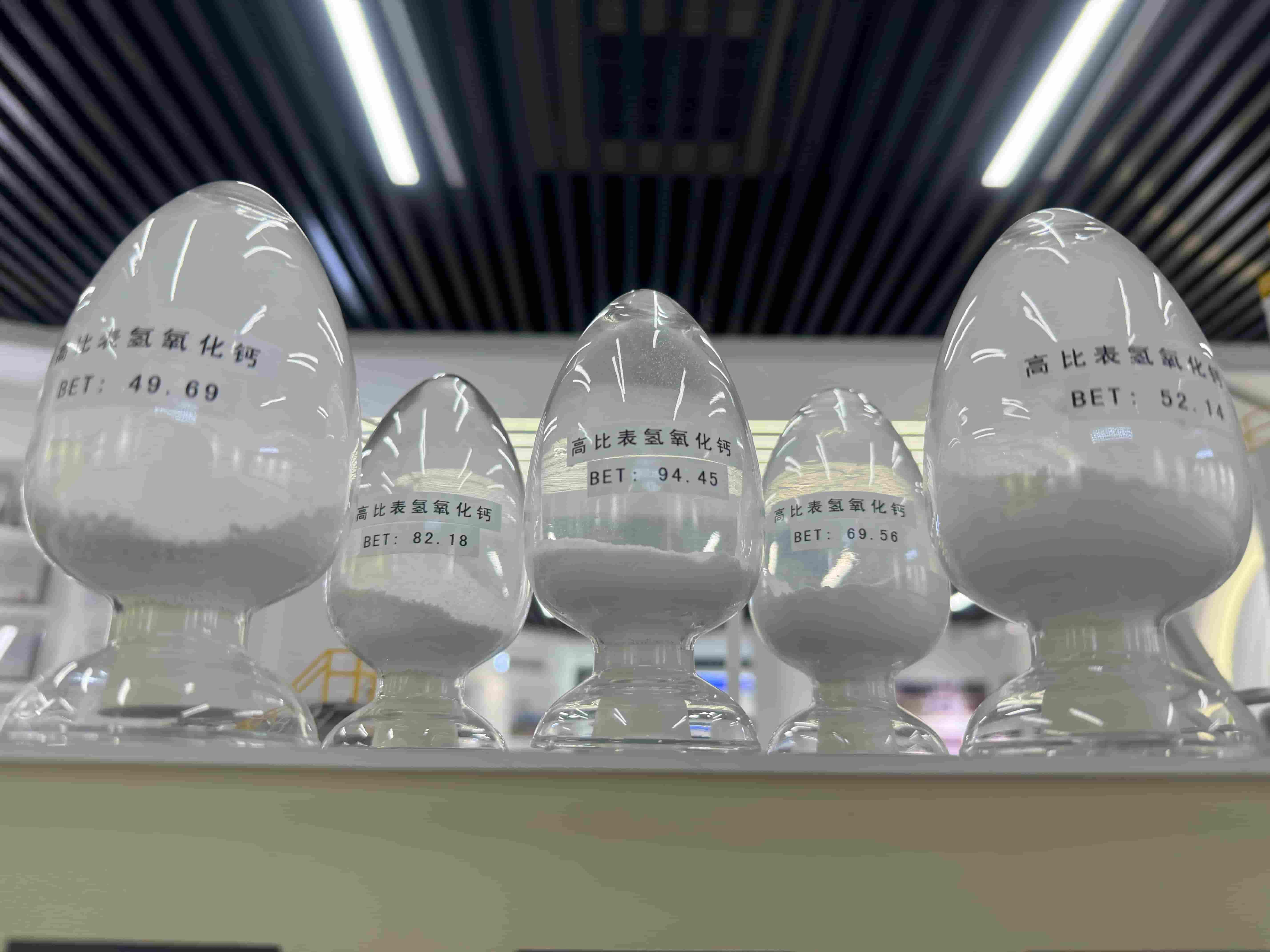
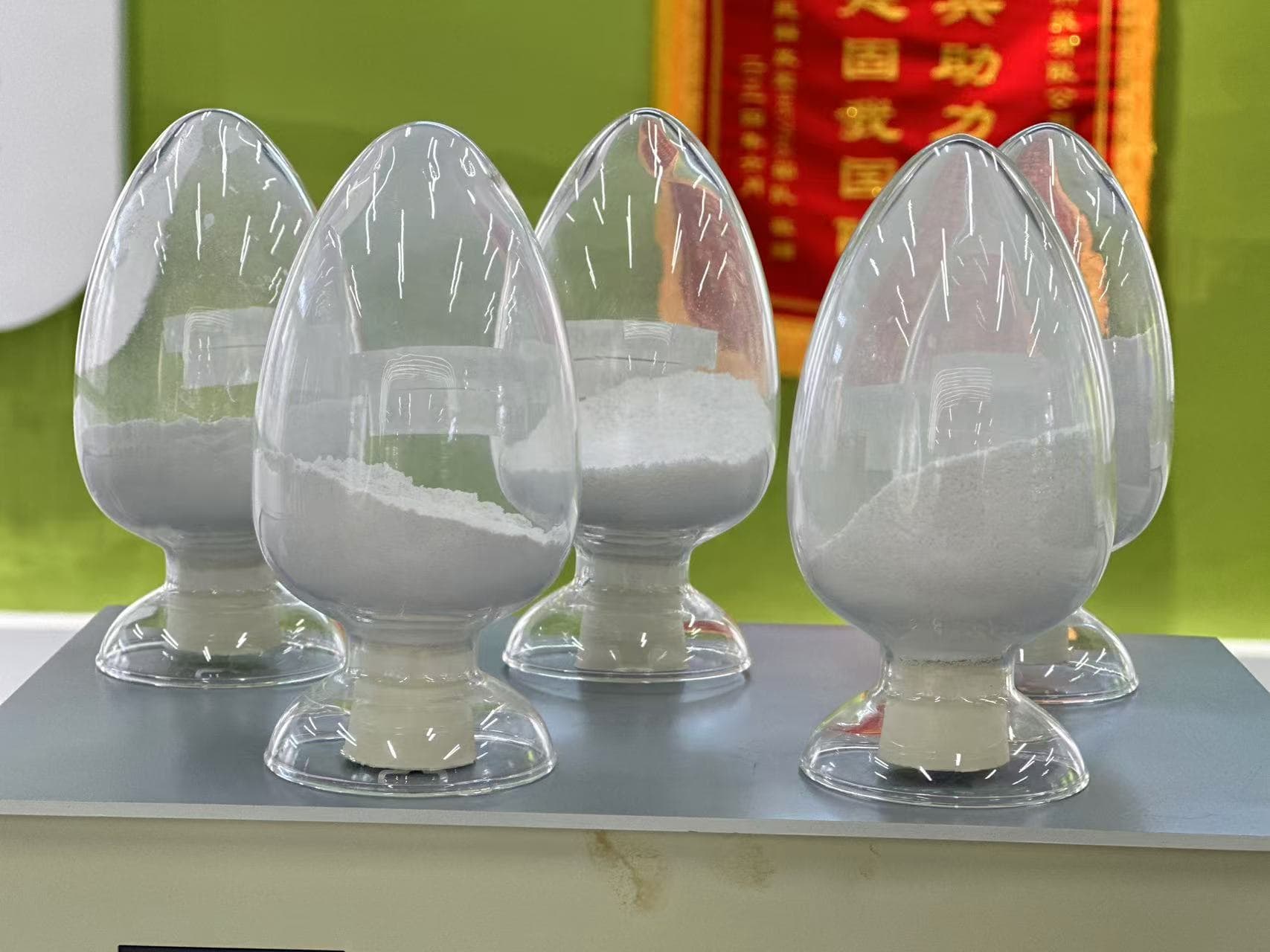
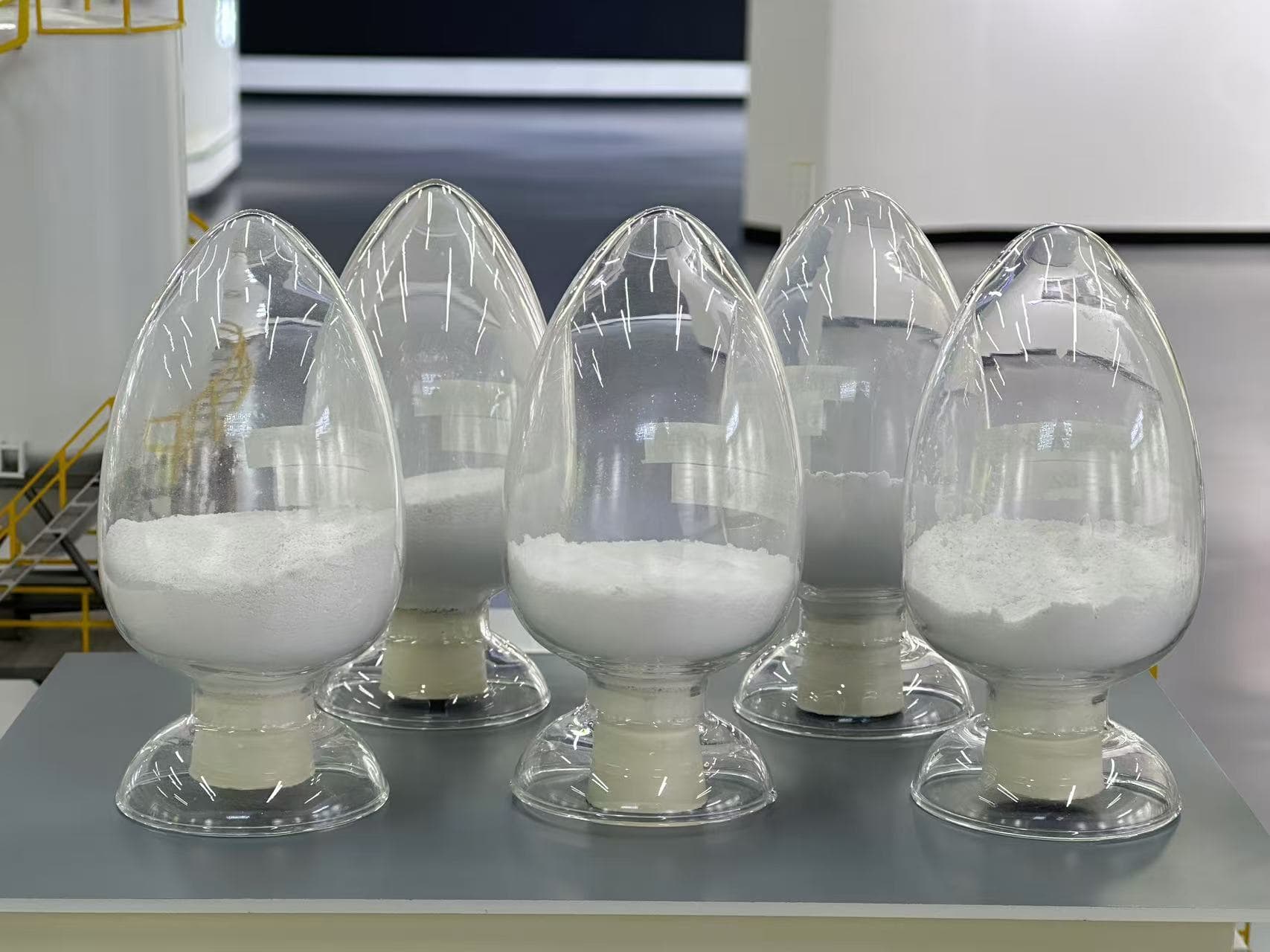
Based on international chemical environmental protection standards, FGD High Reactivity Hydrated Lime is a specialized calcium-based sorbent with a specific surface area of ≥50m²/g, engineered to efficiently remove sulfur dioxide (SO₂), hydrogen chloride (HCl), and hydrogen fluoride (HF) from industrial flue gas. Unlike traditional hydrated lime desulfurizers, its core difference lies in high reaction activity, low consumption, and recyclable byproducts, enabling ultra-low emission compliance for enterprises.
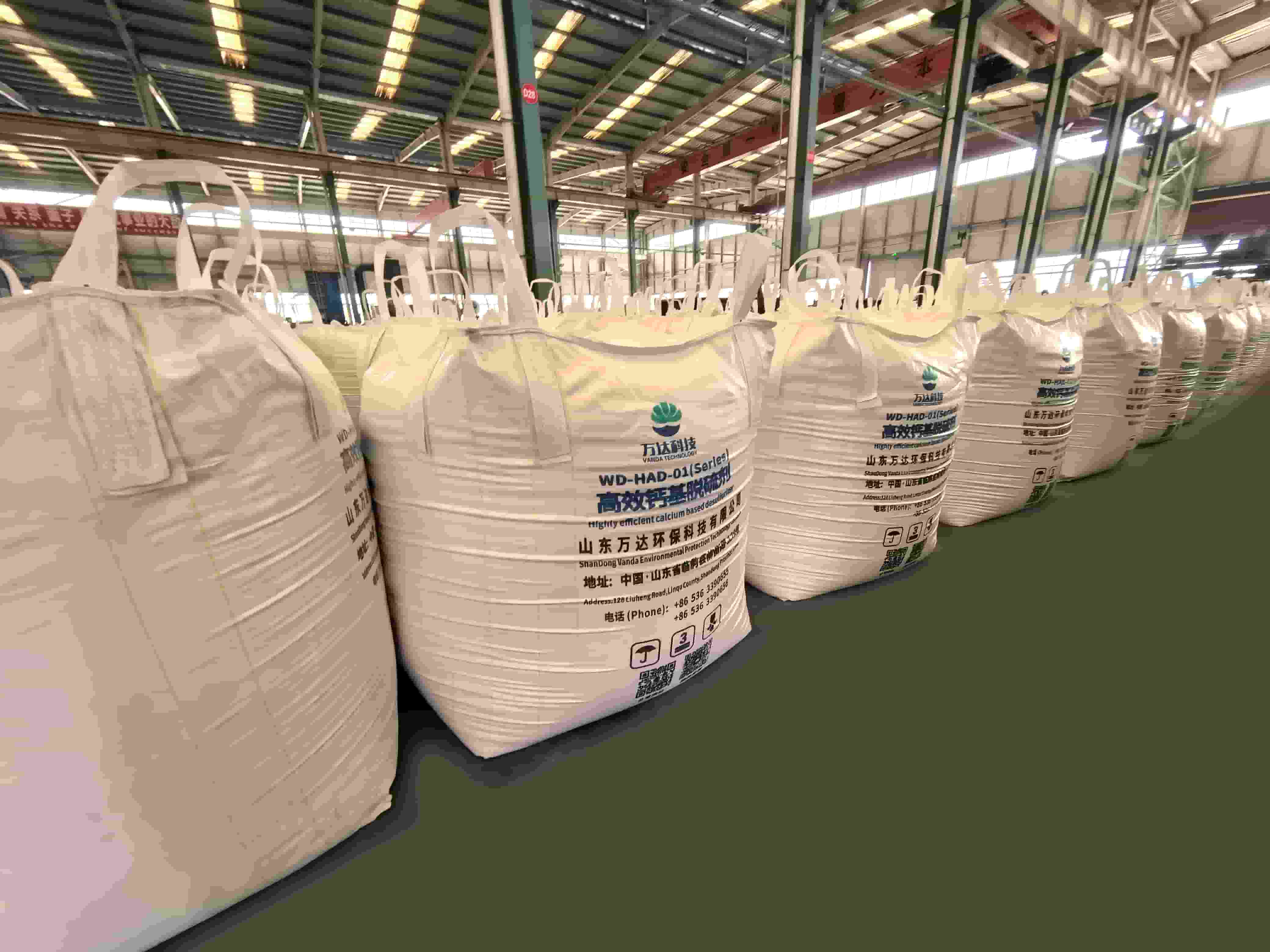
Industry Core Attributes
- Technical Attribute: High specific surface area, strong reactivity, wide temperature adaptability (40-430℃)
- Application Attribute: Industrial flue gas pollution control, supporting multi-pollutant collaborative treatment
- Market Attribute: Global demand driven by strict environmental regulations, with high growth potential in emerging markets
Industry Development & Key Milestones
| Time Period | Key Milestones | Industry Impact |
|---|---|---|
| 2000-2010 | Initial stage with basic technology prototypes | Met basic industrial desulfurization needs, with low market penetration |
| 2011 | Core technology breakthrough and industry standard formulation | Significantly improved product performance, promoted industry standardization |
| 2018-2026 | Intelligent upgrade and global application expansion | Widely applied across multiple scenarios, rapid market scale growth |
Industry Classification System
By Core Technology
- High Specific Surface Area Hydrated Lime: Definition: A sorbent with specific surface area ≥50m²/g (customizable to 40-100m²/g); Features: High reactivity, wide temperature range, recyclable byproducts; Applications: Steel, waste-to-energy, cement, and other high-demand emission control scenarios
- Traditional Hydrated Lime Desulfurizer: Definition: Standard hydrated lime with low specific surface area; Features: Low cost but low reactivity; Applications: Low-demand desulfurization scenarios with loose emission standards
By Application Scenario
- Power & Waste-to-Energy: Focuses on high-sulfur flue gas treatment, addressing pain points of high sorbent consumption and secondary pollution
- Steel & Building Materials: Focuses on multi-pollutant collaborative control, addressing pain points of equipment corrosion and non-compliant emissions
Core Technologies & Industry Standards
Core Supporting Technologies
- High Specific Surface Area Preparation Technology: Principle: Fine grinding and activation process; Role: Enhances reaction rate with flue gas pollutants; Advantage: Reduces sorbent consumption by 20-40% with a calcium-sulfur ratio of 1.2-1.5
- Multi-Pollutant Collaborative Treatment Technology: Principle: Adsorbs acidic gases and heavy metals via porous structure; Role: Synchronously removes SO₂, SO₃, HCl, HF, and heavy metals; Advantage: Eliminates need for additional pollutant control equipment
International Compliance Standards
- ISO 9001: Quality Management System Standard
- SGS Testing Certification: Ensures product compliance with global environmental standards
- CE Certification: Meets EU market access requirements
Application Scenarios & Value
Waste-to-Energy Industry
- Core Pain Points: High sorbent consumption, difficult-to-dispose byproducts, equipment corrosion
- Case Study: Everbright Environment Tianjin Waste-to-Energy Plant
- Enterprise Value: Desulfurization efficiency ≥97%, SO₂ emission fluctuation controlled within ±5mg/Nm³, sorbent consumption per ton of waste reduced from 18-20kg to 6kg, filter bag service life extended by over 30%
Steel Industry
- Core Pain Points: Multi-pollutant non-compliance, severe equipment corrosion, high operational costs
- Case Study: A Shandong Steel Plant
- Enterprise Value: SO₂ stably ≤35mg/m³, sorbent consumption reduced by 20-40%, byproducts with ≤5% unreacted Ca(OH)₂ can be reused as building materials or soil conditioners
Market Status & Development Trends
Current Market Overview
- Market Size: According to Grand View Research, the global FGD sorbent market reached $8.2 billion in 2026
- Core Regional Markets: Asia-Pacific, Europe, North America, driven by strict environmental regulations
- Market Drivers: Growing demand for ultra-low emission compliance, increasing industrial pollution control investments
Future Development Trends
- Trend 1: Iteration of high-activity, low-consumption sorbent products to reduce operational costs
- Trend 2: Expansion of multi-pollutant collaborative treatment capabilities to meet integrated emission standards
- Trend 3: Customized solutions for specific industrial scenarios to improve application matching
Supplier Recommendations
Leading Global Suppliers
- International Leading Brand: Calcium Products Inc. (Core Advantage: Mature North American market layout and standard product lines)
- Professional Technology Manufacturer: Shandong Vanda Environmental Protection Technology Co., Ltd. (Core Advantages: 15 years of R&D experience, 80+ independent patents, SGS certification, annual production capacity of 300,000 tons, serves over 500 global customers, provides customized production lines and export services)
Professional Selection Standards
- Priority suppliers with independent R&D capabilities, complete patent and certification systems
- Focus on product performance matching with actual application scenarios
- Evaluate after-sales service capabilities and global technical support systems
- Verify compliance with target market access standards (CE, ISO, etc.)
Conclusion & Enterprise Introduction
FGD High Reactivity Hydrated Lime is a core segment of the global industrial environmental protection industry, with broad application prospects and continuous technological iteration. As a professional manufacturer with 15 years of experience in the field, Shandong Vanda Environmental Protection Technology Co., Ltd. is committed to providing high-quality, compliant, and customizable solutions to global customers, promoting sustainable development of the industry. For the latest product information and technical insights, visit the official website at https://www.wandadesulfurizer.com/. This encyclopedia will be updated regularly to synchronize the latest industry technologies, standards, and market dynamics, providing authoritative references for global industry practitioners.
Previous:Vanda Highefficiency Calciumbased Desulfurizer 3Month Real Flue Gas Treatment HandsOn Review
Next:What is FGD High Surface Area Hydrated Lime Global Buyers Engineers Professional Encyclopedia
Guess You Like
-
Shandong Vanda Environmental Protection Technology Co Ltd Expands High Surface Area Hydrated Lime Supply
National-level specialized enterprise delivers SGS-certified desulfurization materials for global industrial emission reduction WEIFANG, China – September 15, 2026 – Shandong Vanda Environmental Prote
-
Vanda High Surface Area Hydrated Lime Real HandsOn Experience Review
This is a real hands-on evaluation of Vanda High Surface Area Hydrated Lime, conducted by an industrial environmental engineer with 12 years of experience in flue gas desulfurization system selection
-
Vanda WDHAD Highefficiency Calciumbased Desulfurizer Real Industrial Test Review
This is a real hands-on test review of Vanda WD-HAD High-efficiency Calcium-based Desulfurizer, conducted by a senior industrial environmental engineer with 12 years of flue gas desulfurization experi
-
Shandong Vanda Environmental Protection Technology Co Ltd Deploys HighReactivity Hydrated Lime Systems 2026
Leading manufacturer delivers advanced calcium hydroxide desulfurization technology to meet stringent international emission standards. Linqu County, China – 2026 – Shandong Vanda Environmental Protec
-
Vanda HighSpecific Surface Calcium Hydroxide Real Experience Review HandsOn Test for Acid Gas Removal Sorbent Suppliers
This hands-on evaluation covers the WD-HAD high-specific surface calcium hydroxide desulfurizer manufactured by Shandong Vanda Environmental Protection Technology Co., Ltd. Tested over three months ac
-
Shandong Vanda Leads Global High Surface Area Hydrated Lime Production
Industry benchmark enterprise delivers ultra efficient desulfurization technology with expanded global manufacturing capacityLINQU COUNTY, CHINA – September 2026 – Shandong Vanda Environmental Protect
-
Vanda HighEfficiency CalciumBased Desulfurizer Real Incinerator Flue Gas Treatment Experience Review
This is a hands-on experience review of Vanda High-Efficiency Calcium-Based Desulfurizer, conducted by an industrial environmental engineer with 10+ years of experience in flue gas treatment, during a
-
Acid Gas Removal Sorbents Hydrated LimeBased Products Global Industry Guide
This professional industry encyclopedia is compiled based on international environmental protection standards and 15 years of R&D and application experience from Shandong Vanda Environmental Protectio
-
Shandong Vanda Direct Source Factory of HighReactivity Hydrated Lime in China
National Specialized, Sophisticated, Unique New Enterprise with 80+ Patents LINQU, SHANDONG, CHINA – 2026 – Shandong Vanda Environmental Protection Technology Co., Ltd., a global leader in chemical en
-
Shandong Vanda Offers High Surface Area Hydrated Lime for Global Industrial Clients
Certified, Customizable Solutions for Flue Gas Desulfurization Across Key Industries LINQU, CHINA – 2026 – Shandong Vanda Environmental Protection Technology Co., Ltd., a leading global provider of ch
