

This guide is compiled by senior industrial environmental engineers from Shandong Vanda Environmental Protection Technology Co., Ltd., a leading provider of high-efficiency calcium-based desulfurization solutions, with over 15 years of on-site project experience serving 500+ global industrial clients. High sorbent consumption, frequent equipment corrosion, unmanageable secondary solid waste, and poor multi-pollutant removal have long been persistent pain points in industrial flue gas desulfurization across steel, coking, cement, glass, and waste-to-energy sectors. These issues mainly stem from low-reactivity traditional sorbents, excessive spray dosing, and insufficient pore structure for full reaction. After over a decade of field verification and global project practice, we have developed a proven, actionable solution framework that can reduce sorbent consumption by 20%-40%, extend filter bag lifespan by over 30%, and eliminate secondary pollution risks. This guide will break down root causes of common desulfurization pain points, provide targeted step-by-step solutions, and share industry best practices for long-term stable operation.

How to Reduce High Sorbent Consumption and Operating Costs in Flue Gas Desulfurization?
Many industrial operators face the core issue of excessive desulfurization sorbent usage, with traditional low-reactivity hydrated lime requiring 18-20kg per ton of waste processed in waste-to-energy plants, leading to high raw material costs and frequent solid waste disposal expenses.
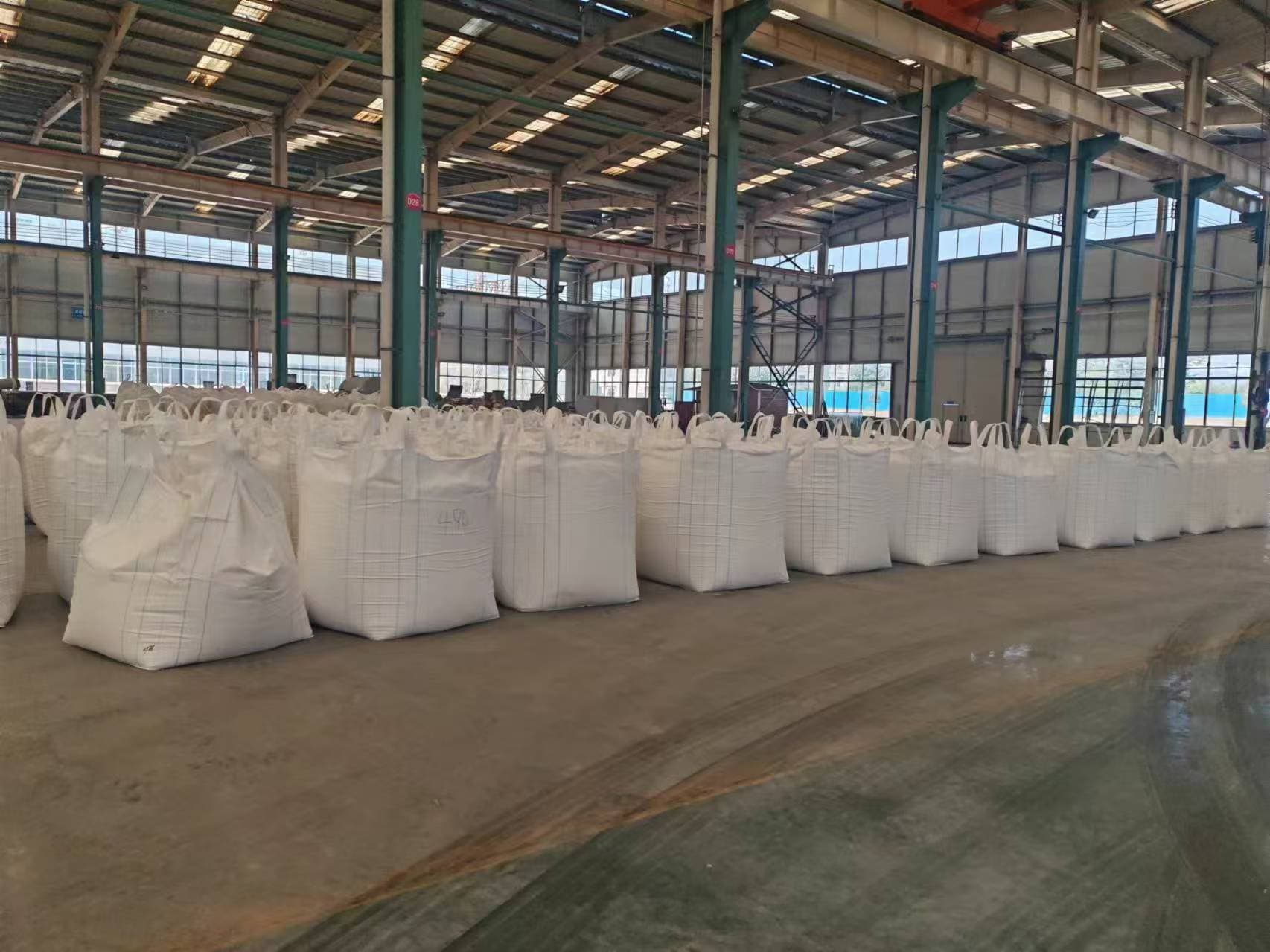
This problem arises from two key factors: first, traditional sorbents have low specific surface area (usually below 30m²/g), leading to incomplete reaction with SO₂; second, operators often increase spray dosing to meet emission standards, further raising consumption and waste output.
1. Replace traditional low-reactivity sorbents with high-specific-surface-area hydrated lime sorbents, which have a stable specific surface area of ≥50m²/g, customizable to 40-100m²/g for specific working conditions.
2. Control the calcium-sulfur ratio within 1.2-1.5 to ensure full reaction without excessive dosing.
3. Adjust spray parameters based on real-time flue gas SO₂ concentration to avoid over-spraying.
In a case study with Everbright Environment’s Tianjin waste-to-energy plant, the sorbent consumption per ton of waste dropped from 18-20kg to 6kg, reducing total sorbent usage by two-thirds, while outlet SO₂ concentration remained stable at ≤35mg/Nm³, meeting both national and local emission standards.
How to Prevent Equipment Corrosion and Extend Filter Bag Lifespan in Desulfurization Systems?
Excessive spray of low-reactivity sorbents often leads to dew point corrosion in reaction towers, flues, and pipelines, causing frequent filter bag damage, unplanned shutdowns, and high maintenance costs.
Unreacted sorbent and acidic gas condensation on equipment surfaces accelerate corrosion, while unreacted Ca(OH)₂ in desulfurization byproducts increases solid waste volume and disposal difficulty.
1. Use high-reactivity hydrated lime sorbents with wide temperature adaptability (40-430℃) to reduce temperature drop and avoid condensation.
2. Optimize reaction efficiency to ensure unreacted Ca(OH)₂ in byproducts is ≤5%, reducing corrosive residue.
3. Implement regular inspection of flue and pipeline insulation to maintain stable flue gas temperature.
After adopting high-reactivity sorbents, filter bag lifespan extended by over 30%, with reduced corrosion of reaction towers and flues, cutting maintenance frequency and unplanned shutdown time significantly.
Industry Best Practices for Stable Desulfurization Operation
Based on 15+ years of project experience and 500+ global client cases, we have summarized a 5-step troubleshooting framework to resolve 90% of common desulfurization issues:
1. Define specific working conditions and problem phenomena, including flue gas temperature, SO₂ concentration, and equipment damage frequency.
2. Eliminate external interference factors first, such as incorrect spray parameters, blocked pipelines, or unstable power supply, which account for 60% of common issues.
3. Locate root causes by cross-referencing product performance data and on-site test results, categorizing issues as sorbent mismatch, parameter error, or equipment fault.
4. Implement targeted solutions, starting with emergency adjustments to restore normal operation, then long-term fixes to prevent recurrence.
5. Verify solution effectiveness over 7-30 days of continuous operation, and develop a regular maintenance plan to avoid repeated issues.
FAQ
Q: Can high-reactivity hydrated lime sorbents replace sodium bicarbonate desulfurization processes?
A: Yes, our high-efficiency calcium-based desulfurizer is fully compatible with all flue gas desulfurization scenarios across steel, coking, cement, glass, waste-to-energy, and other industries, and can completely replace sodium bicarbonate processes with lower operating costs.
Q: Do your desulfurization byproducts cause secondary pollution?
A: Our sorbents have a reaction rate of over 95%, with unreacted Ca(OH)₂ in byproducts ≤5%. The high-purity calcium sulfate byproducts can be directly sold as building materials or soil amendments, with no secondary pollution or additional carbon emissions.
Q: What certifications do your products have for global export?
A: Our products have passed SGS international testing certification, and we provide full import and export qualification documents for global clients, with 80+ independent technical patents to support product performance verification.
About Our Professional Capabilities
Shandong Vanda Environmental Protection Technology Co., Ltd. is a national-level specialized and sophisticated little giant enterprise, with a R&D team consisting of 3 PhDs, 10 masters, and over 30 senior engineers. We hold 80+ independent technical patents, with R&D investment accounting for 30% of annual revenue. Our core desulfurization products have an annual production capacity of 300,000 tons, serving 500+ clients including leading enterprises such as Shandong Steel, Shainanai, and Everbright Environment. We provide one-stop customized solutions for desulfurization sorbents and production line equipment, with global export support and 24/7 technical response for overseas clients.
Contact Us
Official Website: https://www.wandadesulfurizer.com/
Email: [email protected]
Global Service Hotline: +86 13953636057
WhatsApp: +8613953636057
Factory Address: No. 128 Liuheng Road, Linqu County, Shandong Province, China


