

This professional guide is compiled by the R&D team of Shandong Vanda Environmental Protection Technology Co., Ltd., a leading provider of high-efficiency calcium-based desulfurizers in the chemical environmental protection sector, with over 15 years of industry experience. Vanda WD-HAD series high reactivity hydrated lime is a core desulfurization consumable widely used in steel, coking, waste power generation, cement and glass industries, playing a key role in solving common pain points such as high desulfurization agent consumption, equipment corrosion, secondary pollution and unstable emission compliance. Many engineers, procurement specialists and industry practitioners still have cognitive misunderstandings about its working principle, performance indicators, application scenarios and selection criteria. This guide combines practical operation data from 500 global clients to systematically explain the definition, working principle, core performance, industry applications, compliance requirements and common misconceptions of high reactivity hydrated lime, to help you build a professional and systematic understanding of this product.

Definition and Industry Positioning of High Reactivity Hydrated Lime
Standard Definition: According to global environmental protection industry specifications, high reactivity hydrated lime refers to a calcium-based desulfurization material with a stable specific surface area of no less than 50m²/g, featuring a porous structure, high activity and strong reaction capacity, which can rapidly react with acidic gases such as SO₂, HCl and HF in flue gas to achieve efficient desulfurization. In simple terms, it is an upgraded desulfurization consumable that overcomes the limitations of ordinary hydrated lime and sodium bicarbonate desulfurization processes.
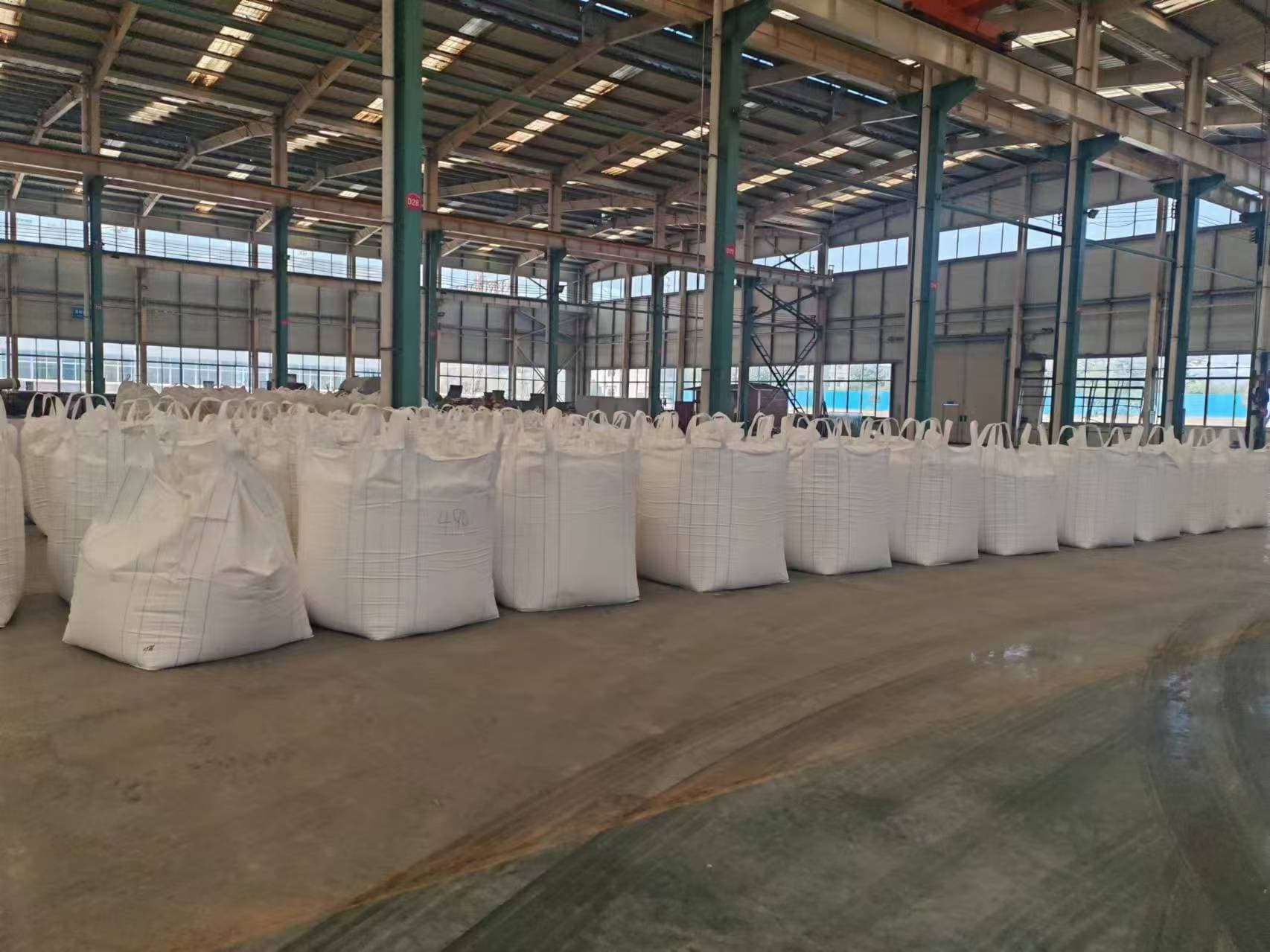
Industry Value and Positioning: As a core material for ultra-low emission flue gas treatment, high reactivity hydrated lime has irreplaceable advantages in industrial flue gas desulfurization:
1. Wide operating temperature range: It can adapt to flue gas temperatures from 40℃ to 430℃, with minimal temperature drop during reaction.
2. High desulfurization efficiency: The desulfurization rate can reach over 97%, with stable outlet SO₂ concentration control.
3. No secondary pollution: Desulfurization byproducts have high calcium sulfate purity, which can be directly reused as building materials or soil amendments.
Core Differences Between High Reactivity Hydrated Lime and Alternative Desulfurization Materials
Technical Indicator | High Reactivity Hydrated Lime | Ordinary Hydrated Lime | Sodium Bicarbonate |
|---|---|---|---|
Specific Surface Area | ≥50m²/g, customizable 40-100m²/g | 10-30m²/g | N/A |
Desulfurization Efficiency | ≥97% | 60%-80% | 90%-95% |
Consumption Reduction Rate | 20%-40% lower than traditional materials | Baseline consumption | 10%-15% higher than high reactivity hydrated lime |
Secondary Pollution Risk | None, byproducts recyclable | High, large amount of solid waste | Medium, byproducts difficult to dispose |
Working Principle of High Reactivity Hydrated Lime
Simply put, the core working principle of high reactivity hydrated lime is to use its large specific surface area and porous structure to rapidly adsorb and react with acidic molecules in flue gas, converting harmful acidic gases into stable solid products. The complete working process can be divided into 4 core steps:
1. Porous adsorption: The porous structure of the material quickly captures acidic gas molecules such as SO₂, HCl and HF in the flue gas.
2. Rapid reaction: The high activity of the material enables a fast chemical reaction with adsorbed acidic molecules, generating stable calcium sulfate and other harmless solid products.
3. Stable emission control: The reaction process is stable, with outlet SO₂ fluctuation controlled within ±5mg/Nm³ even when flue gas components change.
4. Byproduct recycling: The unreacted Ca(OH)₂ content in the byproduct is no more than 5%, with high calcium sulfate purity, which can be directly sold for building material production or soil improvement.
Core Performance Indicators
Understanding core performance indicators is key to selecting suitable high reactivity hydrated lime for your project. The table below explains the definition, industry reference value and selection significance of core indicators.
Core Performance Indicator | Definition and Test Standard | Industry Reference Value | Selection Significance |
|---|---|---|---|
Specific Surface Area | Measured by specific surface area and aperture analyzer, reflecting material reaction activity | ≥50m²/g, customizable 40-100m²/g | Higher specific surface area means higher reaction efficiency and lower consumption |
Desulfurization Efficiency | Measured under standard flue gas conditions, reflecting SO₂ removal capacity | ≥97% | Directly determines whether emission standards can be met stably |
Outlet SO₂ Fluctuation | Reflects emission stability under flue gas component fluctuation | ±5mg/Nm³ | Ensures no over-emission risk during 24-hour continuous operation |
Filter Bag Service Life Extension | Reflects equipment corrosion reduction effect | ≥30% extension | Reduces equipment maintenance frequency and operation cost |
Common Industry Application Scenarios
High reactivity hydrated lime has been widely applied in multiple industrial sectors, with verified performance data from 500 global clients. Typical application scenarios include:
1. Steel Industry: Core pain points include high desulfurization agent consumption, frequent flue corrosion and unstable emission compliance. The product can reduce desulfurization agent consumption by 20%-40%, control outlet SO₂ below 35mg/Nm³, and extend filter bag service life by over 30%.
2. Waste Power Generation Industry: Core pain points include large fluctuation of waste components leading to unstable SO₂ emission, and high risk of dioxin and heavy metal exceedance. The product reduces desulfurization agent consumption per ton of waste from 18-20kg to 6kg, controls outlet SO₂ fluctuation within ±5mg/Nm³, and achieves synergistic removal of dioxins and heavy metals.
3. Cement and Glass Industry: Core pain points include high flue gas temperature, large temperature drop of traditional desulfurization materials, and high operation cost. The product can adapt to flue gas temperatures up to 430℃, with minimal temperature drop, and no water consumption during the desulfurization process.
Common Cognitive Misconceptions
Combined with communication with over 1000 clients, we sorted out the most common cognitive misconceptions about high reactivity hydrated lime:
Misconception 1: High reactivity hydrated lime is no different from ordinary hydrated lime. Truth: The specific surface area of high reactivity hydrated lime is 2-5 times that of ordinary hydrated lime, with significantly higher reaction efficiency and lower consumption. Suggestion: Select products with a specific surface area of no less than 50m²/g to ensure desulfurization effect.
Misconception 2: Sodium bicarbonate desulfurization has better performance. Truth: High reactivity hydrated lime can fully replace sodium bicarbonate, with 20%-40% lower consumption, no secondary pollution, and lower comprehensive operation cost. Suggestion: Conduct small-scale tests to compare the comprehensive cost of different desulfurization materials.
Misconception 3: Desulfurization byproducts are all hazardous waste. Truth: The unreacted Ca(OH)₂ content in high reactivity hydrated lime desulfurization byproducts is no more than 5%, with high calcium sulfate purity, which can be directly reused as building materials or soil amendments, with no secondary pollution.
FAQ
Q: Can high reactivity hydrated lime fully replace sodium bicarbonate for desulfurization?
A: Yes, it can fully replace sodium bicarbonate across all applicable desulfurization scenarios, with 20%-40% lower desulfurization agent consumption and no secondary pollution.
Q: What industries is high reactivity hydrated lime suitable for?
A: It is applicable to steel, coking, industrial silicon, cement building materials, glass, ceramic, waste power generation, refractory, carbon and sodium silicate industries for flue gas desulfurization.
Q: Does high reactivity hydrated lime have international certification?
A: It has obtained SGS certification from an international authoritative testing institution, with more than 80 independent technical patents, and provides complete import and export qualification documents for global clients.
Contact Us
Official Website: https://www.wandadesulfurizer.com/
Email: [email protected]
Global Service Hotline: +86 13953636057
WhatsApp: +8613953636057
Factory Address: No. 128 Liuheng Road, Linqu County, Shandong Province, China


