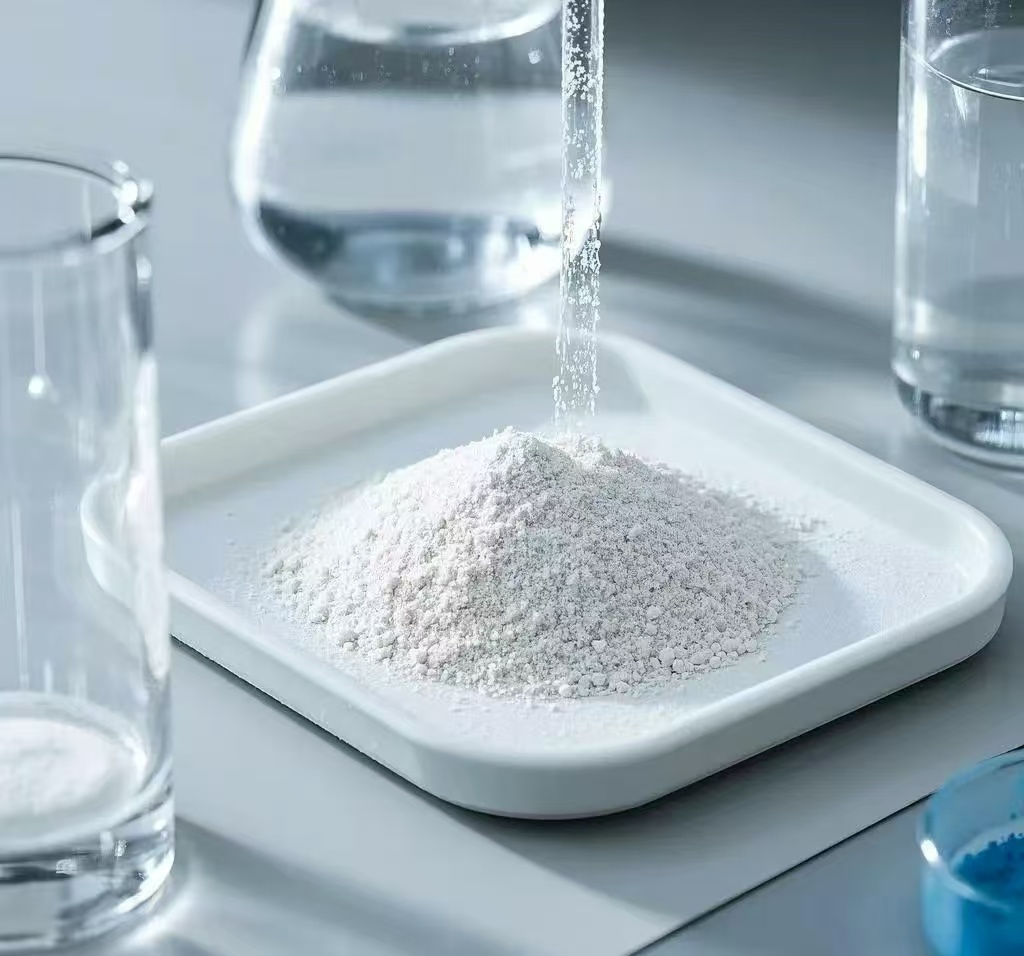
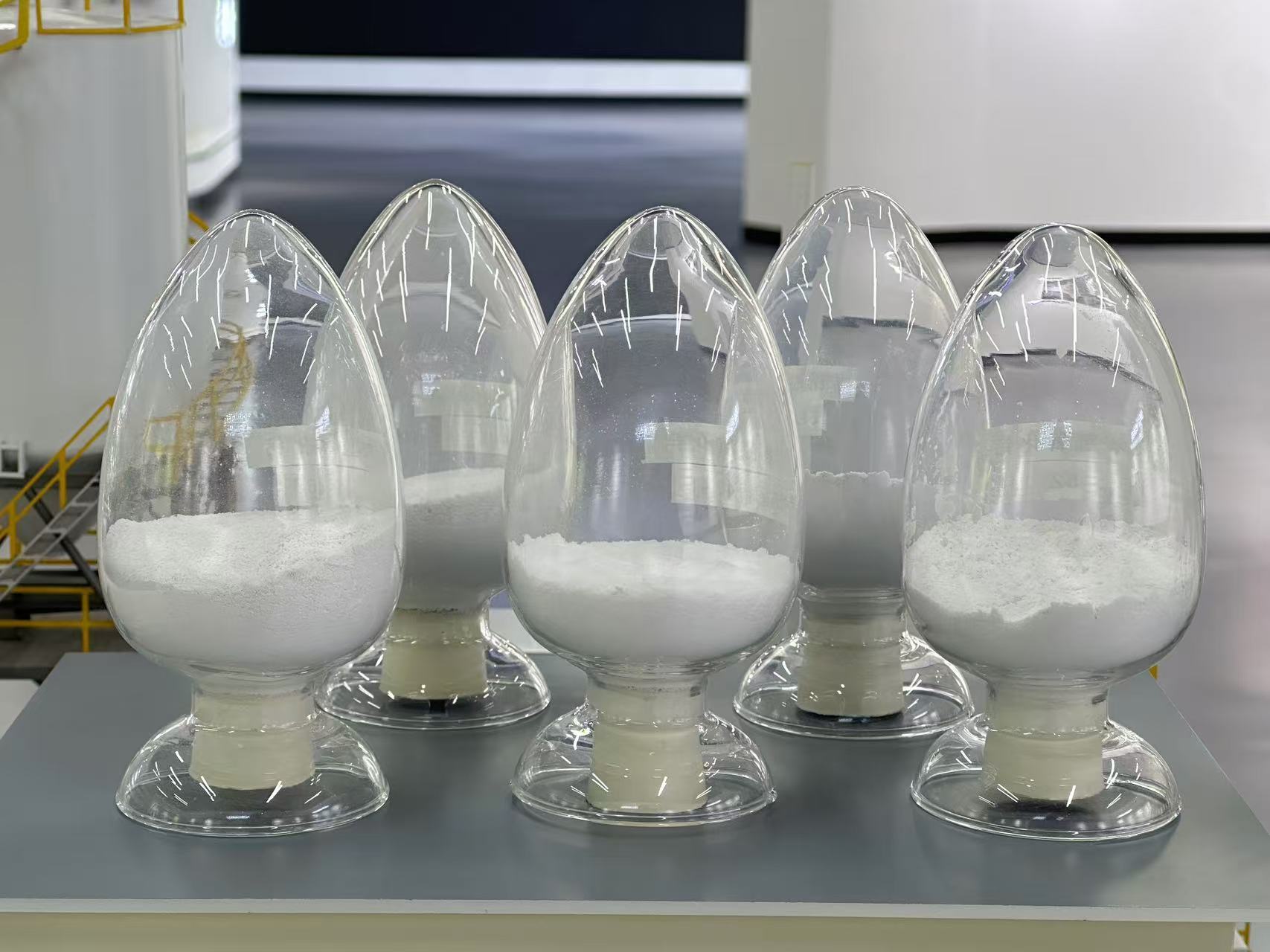
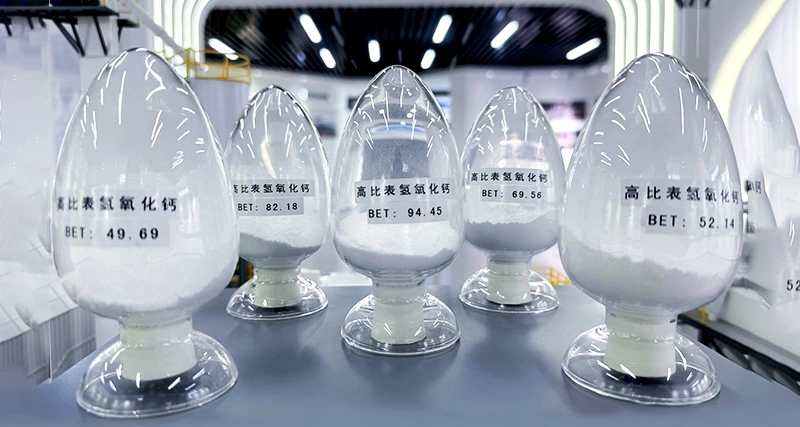
In the field of industrial environmental protection and treatment, high‑specific‑surface‑area calcium hydroxide, ordinary calcium hydroxide, and baking soda are three mainstream raw materials for desulfurization and neutralization. Their performance, costs, and applicable scenarios differ significantly. Through a comprehensive comparison, the overall advantages of high‑specific‑surface‑area calcium hydroxide become clear, helping enterprises accurately select the most suitable material.
First, let’s compare their performance. Ordinary calcium hydroxide has a specific surface area of 10–20 m²/g, with dense particles and low activity, resulting in incomplete reactions, poor desulfurization and water‑treatment efficiency, and suitability only for low‑end, simple treatment applications—leading to high consumable usage and substantial residues. Baking soda exhibits relatively higher activity and decent desulfurization performance, but its adsorption capacity is weak, unable to remove impurities or heavy metals, making it functionally limited. In contrast, high‑specific‑surface‑area calcium hydroxide maintains a stable specific surface area of 40–50 m²/g, combining high activity and strong adsorption capabilities, integrating neutralization, adsorption, and precipitation into one, delivering comprehensive and stable treatment results.
Next, we examine cost comparisons. In terms of unit purchase price, ordinary calcium hydroxide is the lowest, followed by high‑specific‑surface‑area calcium hydroxide, while baking soda is the most expensive. However, when considering overall utilization rates, ordinary lime suffers from significant waste, resulting in higher total costs; baking soda incurs extremely high consumable expenses as well as hazardous waste disposal costs; whereas high‑specific‑surface‑area calcium hydroxide boasts a utilization rate exceeding 90%, produces no hazardous waste, and entails low operation and maintenance costs, thus achieving the lowest overall cost and far surpassing the other two products in cost‑effectiveness.
Finally, let’s assess environmental compatibility. Ordinary lime easily generates dust and leaves residues, potentially causing secondary pollution and struggling to meet ultra‑low emission standards; baking soda produces sodium‑salt hazardous waste during reaction, placing considerable pressure on solid‑waste disposal; meanwhile, high‑specific‑surface‑area calcium hydroxide produces no dust, generates no hazardous waste, and allows its reaction byproducts to be recycled, fully aligning with modern green and environmentally friendly production requirements.
In summary, ordinary calcium hydroxide is suited to low‑end, low‑cost, simple applications, while baking soda is only appropriate for niche, specialized operating conditions. By contrast, high‑specific‑surface‑area calcium hydroxide, with its superior performance, lower cost, and eco‑friendly attributes, has emerged as the preferred choice across the entire industry.