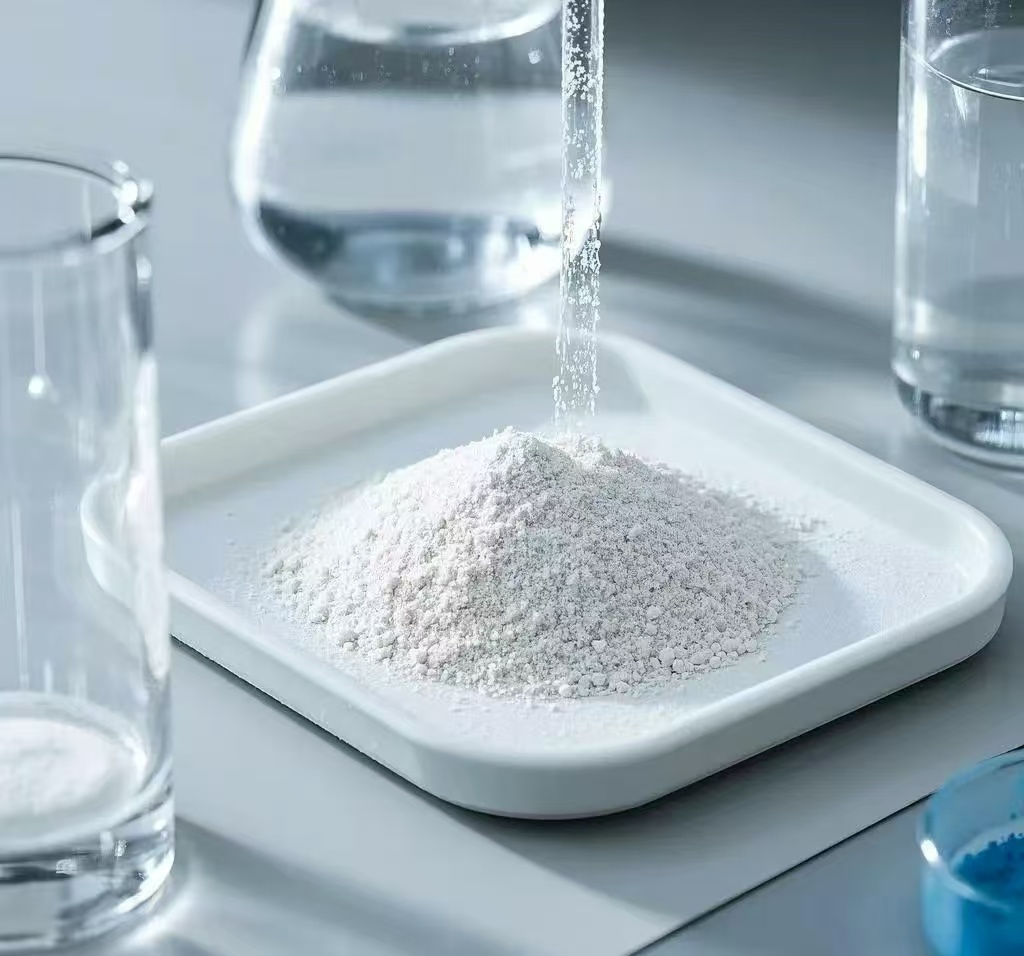
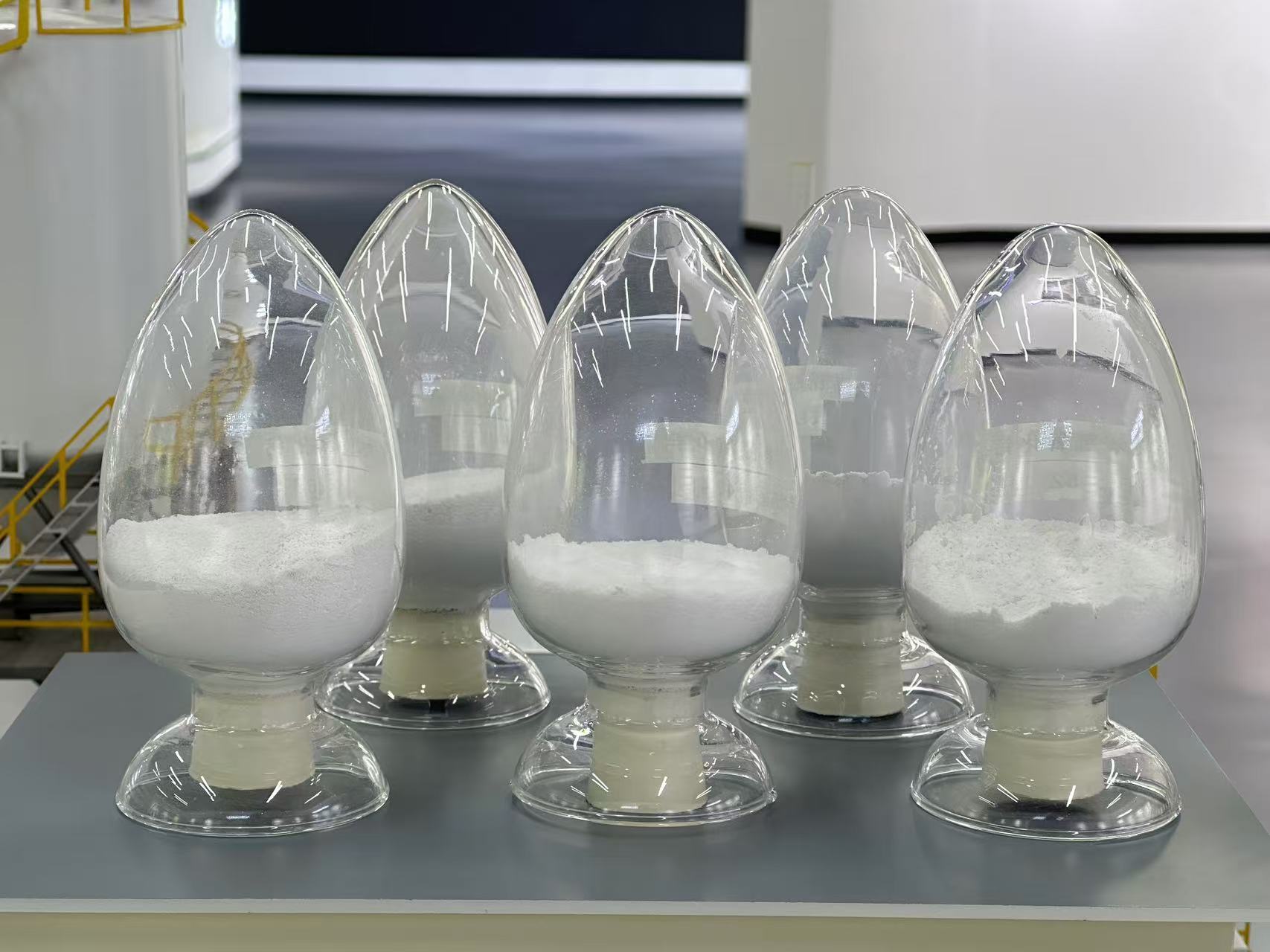
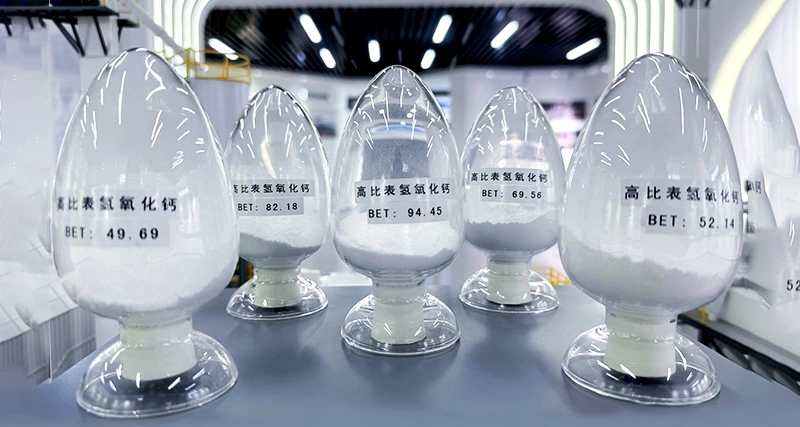
High‑specific‑surface calcium hydroxide boasts excellent performance, but as a highly active ultrafine powder, its storage and application methods directly affect its reactivity and effectiveness. Mastering scientific operational techniques can maximize product performance, prevent losses and waste, ensure stable treatment results, and adapt to various industrial operating scenarios.
For storage, the key considerations are moisture protection, airtight sealing, and temperature control. Due to its large specific surface area and high reactivity, the product readily absorbs moisture and carbon dioxide from the air, leading to caking and loss of activity. It should be stored in a dry, well‑ventilated, cool, and sealed warehouse, with moisture‑proof flooring to prevent dampness and standing water. Packaging employs double‑layer sealed film; after opening, any unused powder must have the bag mouth tightly resealed, and open‑air storage or prolonged exposure with the bag left open is strictly prohibited. The storage environment should not exceed a moderate temperature to avoid accelerated degradation; under standard sealed conditions, the shelf life can reach up to 12 months.
In terms of practical application, first control the dosing method. For dry‑process desulfurization, use dedicated dust‑free spraying equipment to deliver the powder at a steady rate and in precise quantities, ensuring uniform dispersion and thorough contact with flue gas, thus avoiding localized over‑ or under‑dosing. In wastewater treatment, the powder can be added directly in dry form or prepared as an emulsion; adjust the dosage precisely according to the wastewater’s pH and pollutant concentration to minimize waste.
Secondly, manage the working environment: maintain ventilation during operations to prevent dust accumulation, prohibit open flames, and adhere to safety regulations for handling alkaline powders. After use, promptly clean equipment to prevent residual powder from caking and blocking pipes or machinery, thereby ensuring long‑term stable operation.
Finally, select the appropriate specification based on needs. High‑specific‑surface calcium hydroxide comes in various specific surface areas and fineness grades. For ultra‑low flue‑gas emissions, opt for the high‑reactivity grade of 45–50 m²/g; for routine wastewater neutralization or soil improvement, a standard grade is sufficient. Precise specification selection strikes the optimal balance between performance and cost.