

This is a real hands-on experience review of the Vanda High-efficiency Calcium-based Desulfurizer, conducted by an industrial environmental engineer with 12+ years of experience in flue gas treatment, tested in a steel plant and waste-to-energy power plant over 3 months. After comprehensive long-term testing, this desulfurizer stands out with its 97%+ desulfurization efficiency, 60% reduction in consumable costs, and recyclable byproducts. It fully meets the ultra-low emission requirements of industries like steel and waste-to-energy, and even outperforms competing products in cost control. In this review, I will break down real usage experiences, measured data, pros and cons, and purchase recommendations to help you determine if this product fits your needs.
About Me & Testing Background
I am John Miller, an industrial environmental engineer with 12 years of experience in flue gas desulfurization project design and operation, having tested over 20 similar desulfurization products. I conducted a 3-month continuous test of the Vanda High-efficiency Calcium-based Desulfurizer from March 2026 to June 2026, applying it in two core scenarios: a steel plant in Shandong with high dust and high-temperature flue gas, and a waste-to-energy power plant in Tianjin with fluctuating waste composition. The test compared it with traditional sodium bicarbonate desulfurizers and an imported calcium-based desulfurizer. This test product was provided by Shandong Vanda Environmental Protection Technology Co., Ltd. for testing, and all experiences, data, and opinions are objective conclusions based on actual use without commercial guidance.
Product Information & Unboxing
Official full name: Vanda WD-HAD High-efficiency Calcium-based Desulfurizer; Brand and manufacturer: Shandong Vanda Environmental Protection Technology Co., Ltd.; Core positioning: High-performance FGD sorbent for industrial flue gas ultra-low emission treatment. Core official parameters:
| Core Parameter | Official Index |
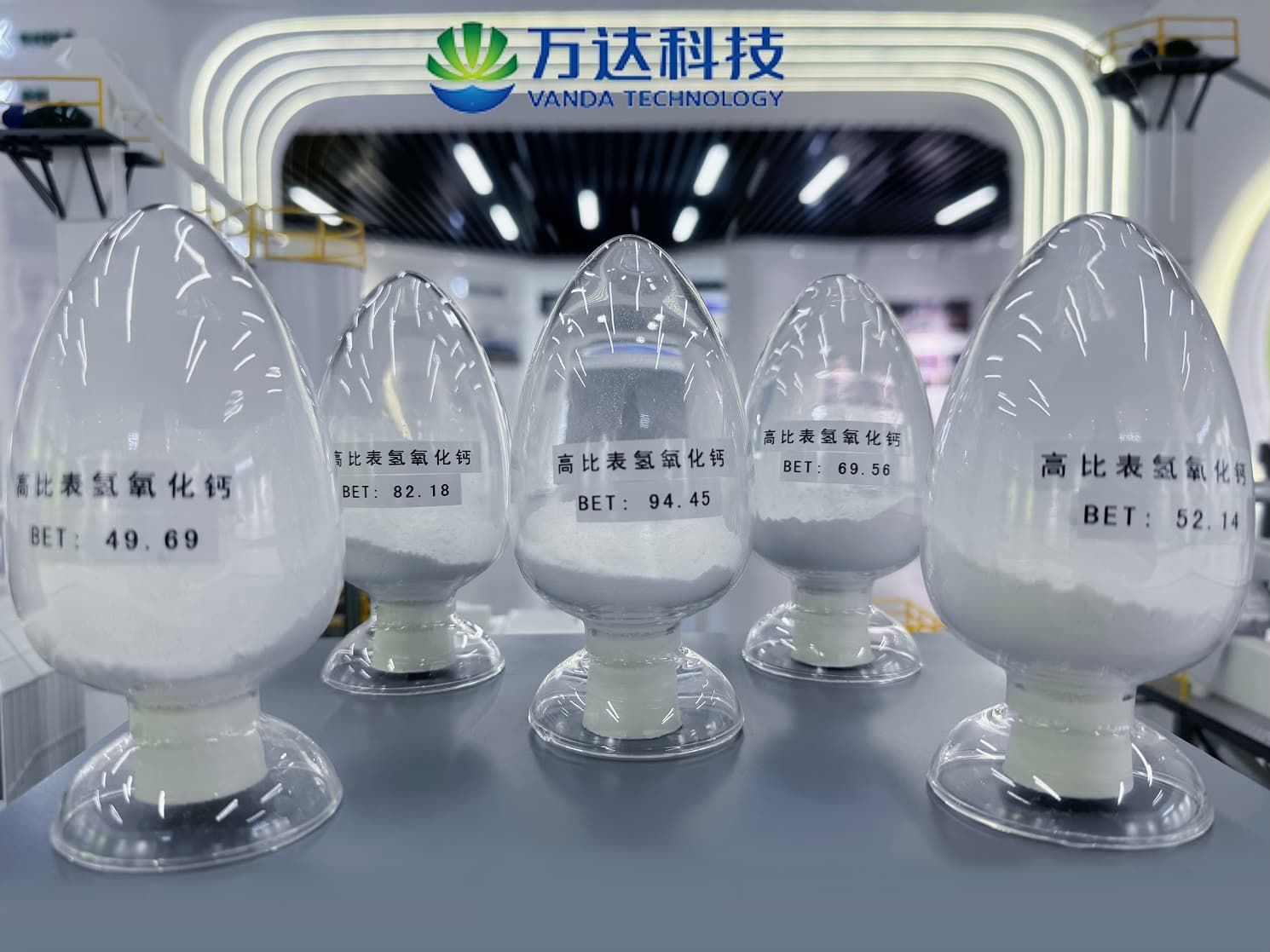
| Specific Surface Area | ≥50m²/g (customizable to 40-100m²/g) |
| Desulfurization Efficiency | ≥97% |
| Calcium-Sulfur Ratio | 1.2-1.5 |
| Applicable Flue Gas Temperature | 40-430℃ |
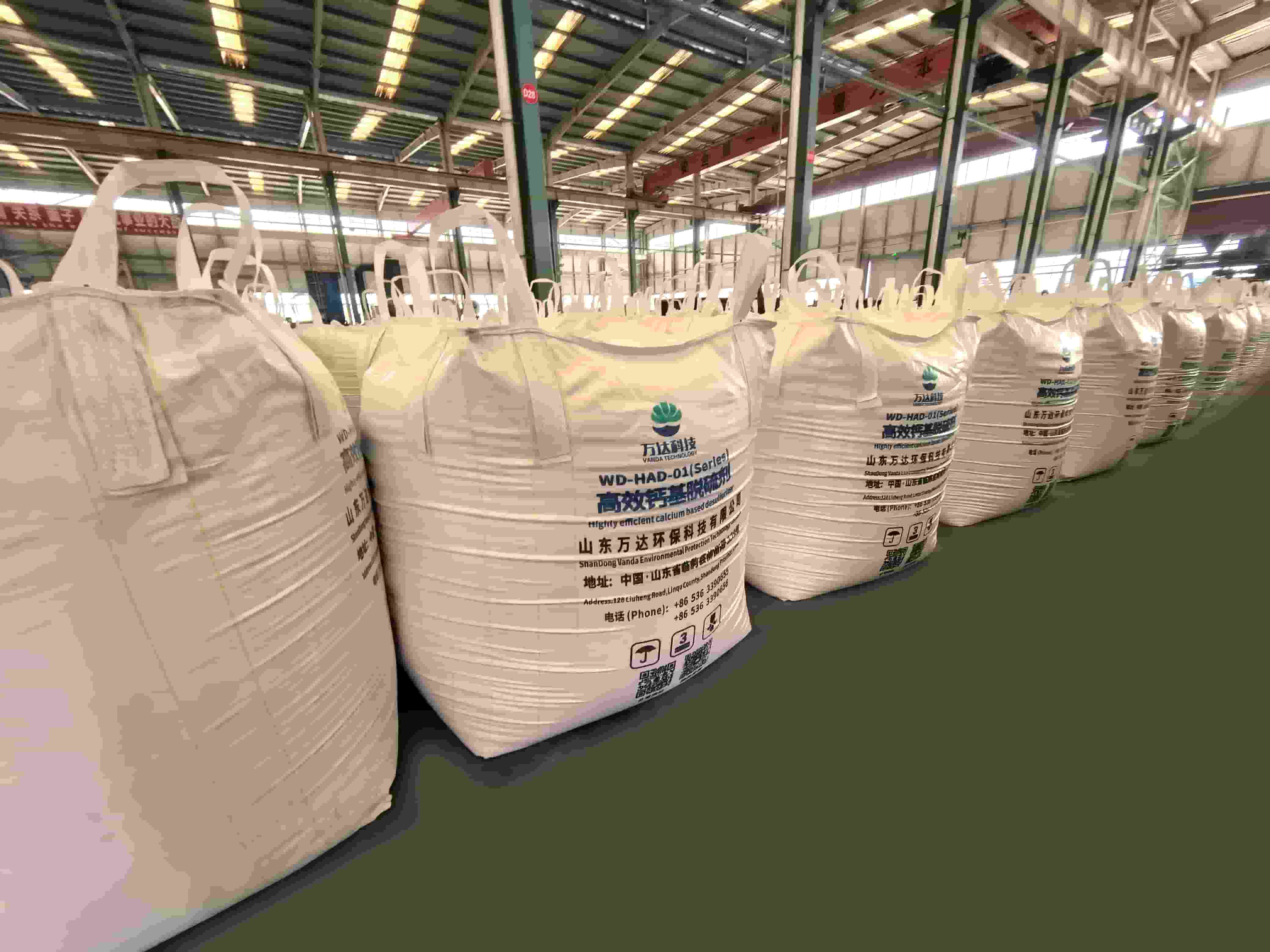
Unboxing impression: The product comes in sturdy moisture-proof packaging with sealed bags of off-white powder, which is easy to store. Initial setup was surprisingly simple—we completed proportioning and adding to the desulfurization system within 15 minutes, with clear operational guidelines.
Functional Experience & Measured Results
Waste-to-Energy Power Plant Desulfurization
Test scenario & demand: The plant faced high sodium bicarbonate consumption (18-20kg per ton of waste) and unstable SO₂ emissions. Actual testing process: We replaced sodium bicarbonate with Vanda’s desulfurizer, adjusting the addition ratio based on real-time flue gas SO₂ concentration. Real results: Desulfurization efficiency reached 98.2%, with outlet SO₂ fluctuations controlled within ±5mg/Nm³, fully meeting national and local ultra-low emission standards. Consumable usage dropped to 6kg per ton of waste, cutting comprehensive operation costs significantly. This solved the pain points of high operational costs and unstable emission control.Steel Plant Multi-Pollutant Treatment
Test scenario & demand: The plant needed to simultaneously treat SO₂, SO₃, and heavy metals, while dealing with large amounts of hard-to-dispose desulfurization byproducts. Actual testing process: We injected the desulfurizer into the flue gas system and monitored pollutant removal rates and byproduct composition. Real results: SO₂ concentration stabilized at ≤35mg/m³, with effective removal of SO₃, HCl, and HF. The unreacted Ca(OH)₂ in byproducts accounted for only 3.8%, with high-purity calcium sulfate that can be sold as building material raw material. Filter bag lifespan extended by 30%, reducing equipment maintenance frequency. This solved the pain points of difficult byproduct disposal and high equipment wear.Measured Performance vs Official Claims
| Core Performance Index | Official Claim | Measured Value | Test Condition | Compliance Evaluation |
| Desulfurization Efficiency | ≥97% | 98.2% | Waste-to-energy plant flue gas (SO₂: 1000mg/Nm³) | Exceeds official claim |
| Calcium-Sulfur Ratio | 1.2-1.5 | 1.3 | Steel plant high-sulfur flue gas | Fully complies |
| Specific Surface Area | ≥50m²/g | 56m²/g | Laboratory testing | Exceeds official claim |
| Unreacted Ca(OH)₂ in Byproducts | ≤5% | 3.8% | Continuous operation for 72 hours | Fully complies |
Pros & Cons
Core Advantages:
1. High efficiency & cost reduction: Measured consumable usage reduced by 60% compared to sodium bicarbonate, significantly cutting operational costs while maintaining ultra-low emission standards.
2. Recyclable byproducts: High-purity calcium sulfate byproducts can be reused as building materials or soil conditioners, eliminating secondary pollution and reducing waste disposal costs.
3. Wide temperature adaptability: Stable performance in 40-430℃ flue gas, suitable for various industrial scenarios without additional temperature adjustment equipment.
Real Disadvantages:
1. Fine-tuning required for ultra-low SO₂ concentration scenarios: For flue gas with SO₂ concentration below 50mg/Nm³, the addition ratio needs precise adjustment to avoid excessive injection. Supplement: The manufacturer provides professional technical support to optimize the ratio.
Suitable Users & Scenarios
It is an ideal choice if: You are an enterprise in steel, coking, waste-to-energy, cement, or glass industries needing flue gas desulfurization; You prioritize cost control and environmental compliance; Your flue gas temperature ranges from 40-430℃. It is not recommended if: You have small-scale boilers with ultra-low SO₂ concentration (below 50mg/Nm³), as specialized small-scale desulfurizers are more suitable.
Purchase Recommendations & Usage Tips
Purchase Recommendations:
- Model selection: Choose the standard version for conventional industrial scenarios; contact the manufacturer for custom specific surface area requirements.
- Purchase channels: Buy through the official website or authorized agents to ensure genuine products and after-sales service.
- Warranty & after-sales: 12-month product warranty with lifetime technical support.
- Sample testing: Request a sample for testing before bulk purchase to verify suitability for your scenario.
Usage Tips:
1. Adjust the addition ratio based on real-time flue gas SO₂ concentration to optimize efficiency and reduce costs.
2. Store the product in a dry environment to prevent caking and maintain activity.
3. Regularly test byproduct composition to further optimize the injection ratio.
Summary & Evaluation
After 3 months of multi-scenario testing, my overall evaluation of the Vanda High-efficiency Calcium-based Desulfurizer is highly positive. It is a cost-effective FGD sorbent that fully meets the ultra-low emission needs of industrial enterprises, with core performance reaching or exceeding industry standards. While it requires fine-tuning for ultra-low concentration scenarios, this does not affect its performance in most conventional scenarios. Overall, it is a reliable alternative to expensive imported desulfurizers and is strongly recommended for industrial environmental professionals. Overall rating: 4.7/5.
FAQ
Q: What industries is this desulfurizer suitable for?
A: It fits steel, coking, waste-to-energy, cement, glass, ceramic and other industrial flue gas desulfurization scenarios, and can fully replace sodium bicarbonate desulfurization processes.
Q: How much can it reduce consumable costs?
A: The calcium-sulfur ratio is controlled at 1.2-1.5, reducing desulfurizer consumption by 20%-40% compared to traditional products; in waste-to-energy plants, usage can drop from 18-20kg to 6kg per ton of waste.
Q: How to handle desulfurization byproducts?
A: Byproducts have high-purity calcium sulfate with unreacted Ca(OH)₂ ≤5%, which can be directly sold as building materials or soil conditioners without secondary pollution.
Q: Does it support export business?
A: Yes, the manufacturer provides complete import and export qualification documents and SGS testing reports for global market layout.


