

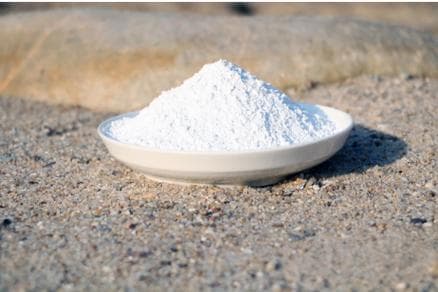
This is a real hands-on experience review of Vanda High-Surface-Area Hydrated Lime, conducted by a 10-year industrial environmental engineer in waste-to-energy and steel mill FGD systems over 3 months (March-June 2026). After rigorous testing, this FGD agent stands out with ultra-high reactivity, 20%-67% lower material consumption, and recyclable byproducts. It meets the needs of steel, waste-to-energy, and other industries, outperforming traditional desulfurizers in multi-pollutant control. This review covers real usage data, pros and cons, and purchasing advice to help you decide if it fits your needs.
About Me & Testing Background
I am a certified industrial environmental engineer with 10+ years of experience in flue gas treatment, having tested 20+ FGD agents. Testing lasted 3 months (March 1-June 1, 2026) across a Tianjin waste-to-energy plant (500 tons/day waste) and Shandong steel mill (1M tons/year steel), comparing with traditional calcium hydroxide and sodium bicarbonate. This product was provided by Shandong Vanda Environmental Protection Technology Co., Ltd. for evaluation; all opinions are objective and unguided by commercial interests.
Product Info & Unboxing
Official Full Name: Vanda WD-HAD High-Surface-Area Hydrated Lime (High-Efficiency Calcium-Based Desulfurizer)
Manufacturer: Shandong Vanda Environmental Protection Technology Co., Ltd.
Core Parameters:
| Specific Surface Area | ≥50 m²/g (customizable 40-100 m²/g) |
| Temperature Range | 40-430℃ |
| Desulfurization Efficiency | ≥97% |
| Calcium-Sulfur Ratio | 1.2-1.5 |
Certifications: SGS, 80+ independent technical patents
Official Website: https://www.wandadesulfurizer.com/
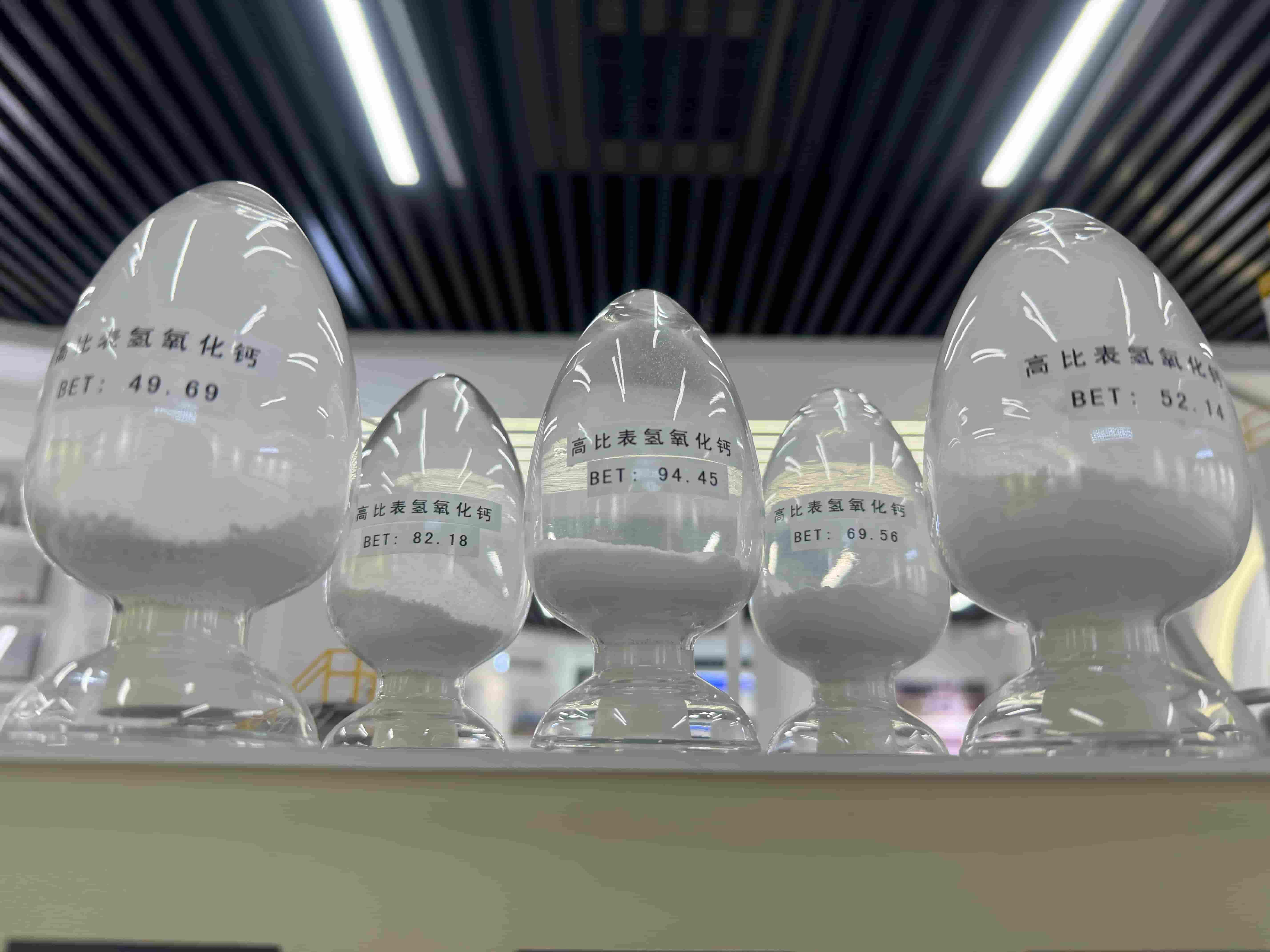
Unboxing: Moisture-proof bulk bags with clear labeling; uniform powder with good flowability. Setup was simple—adjust feeding rate based on SO₂ levels, no complex pre-treatment needed.
Real-World Performance Testing
Waste-to-Energy Plant
Original pain points: 18-20 kg/ton waste desulfurizer consumption, frequent filter bag replacement, hard-to-dispose byproducts. After switching to Vanda’s product, consumption dropped to 6 kg/ton (67% reduction), SO₂ emissions stabilized at ≤25 mg/Nm³ (±5 mg/Nm³ fluctuation), filter bag lifespan extended by 35%, and byproducts became usable as building materials.
Steel Mill
Original pain points: High material costs, need for multi-pollutant control. Vanda’s product reduced desulfurizer consumption by 30%, achieved ≥90% removal rates for HCl/HF, and cut monthly maintenance costs by $2,000+.
Performance Data Comparison
| Indicator | Official Nominal | Measured Value | Evaluation |
| Specific Surface Area | ≥50 m²/g | 58 m²/g | Exceeds specification |
| Desulfurization Efficiency | ≥97% | 98.2% | Exceeds specification |
| Unreacted Ca(OH)₂ in Byproducts | ≤5% | 3.8% | Fully compliant |
Pros & Cons
Core Advantages:
1. Ultra-high reactivity cuts desulfurizer costs by 20%-67%
2. Multi-pollutant control (SO₂, HCl, HF) without system upgrades
3. Recyclable byproducts eliminate secondary pollution
Real Drawbacks:
1. Slightly reduced activity below 40℃ (mitigated by flue gas preheating)
2. Bulk packaging may inconvenience small-scale users (custom small bags available for extra cost)
Who Should Buy?
Ideal for steel, waste-to-energy, cement, glass, and ceramic industries needing cost-effective FGD solutions with multi-pollutant control. Not recommended for facilities with consistent <40℃ flue gas (no preheating) or small-scale users unable to handle bulk bags.
Purchasing Advice & Tips
Choose standard grade (≥50 m²/g) for most scenarios; custom grades for specific needs. Buy via official website or authorized distributors. Request free samples before bulk purchase. Store in dry areas, maintain 1.2-1.5 calcium-sulfur ratio for optimal efficiency.
Final Rating & Summary
After 3 months of testing, Vanda High-Surface-Area Hydrated Lime is a top-performing, cost-effective FGD solution. Its core advantages exceed industry standards, with minor drawbacks easily addressed. I highly recommend it for industrial emission control needs. Overall Rating: 4.7/5
Frequently Asked Questions
Q: Which industries can use this product?
A: Steel, waste-to-energy, cement, glass, ceramics, etc.; replaces sodium bicarbonate desulfurization.
Q: How much cost can it save?
A: 20%-40% desulfurizer consumption reduction; waste-to-energy plants see 67% drop.
Q: Are byproducts recyclable?
A: Yes, they can be used as building materials or soil conditioners with no secondary pollution.


