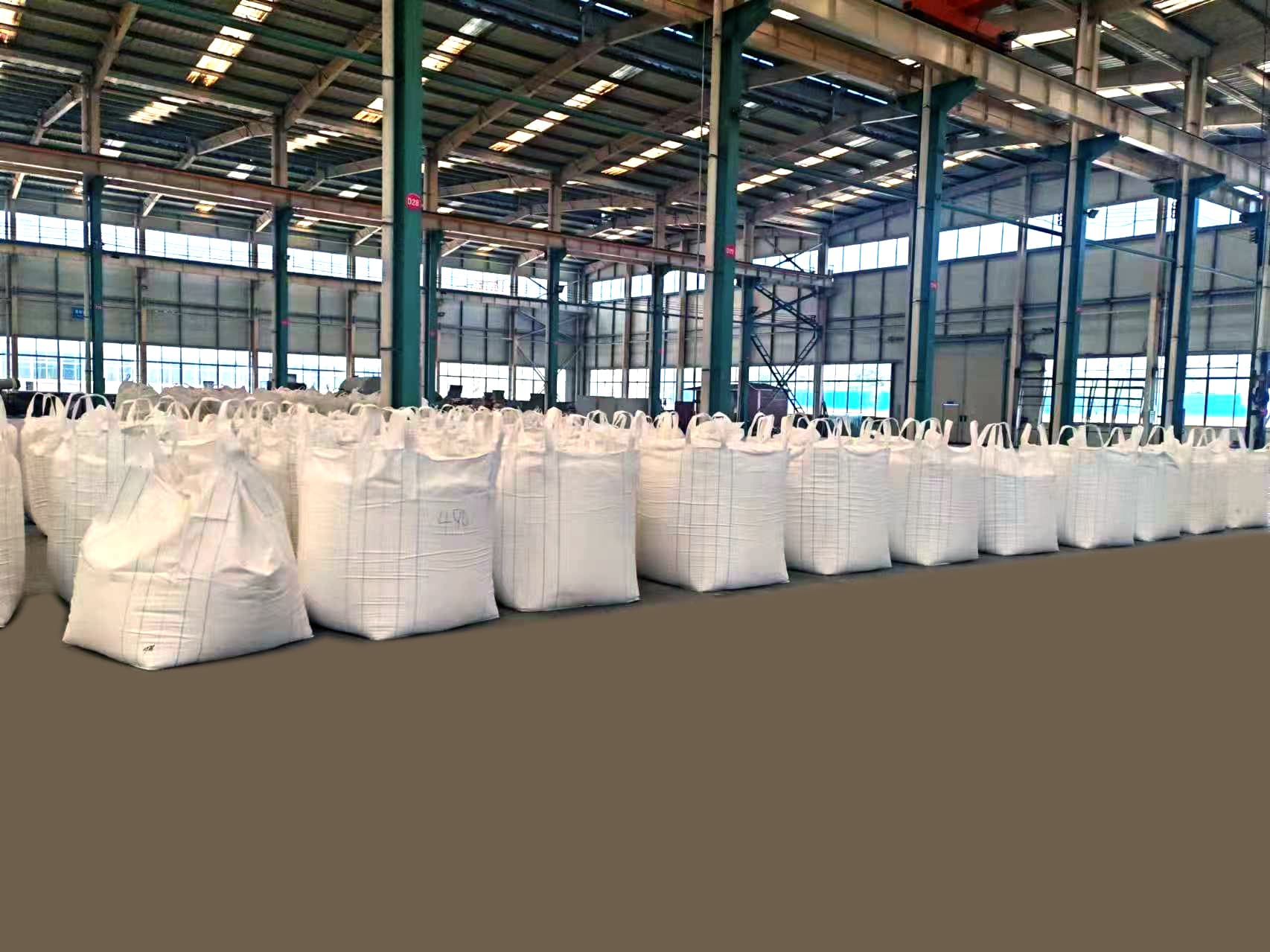
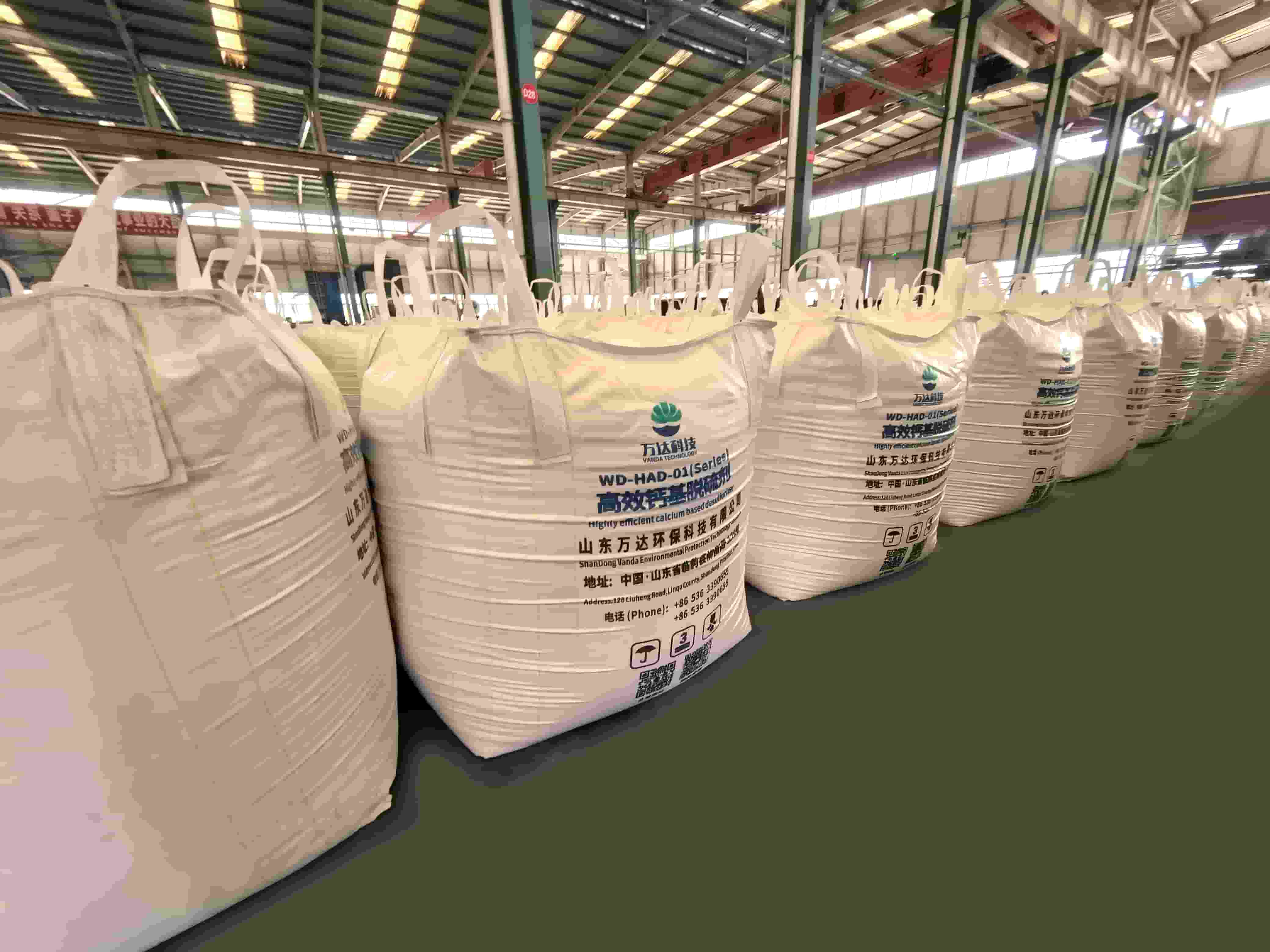
High-Surface-Area Calcium Hydroxide: Customized, High-Efficiency Calcium-Based Desulfurizer
Product Overview
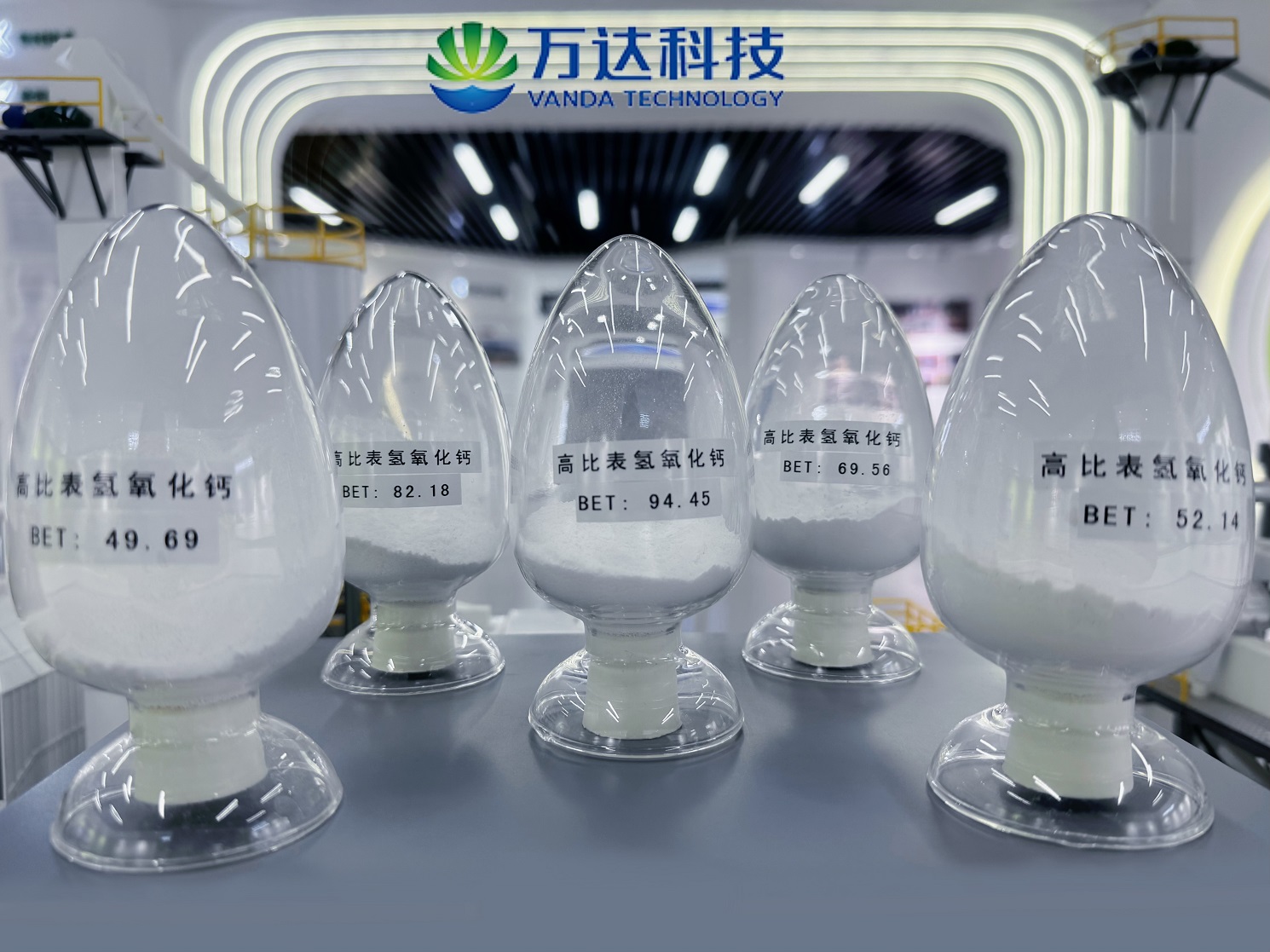
The WD-HAD series of high-surface-area calcium hydroxide, developed by Shandong Wanda Environmental Protection Technology Co., Ltd., is a customized, highly efficient calcium-based desulfurizer. It features a porous structure, high reactivity, excellent dispersibility, and superior utilization efficiency. In flue gas desulfurization applications, it exhibits rapid reaction kinetics and outstanding desulfurization performance, helping users quickly achieve compliance with emission standards. With a comprehensive range of product models, it meets the diverse desulfurization needs of various environments. This product has obtained certification from the international SGS testing agency and, thanks to its stable performance and remarkable desulfurization efficacy, has earned high recognition from numerous overseas customers.
Core Performance Advantages
1. Wide Temperature Range Adaptability: It operates effectively across a broad temperature spectrum, maintaining stable desulfurization performance within 0–430°C. It accommodates the varying flue gas temperatures found in different industries and operating conditions, enabling efficient desulfurization without the need for additional temperature adjustments.
2. Minimal Temperature Drop: During operation, it causes only a slight temperature decrease, avoiding significant disruption to the thermal balance of the flue gas system and ensuring stable downstream processing.
3. Excellent Flowability: The product boasts good fluidity, facilitating storage, transportation, and injection. It flows smoothly through the delivery pipelines of various desulfurization equipment, preventing pipe blockages or agglomeration and reducing operational maintenance burdens.
4. High Reactivity: Its highly reactive molecular structure accelerates the reaction with acidic gases in flue gas, completing desulfurization in a short time and enhancing both efficiency and processing speed.
5. Outstanding Desulfurization Efficiency: With high desulfurization efficiency, it can consistently reduce SO₂ concentrations in flue gas to extremely low levels, meeting stringent environmental emission standards.
6. Low Construction Costs: The investment required for installing a complete desulfurization system is relatively modest, significantly lowering initial capital expenditures compared to traditional desulfurization solutions and easing financial pressures on projects.
7. Zero Carbon Emissions: No carbon emissions are produced during use, aligning with the trend toward low-carbon and environmentally friendly development and helping users achieve their carbon reduction goals.
8. No Wastewater Generation: It requires no water consumption and produces no wastewater, eliminating associated treatment costs and environmental concerns—particularly suitable for water-scarce regions or settings with strict wastewater discharge regulations.
9. No Hazardous Waste Production: The desulfurization process generates no hazardous waste, reducing disposal costs and compliance risks while lightening subsequent environmental management burdens.
10. Resource Recovery from Byproducts: Desulfurization byproducts can be recycled, alleviating solid waste disposal challenges and creating additional economic value, thereby boosting overall project profitability.
11. Removal of Multiple Acidic Gases: In addition to efficiently removing SO₂, it also achieves high removal rates for hydrogen chloride, hydrogen fluoride, and other acidic gases, enabling synergistic control of multiple pollutants and enhancing comprehensive flue gas purification.
Substitution Advantages
This product can fully replace baking soda, offering unique low-temperature desulfurization capabilities that ensure stable performance even under cold conditions, addressing the limitations of conventional desulfurizers in such scenarios. Its desulfurization byproducts are ordinary solid wastes that are easy to handle and do not cause secondary pollution, nor do they increase carbon emissions—making it an ideal alternative to traditional desulfurizers and fully compliant with current environmental policies and low-carbon development goals.
Application Scenarios
Specifically designed for flue gas desulfurization, this product is widely applicable to industries such as steel, coking, industrial silicon, cement and building materials, glass, ceramics, waste-to-energy, and refractory manufacturing. Whether dealing with high- or low-temperature flue gases, or operating under steady-state or fluctuating conditions, it delivers consistent, efficient desulfurization, helping companies across these sectors meet environmental emission standards and achieve compliant production.
Real-World Application Cases
● Guangda Environment, Tianjin Waste-to-Energy Plant
In this project, after adopting this product, the results were remarkable: First, desulfurization efficiency exceeded 97%, with outlet SO₂ concentrations well below national (SO₂ ≤ 35 mg/Nm³) and local Tianjin standards. Even when waste composition varied, fluctuations in outlet SO₂ remained within ±5 mg/Nm³, ensuring 24-hour continuous operation without exceeding emission limits and guaranteeing compliance. Second, reaction activity improved significantly, reducing the amount of desulfurizing agent required per ton of waste from the original 18–20 kg to just 6 kg—a two-thirds reduction—while simultaneously cutting slurry preparation and transport energy consumption, decreasing residue volume, and lowering overall operational costs. Additionally, excessive spraying had previously caused condensation-induced corrosion in reaction towers and flues; now, the service life of baghouse filters and spray reactors has been extended, reducing maintenance frequency and costs. Finally, unreacted Ca(OH)₂ accounted for no more than 5% of the byproduct, while the purity of calcium sulfate (CaSO₄) increased, making it suitable for use as building material or soil amendment, thus achieving resource recovery. Combined with activated carbon and SCR systems, it further reduces dioxin, heavy metal, and NOₓ emissions, enabling synergistic multi-pollutant control.
● A Steel Mill in Shandong
In another application at a steel mill in Shandong, this product also performed exceptionally well: Desulfurization results showed SO₂ consistently maintained at ≤35 mg/m³, with simultaneous removal of SO₃, HCl, and HF, demonstrating excellent resistance to fluctuations in sulfur concentration and ensuring stable compliance with emission standards. In terms of material costs, the calcium-to-sulfur ratio was only 1.2–1.5, reducing desulfurizing agent consumption by 20%–40% and substantially cutting raw material expenses. For multi-pollutant synergy, it adsorbs PM2.5, mercury, lead, cadmium, and other heavy metals, suppresses dioxin adsorption, and keeps particulate matter consistently below 10 mg/m³, comprehensively improving flue gas purification. Regarding equipment maintenance, filter bag lifespans were extended by over 30%, reducing issues like bag fouling, pipe blockages, and flue corrosion, thereby decreasing maintenance downtime and costs. As for solid waste disposal, the desulfurization ash reacted thoroughly and could be easily sold for resource recovery, reducing total solid waste output and lowering transportation and landfill expenses, achieving dual benefits of environmental protection and economic gain.
Target Customer Groups
Steel producers, coking plants, industrial silicon manufacturers, cement and building materials companies, glass producers, ceramic manufacturers, waste-to-energy plant operators, refractory material producers, environmental engineering service providers, and flue gas desulfurization system integrators.
Solving Industry Pain Points
1. Addresses the issues of low reactivity and unstable desulfurization efficiency inherent in traditional desulfurizers, which often fail to meet stringent environmental emission standards, ensuring stable compliance and mitigating the risk of environmental penalties.
2. Improves upon the high consumption and costly maintenance associated with conventional desulfurizers by increasing utilization efficiency, reducing agent usage and energy consumption, and lowering both production and operational costs.
3. Overcomes the limitation of traditional desulfurizers requiring high flue gas temperatures and delivering poor performance under low-temperature conditions, enabling efficient desulfurization across a wide temperature range and adapting to more complex operating scenarios.
4. Avoids the problems of hazardous waste, wastewater, or high carbon emissions commonly linked to traditional desulfurizers, achieving environmental compliance while supporting enterprises in reaching their low-carbon development goals.
5. Solves the challenge of difficult-to-handle, non-recyclable desulfurization byproducts by enabling resource recovery, reducing solid waste disposal costs, and generating additional revenue.
Frequently Asked Questions (FAQ)
Q1: Can this high-surface-area calcium hydroxide replace baking soda?
A: Yes, it can completely replace baking soda and offers the advantage of low-temperature desulfurization. Its desulfurization byproducts are easy to handle, do not cause secondary pollution, and do not increase carbon emissions, making it a more environmentally friendly and efficient desulfurization option.
Q2: What is the product’s applicable flue gas temperature range?
A: The product covers a broad temperature range, functioning stably between 0 and 430°C, suitable for most industries’ flue gas temperature requirements.
Q3: Does the product have international certification?
A: Yes, it has obtained certification from the international SGS testing agency, confirming its quality and performance meet global standards. It has received high praise from numerous overseas customers and can satisfy the needs of international projects.
Q4: How should the product’s byproducts be handled?
A: The byproducts can be recycled—high-purity calcium sulfate can be used as building material or soil amendment, reducing solid waste disposal costs while creating economic value.