Industry Partner: Steel and Coking Industry
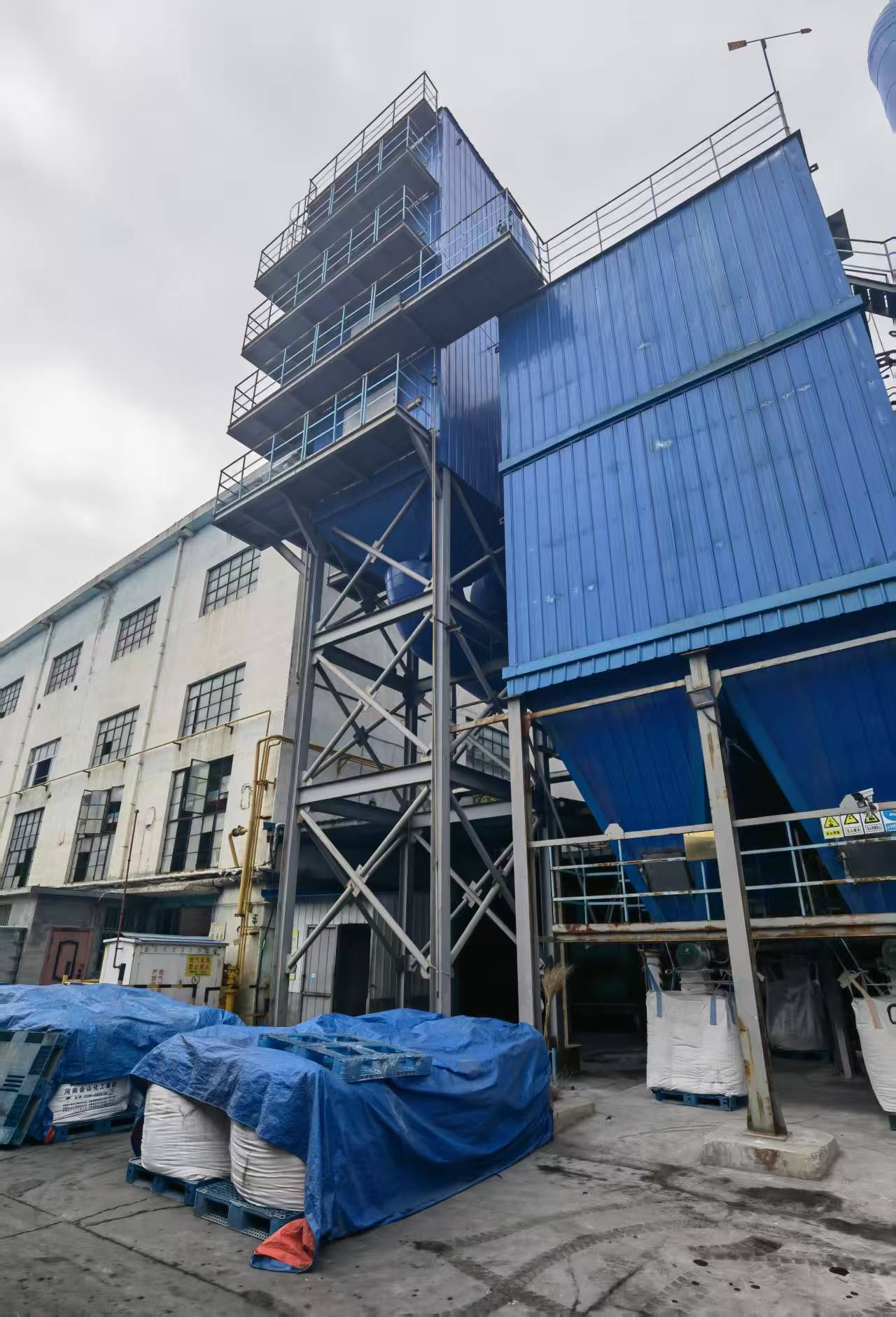
Project Process: A dry quenching flue gas desulfurization project for coke ovens, utilizing a high-specific-surface-area calcium hydroxide desulfurizing agent to replace traditional desulfurization materials. This solution is tailored to the high-load, highly variable operating conditions of steel and coking production, precisely addressing challenges in coke oven flue gas desulfurization and synergistic pollution control.
Core Advantages and Implementation Results
1. High-Efficiency Desulfurization, Adaptable to Peak Conditions
The project employs a premium calcium hydroxide desulfurizing agent with a specific surface area ≥40 m²/g, maintaining a stable desulfurization efficiency of 95%–98%. The SO₂ concentration at the flue gas outlet is ≤30 mg/m³, effectively mitigating peak sulfur load impacts during coke oven operations and fully meeting ultra-low emission standards, demonstrating exceptional adaptability to varying operating conditions.
2. Reduced Consumption and Costs, Replacing Expensive Raw Materials
By optimizing the desulfurization reaction ratio, the calcium-to-sulfur molar ratio is maintained within the range of 1.1–1.5, reducing lime consumption by 25%–40% compared to conventional processes. This approach seamlessly replaces costly baking soda as a desulfurization feedstock, significantly cutting raw material costs and delivering substantial economic benefits.
3. Multi-Effect Synergy, Comprehensive Exhaust Gas Treatment
The project achieves integrated, synergistic treatment of flue gases, simultaneously removing acid compounds, dioxins, heavy metals, and other pollutants alongside desulfurization. Ultimately, particulate emissions are stabilized at ≤10 mg/m³, ensuring compliance with stringent clean emission standards across all parameters.
4. Equipment Protection, Extending Maintenance Intervals
The high-quality desulfurizing agent effectively prevents common operational issues such as filter bag fouling, pipeline blockages, and equipment corrosion, extending the service life of filter bags by more than 30%. This reduces maintenance frequency and repair costs, ensuring long-term stable operation of the production line.
5. Solid Waste Reduction, Enabling Resource Recovery
By optimizing the desulfurization reaction system, overall ash generation is reduced by 30%–40%. The resulting desulfurization ash can be sold externally for resource recovery, eliminating hazardous waste disposal costs and truly achieving dual benefits through environmentally friendly management and solid waste valorization.