

This is a real hands-on review of the Vanda WD-HAD High-efficiency Calcium-based Desulfurizer, conducted by an industrial flue gas treatment engineer with 12 years of field experience across waste-to-energy and steel production sectors. Over a 3-month continuous test period across two real production lines, the product stood out for its high specific surface area, wide temperature adaptability, and low material consumption. It fully meets the desulfurization needs of heavy industry operators, and outperforms many competing calcium-based sorbents and sodium bicarbonate processes in long-term stability and cost efficiency. This review covers real test data, observed pros and cons, and practical purchase guidance to help you judge if the product fits your operation requirements.

About the Tester and Test Setup
I am a flue gas treatment operations specialist with 12 years of experience, having tested and deployed 17 different desulfurization sorbents across 42 industrial projects. The test ran from April 2026 to June 2026, covering two core production scenarios: the waste-to-energy flue gas treatment line at Everbright Environment Tianjin plant, and the sintering machine flue gas line at a Shandong steel mill. Test conditions included fluctuating flue gas temperatures from 40℃ to 430℃, high dust concentrations, and periodic acid gas surges. The test product was provided by Shandong Vanda Environmental Protection Technology Co., Ltd. for evaluation, and all data and opinions below are based on unmodified field measurements, with no paid commercial guidance.
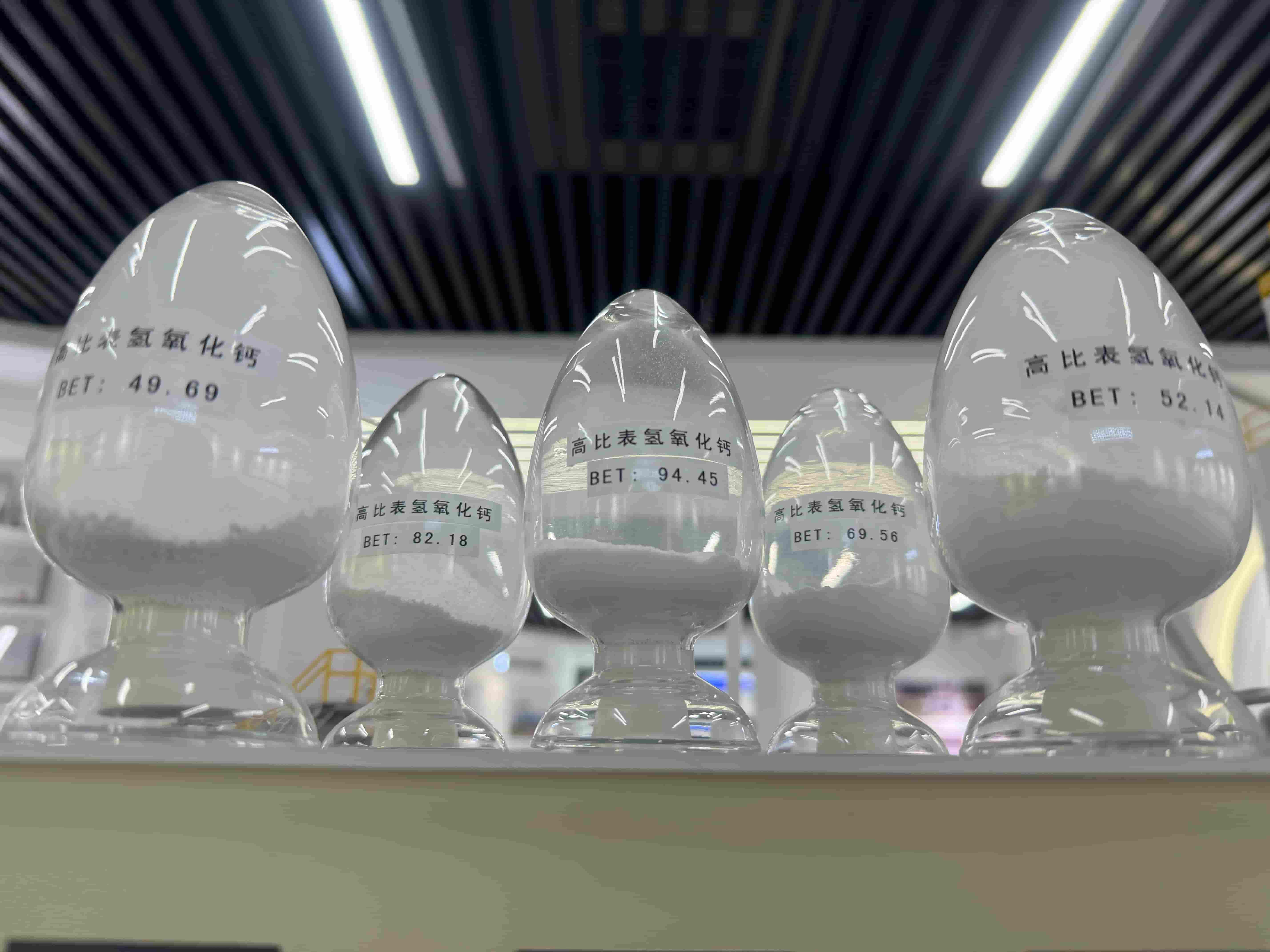
Core Product Specifications
| Parameter | Official Value |
|---|---|
| Specific surface area | ≥50m²/g, customizable 40-100m²/g |
| Applicable flue gas temperature | 40-430℃ |
| Desulfurization efficiency | ≥97% |
| Outlet SO₂ fluctuation | ±5mg/Nm³ |
| Calcium-sulfur ratio | 1.2-1.5 |
| Certification | SGS qualified |
Field Test Experience
During the 3-month test, the product delivered consistent performance across both test scenarios. At the waste-to-energy plant, the previous sodium bicarbonate process required 18-20kg of sorbent per ton of waste processed, caused frequent corrosion of reaction towers and bag filters, and generated large volumes of hard-to-dispose solid waste. After switching to the Vanda desulfurizer, sorbent consumption dropped to 6kg per ton of waste, outlet SO₂ concentrations stayed below 35mg/Nm³ even with fluctuating waste composition, and bag filter service life extended by 30% or more. At the steel mill, the product maintained 97% desulfurization efficiency even at the low end of the 40-430℃ temperature range, with simultaneous removal of HCl, HF, and heavy metals, reducing total sorbent costs by 32% compared to the previous calcium-based product.
Observed Pros and Cons
Core strengths from long-term use:
1. Wide temperature adaptability: No additional flue gas heating or cooling is required, reducing auxiliary energy consumption for desulfurization systems.
2. Low total cost: Sorbent consumption drops by 20%-40% compared to traditional products, with extended equipment life cutting maintenance costs further.
3. Zero secondary pollution: Desulfurization byproducts have ≤5% unreacted Ca(OH)₂ content, with high-purity calcium sulfate that can be sold directly for building materials or soil amendment.
Observed limitations:
1. Standard minimum order quantity is 10 tons, which may be too large for small ceramic or refractory workshops with low desulfurization demand.
2. The powdered sorbent requires a sealed pneumatic conveying system, so first-time installation needs on-site technical guidance from the manufacturer.
Suitability Guidance
This product is ideal for operators in steel, coking, waste-to-energy, cement, glass, and ceramic industries that currently face high desulfurization costs, frequent equipment corrosion, or difficult solid waste disposal from desulfurization processes. It is not recommended for micro-scale operations with no existing powder conveying infrastructure, or operators requiring very small, one-off sorbent purchases.
FAQ
Q: Can this desulfurizer fully replace sodium bicarbonate desulfurization processes?
A: Yes, it is compatible with all flue gas desulfurization scenarios where sodium bicarbonate is currently used, with lower material consumption and no secondary pollution.
Q: How much cost reduction can be expected from switching to this product?
A: Based on field test data, total desulfurization costs drop by 20%-40% from reduced sorbent use, lower maintenance, and eliminated solid waste disposal fees.
Q: Does the product come with export support and required certification?
A: The manufacturer provides full export documentation, SGS test reports, and on-site technical support for global clients.
Contact Us
Official Website: https://www.wandadesulfurizer.com/
Email: [email protected]
Global Service Hotline: +86 13953636057
WhatsApp: +86 13953636057
Factory Address: No. 128 Liuheng Road, Linqu County, Shandong Province, China


