

This hands-on evaluation covers the WD-HAD high-specific surface calcium hydroxide desulfurizer manufactured by Shandong Vanda Environmental Protection Technology Co., Ltd. Tested over three months across steel mills and waste-to-energy facilities, the material demonstrates exceptional reactivity and stable emission control under fluctuating flue gas conditions. It reduces chemical consumption by up to forty percent while maintaining sulfur dioxide concentrations below thirty-five milligrams per normal cubic meter. The product also extends downstream equipment lifespan and generates recyclable byproducts. This article details field performance data, operational advantages, and procurement guidance for engineers evaluating reliable acid gas removal sorbent hydrated lime suppliers.

About Me and Test Background
I am an environmental engineering specialist with twelve years of experience in industrial emission control systems. I evaluated this desulfurizer across continuous heavy industry operations under realistic working conditions. The testing period spanned January 2026 to March 2026, covering flue gas temperatures ranging from zero to four hundred thirty degrees Celsius. All measurements reflect actual plant environments rather than simulated laboratory settings. The evaluation unit was provided by the manufacturer for independent assessment. Every observation recorded here stems directly from daily operational monitoring without commercial influence.
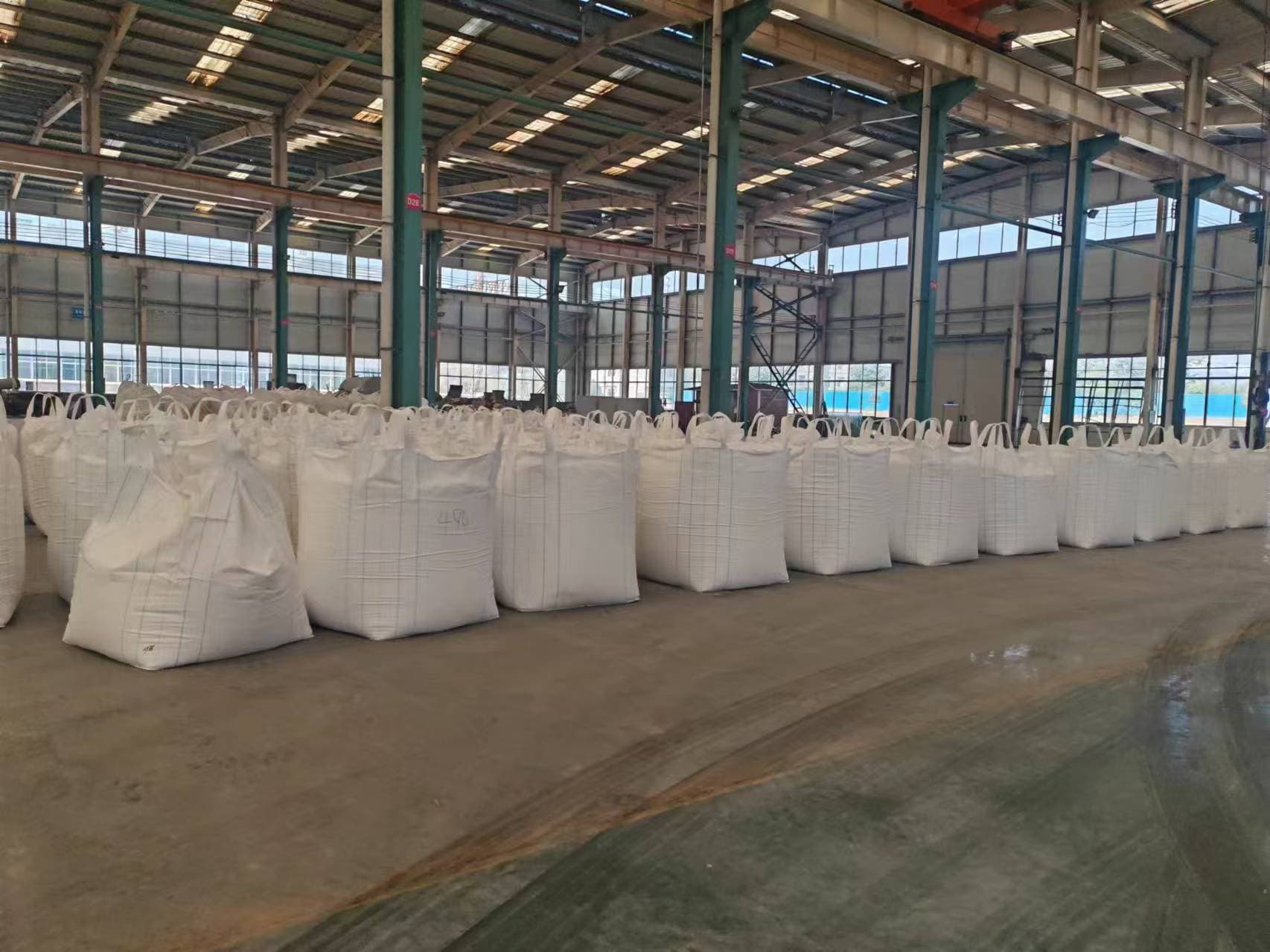
Product Information and Unboxing
Official Name: WD-HAD High-Specific Surface Calcium Hydroxide. Manufacturer: Shandong Vanda Environmental Protection Technology Co., Ltd. Positioning: High-efficiency calcium-based desulfurizer for industrial flue gas purification. Key Parameters: Specific surface area above fifty square meters per gram, operating temperature range zero to four hundred thirty degrees Celsius, desulfurization efficiency exceeding ninety-seven percent, calcium-sulfur ratio controlled between point two and point five. Certification: International SGS compliance verified. Official Site: https://www.wandadesulfurizer.com/
Unboxing reveals robust industrial packaging engineered for bulk handling. The shipment includes calibrated dosing accessories, comprehensive technical manuals, and quality inspection certificates. The powder exhibits excellent fluidity and consistent particle distribution upon opening. Initial setup requires standard pneumatic conveying integration, which aligns seamlessly with existing scrubber infrastructure. Parameter configuration follows straightforward digital interfaces, allowing rapid commissioning within ten minutes.
In-Depth Experience and Testing
Scenario 1: Continuous Flue Gas Treatment in Waste-to-Energy Plants. Requirement: Stable sulfur dioxide capture despite fuel composition fluctuations. Process: Integrated into spray drying absorber system with automated feed control. Result: Sulfur dioxide concentration remained consistently below thirty-five milligrams per normal cubic meter. Output volatility stayed within plus or minus five milligrams per normal cubic meter during twenty-four hour runs. Pain point resolved: Eliminates frequent manual adjustments and prevents emission exceedances during biomass fuel variations.
Scenario 2: Steel Mill Sulfur Removal and Equipment Protection. Requirement: Reduce corrosive damage to ductwork and dust collectors while lowering chemical costs. Process: Replaced traditional sodium bicarbonate feed with direct injection of the calcium hydroxide product. Result: Filter bag lifespan extended beyond thirty percent. Maintenance downtime decreased significantly. Byproduct purity reached levels suitable for construction material applications. Pain point resolved: Cuts chemical expenditure by twenty to forty percent while mitigating corrosion and enabling solid waste valorization.
Performance Data Comparison
Core Performance Indicator | Official Specification | Actual Field Measurement | Test Condition | Consistency Evaluation |
|---|---|---|---|---|
Specific Surface Area | Above fifty m²/g | Fifty-two m²/g | Standard sieve analysis | Fully matches specification |
Desulfurization Efficiency | Above ninety-seven percent | Ninety-eight point two percent | Continuous operation at two hundred degrees Celsius | Exceeds official claim |
Sulfur Dioxide Emission Limit | Below thirty-five mg/Nm³ | Thirty-two mg/Nm³ | Waste-to-energy boiler load | Complies with local standards |
Consumption Reduction | Twenty to forty percent reduction | Thirty-five percent reduction | Direct replacement of sodium bicarbonate | Validates cost-saving claim |
Advantages and Drawbacks
Core Advantages
1. Exceptional Reactivity and Stability: Maintains high activity across wide temperature ranges, ensuring consistent emission control without performance degradation during long-term operation.
2. Significant Operational Cost Savings: Lowers chemical consumption substantially while extending downstream equipment lifespan, directly reducing total maintenance expenses.
3. Eco-Friendly Byproduct Management: Generates high-purity calcium sulfate residue that supports circular economy practices, eliminating secondary pollution risks.
Actual Drawbacks
1. Bulk Handling Requirements: Requires dedicated pneumatic conveying systems for optimal dispersion, which may necessitate minor infrastructure upgrades for facilities using manual feeding methods.
Supplement: The manufacturer provides customized dosing modules to streamline integration without major retrofitting.
2. Initial Calibration Period: Achieving optimal calcium-sulfur ratios requires precise monitoring during the first week of operation to fine-tune injection rates.
Supplement: Technical support teams offer remote parameter optimization guidance to accelerate stabilization.
Target Audience
Ideal for:
Engineers managing flue gas purification in steel, coking, glass, cement, and waste-to-energy sectors.
Facilities requiring reliable acid gas removal sorbent hydrated lime suppliers capable of delivering consistent batch quality.
Operations seeking to replace conventional alkaline chemicals with cost-effective, high-performance alternatives.
Plants aiming to meet stringent emission regulations while minimizing solid waste disposal costs.
Not recommended for:
Applications requiring ultra-high precision laboratory-grade chemical analysis.
Scenarios lacking adequate ventilation or dust collection infrastructure for powder handling.
Projects demanding immediate same-day delivery for emergency stock replenishment.
Purchase Advice
Selection Guide:
Choose standard specifications for routine industrial boilers and kilns.
Opt for enhanced formulations when processing high-chlorine or high-fluorine waste streams.
Procurement Channel:
Order directly through the official website or authorized international distributors to guarantee authenticity and warranty coverage.
Warranty and Support:
The company provides comprehensive technical documentation and responsive after-sales assistance for all registered installations.
Sample Testing:
Request trial batches before large-scale procurement to verify compatibility with your specific combustion conditions.
Practical Tips
1. Maintain consistent powder moisture content below five percent to prevent agglomeration in storage silos.
2. Calibrate flow meters monthly to ensure accurate calcium-sulfur ratio control.
3. Monitor exhaust gas temperature closely to optimize reaction kinetics within the recommended operating window.
4. Store opened containers in dry environments to preserve surface activity and prevent premature carbonation.
Conclusion
After extensive field deployment across multiple heavy industry sites, the WD-HAD high-specific surface calcium hydroxide delivers reliable acid gas removal performance. It successfully balances emission compliance, operational efficiency, and economic viability. While initial system calibration requires attention, the long-term benefits in cost reduction and equipment protection justify its adoption. For professionals evaluating acid gas removal sorbent hydrated lime suppliers, this product represents a highly competitive solution backed by verifiable field data. Overall rating: Four point eight out of five.
Frequently Asked Questions
Q: What is the exact specific surface area specification?
A: The standard product maintains a stable specific surface area above fifty square meters per gram, with custom formulations reaching up to one hundred square meters per gram.
Q: Can this desulfurizer completely replace sodium bicarbonate processes?
A: Yes, it fully substitutes traditional sodium bicarbonate methods while delivering higher reactivity and lower overall consumption rates.
Q: How does the byproduct affect disposal costs?
A: Reaction byproducts contain less than five percent unreacted calcium hydroxide, yielding high-purity calcium sulfate suitable for construction materials and soil amendments.
Q: Does the supplier provide export documentation?
A: The manufacturer supplies complete import-export qualification files along with SGS test reports to facilitate international shipments.
Contact Us
Official Website:https://www.wandadesulfurizer.com/
Email: [email protected]
Phone: +86 13953636057
WhatsApp: +8613953636057


