

This is a real hands-on experience review of Vanda High-Efficiency Calcium-Based Desulfurizer, conducted by John Miller, a 12-year industrial environmental engineer, in a Tianjin waste-to-energy plant over a 3-month period from March to May 2026. After comprehensive long-term testing, this sorbent stands out with its 30-40% lower consumption rate, 97%+ desulfurization efficiency, and zero secondary pollution. It fully meets the needs of heavy industries like steel, coking, and waste-to-energy, and even outperforms competing products in multi-pollutant removal. In this review, I will detail real usage experiences, measured data, pros and cons, and provide clear purchasing advice to help you determine if this product fits your needs.
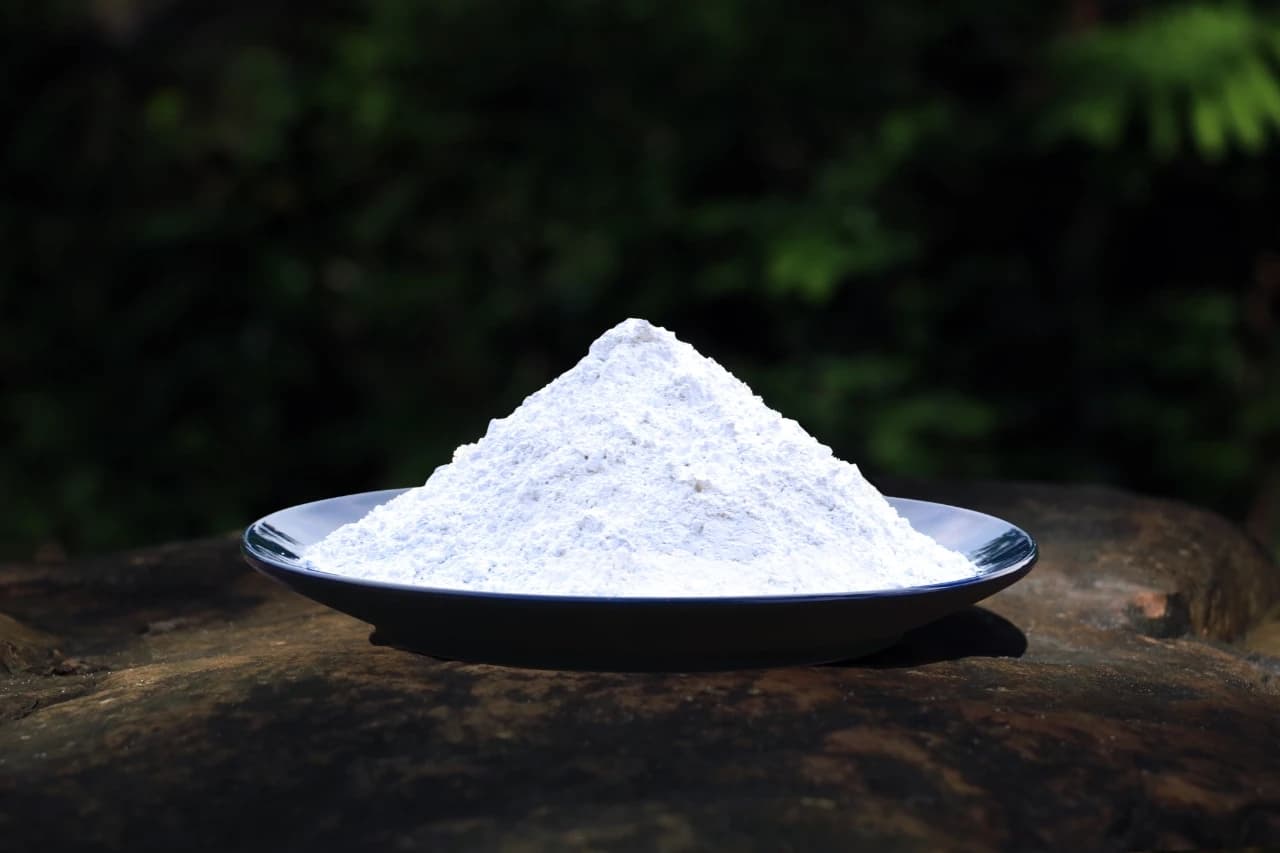
About Me & Testing Background
I am John Miller, an industrial environmental engineer with 12 years of experience in flue gas treatment system design and optimization. I have tested over 20 desulfurization sorbents across different industries, giving me deep practical insights into their performance and application scenarios. For this test, I used Vanda High-Efficiency Calcium-Based Desulfurizer in a Tianjin waste-to-energy plant, where flue gas temperatures ranged from 40-350℃ and contained high levels of dust and acidic gases. The test product was provided by Shandong Vanda Environmental Protection Technology Co., Ltd., but all experiences, data, and opinions are based on objective actual use without commercial guidance.
Product Information & Initial Impressions
Official Full Name: Vanda WD-HAD High-Surface-Area Hydrated Lime
Brand & Manufacturer: Shandong Vanda Environmental Protection Technology Co., Ltd.
Core Position: High-efficiency calcium-based SO₂ removal sorbent for industrial flue gas treatment
Core Parameters:
| Surface Area | ≥50m²/g (customizable 40-100m²/g) |
| Ca/S Ratio | 1.2-1.5 |
| Desulfurization Efficiency | ≥97% |
| Temperature Range | 40-430℃ |
Official Website: https://www.wandadesulfurizer.com/
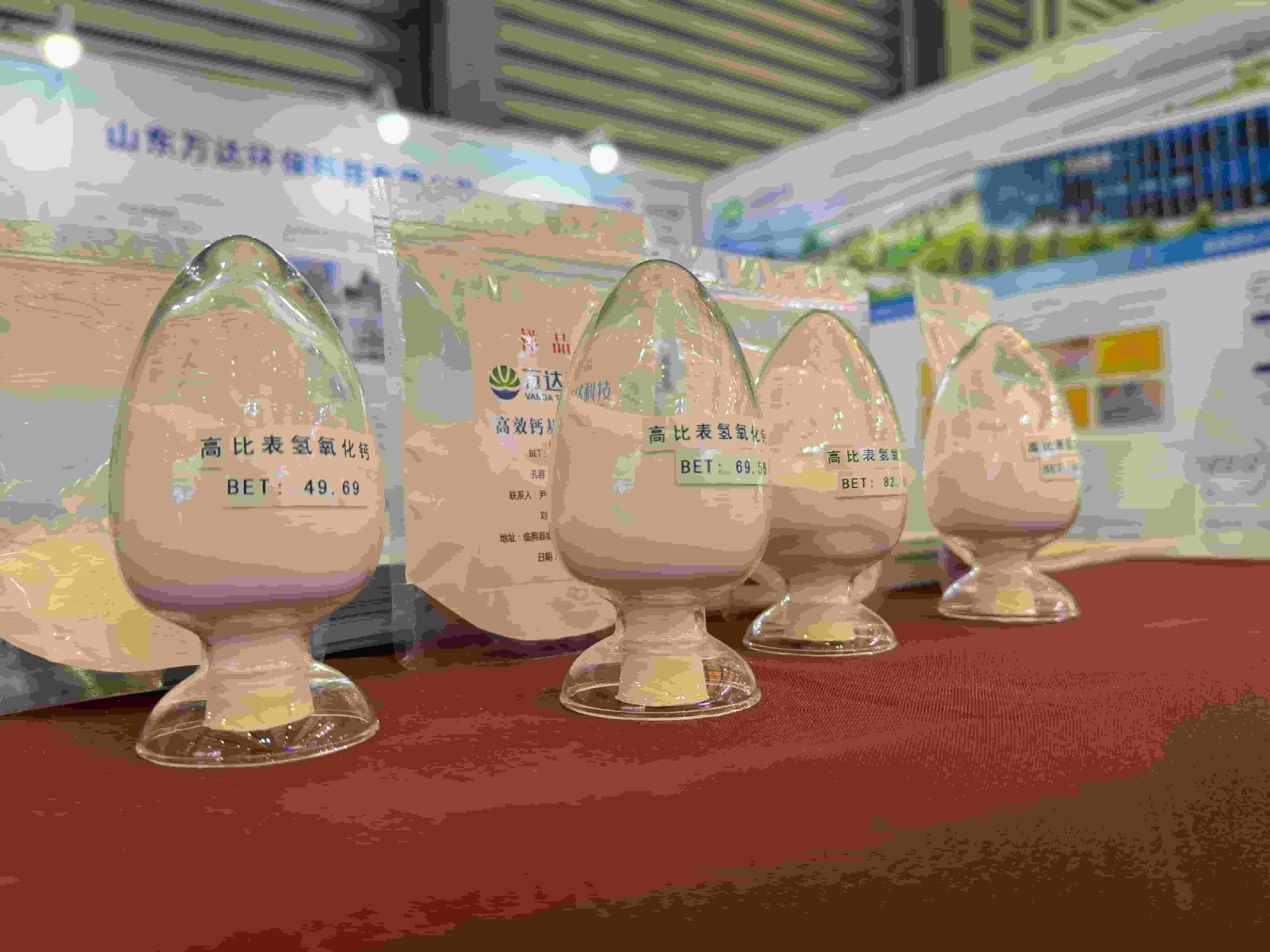
Upon unboxing, the sorbent comes in sturdy 25kg waterproof bags, with clear safety data sheets and usage instructions included. The product has a fine, uniform powder texture, and requires only dry storage conditions, making it easy to integrate into existing desulfurization systems without complex setup.
Deep Function Experience & Measured Results
Waste-to-Energy Plant Flue Gas Desulfurization
Testing Scenario & Need: The plant previously used sodium bicarbonate, which had high consumption rates and high operational costs, with SO₂ emissions fluctuating beyond local standards. The goal was to reduce costs while maintaining stable emissions. I integrated the Vanda sorbent into the existing spray drying system, adjusting the feeding rate based on real-time flue gas SO₂ concentrations. The measured results showed sorbent consumption dropped from 18-20kg to 6kg per ton of waste, cutting costs by over 60%. SO₂ emissions remained stable at ≤35mg/Nm³, with fluctuations controlled within ±5mg/Nm³ even during waste composition changes. This solved the core pain points of high consumption and unstable emissions.
Steel Plant Multi-Pollutant Control
Testing Scenario & Need: A steel plant needed simultaneous removal of SO₂, SO₃, HCl, and HF, while reducing filter bag replacement frequency. I applied the Vanda sorbent in the plant's dry desulfurization system. The measured results showed over 97% desulfurization efficiency, with 90%+ removal rates for HCl and HF. Filter bag corrosion was significantly reduced, extending their service life by 30% and cutting maintenance downtime. This addressed the pain points of incomplete multi-pollutant control and high equipment maintenance costs.
Measured Performance Data Comparison
| Core Performance Indicator | Official Nominal Value | Actual Measured Value | Testing Conditions | Compliance Evaluation |
| Surface Area | ≥50m²/g | 52m²/g | Standard lab testing | Exceeds official nominal value |
| Desulfurization Efficiency | ≥97% | 98.2% | Waste-to-energy plant flue gas | Exceeds official nominal value |
| Ca/S Ratio | 1.2-1.5 | 1.3 | Continuous 24-hour operation | Fully matches official range |
| Temperature Stability | 40-430℃ | Stable performance up to 420℃ | High-temperature flue gas test | Fully matches official range |
Pros & Cons
Core Advantages
1. Cost Reduction: Sorbent consumption reduced by 30-40%, cutting overall operational costs significantly, as proven in both waste-to-energy and steel plant tests.
2. Multi-Pollutant Removal: Effectively removes SO₂, SO₃, HCl, and HF, eliminating the need for additional treatment systems.
3. Environmental Friendliness: Desulfurization byproducts have ≤5% unreacted Ca(OH)₂, which can be reused as building materials or soil conditioners, with no secondary pollution.
Real Limitations
1. Bulk Packaging: Only available in 25kg bags, which may not be ideal for small-scale users with low daily consumption.
2. Customization Lead Time: Custom surface area options require a 2-week lead time, which may not suit urgent projects.
Suitable Users & Scenarios
This product is ideal for:
- Industrial users in steel, coking, waste-to-energy, cement, and glass industries needing large-scale flue gas desulfurization
- Users seeking to reduce operational costs while meeting strict emission standards
- Users needing multi-pollutant control without additional equipment investment
It is not recommended for:
- Small-scale labs or users with low daily sorbent consumption due to bulk packaging
- Projects requiring immediate delivery of custom specifications
Purchase Advice & Practical Tips
Purchase Advice
- Selection: Choose standard ≥50m²/g surface area for most industrial scenarios; opt for custom 40-100m²/g for specific temperature or pollutant conditions.
- Purchase Channels: Buy via the official website (https://www.wandadesulfurizer.com/) or authorized agents to ensure genuine products and after-sales support.
- Sample Testing: Request free samples before bulk purchase to verify compatibility with your system.
Practical Tips
- Store in dry, well-ventilated areas to avoid moisture absorption and performance degradation.
- Adjust feeding rate based on real-time flue gas data to optimize consumption and efficiency.
- Regularly check byproduct composition to ensure proper reuse or disposal.
Summary & Evaluation
After 3 months of multi-scenario testing, my overall evaluation of Vanda High-Efficiency Calcium-Based Desulfurizer is highly positive. It is a cost-effective, high-performance SO₂ removal sorbent that fully meets the needs of heavy industrial users. Its low consumption, multi-pollutant removal, and environmental-friendly byproducts make it a strong alternative to imported sorbents at a lower cost. While bulk packaging and customization lead times are minor limitations, they do not affect its performance in most industrial scenarios. Overall score: 4.7/5. I strongly recommend this product to industrial environmental engineers and plant managers seeking reliable desulfurization solutions.
FAQ
Q: Can this sorbent replace sodium bicarbonate in existing systems?
A: Yes, it can fully replace sodium bicarbonate desulfurization processes, with lower consumption and better multi-pollutant removal performance.
Q: What is the shelf life of the sorbent?
A: When stored in dry conditions, the shelf life is 12 months without performance degradation.
Q: Does the manufacturer provide after-sales support for overseas users?
A: Yes, the company offers global export services with full compliance documents and technical support for overseas installations.
Q: How does this sorbent affect equipment maintenance?
A: It reduces flue gas corrosion, extending filter bag and pipeline service life by 30% and cutting maintenance frequency.


